

.jpg)


.svg)
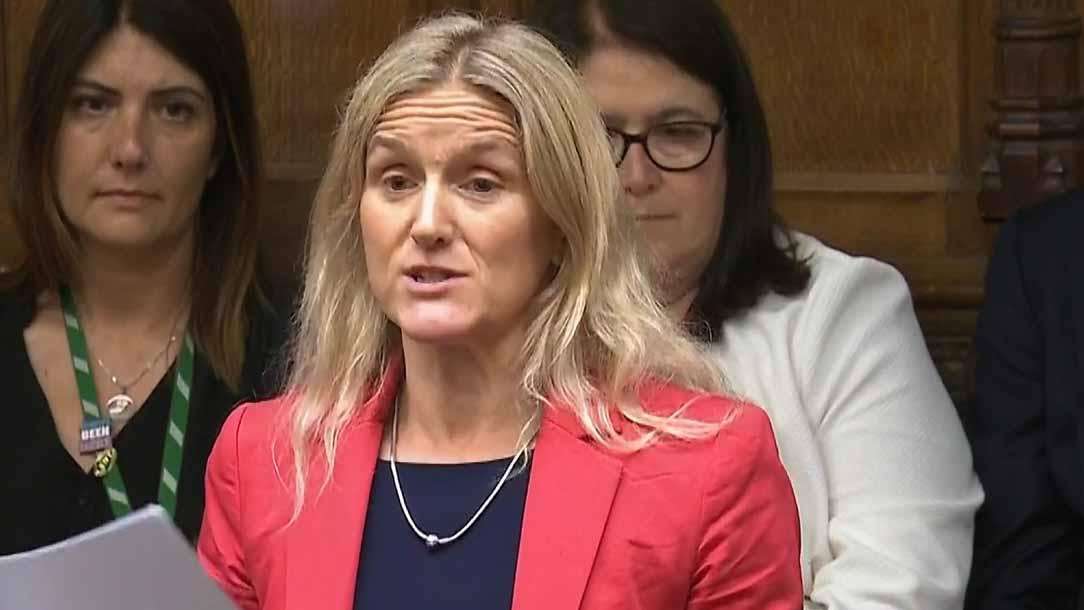
Members of the House of Lords have been accused of attempting to derail the assisted dying bill by putting forward what campaigners describe as “unnecessary” and “cruel” amendments. Kim Leadbeater, the MP championing the legislation, said on Friday that peers opposed to the bill were using more than 1,000 proposed changes to obstruct its progress — including one amendment requiring terminally ill patients to be filmed during an assisted death.
The Lords are set to vote on some of these amendments on Friday, during the fourth day of debate, with six additional sessions scheduled for the new year. Supporters fear the high volume of amendments could prevent sufficient debate before the parliamentary session ends, putting the bill in jeopardy.
Speaking to BBC Radio 4’s Today programme, Leadbeater said many amendments were unwarranted, and some were “very cruel”, especially considering the vulnerable individuals the bill is intended to support.
Among the proposals she criticised were:
-
A rule preventing assisted dying for anyone who had travelled abroad within the previous year.
-
A requirement to screen family members for potential financial motives.
-
And a proposal to record assisted deaths on video, which she described as “intrusive and heartless”.
Leadbeater argued that opponents who fundamentally disagree with assisted dying are using procedural tactics to block the bill, despite strong public backing and its earlier approval in the House of Commons.
The bill passed the Commons in June, but progress has stalled in the Lords. After three days of committee-stage discussions, peers have examined only 80 of more than 1,150 amendments, raising concerns the process will run out of time.
Three MPs who previously opposed the bill’s substance — Justin Madders, Nia Griffith and Debbie Abrahams — wrote to The Guardian urging peers not to sabotage the legislative process through filibustering.
However, critics of the bill argue that thorough scrutiny is necessary for such a sensitive and complex issue, and that peers are addressing concerns raised by groups including the Royal College of Psychiatrists.
Baroness Tanni Grey-Thompson, who submitted several amendments, said they were intended to strengthen safeguards and prevent coercion of terminally ill individuals. She said proposals such as recording deaths would help identify undue pressure and improve understanding of the process.
Among the amendments being debated on Friday is one from Alex Carlile, the former terrorism legislation reviewer, which seeks to reinstate the role of a High Court judge in approving assisted dying applications. Supporters argue this would relieve pressure on already overworked courts by allowing designated judges to handle such cases.