



.jpg)


.svg)
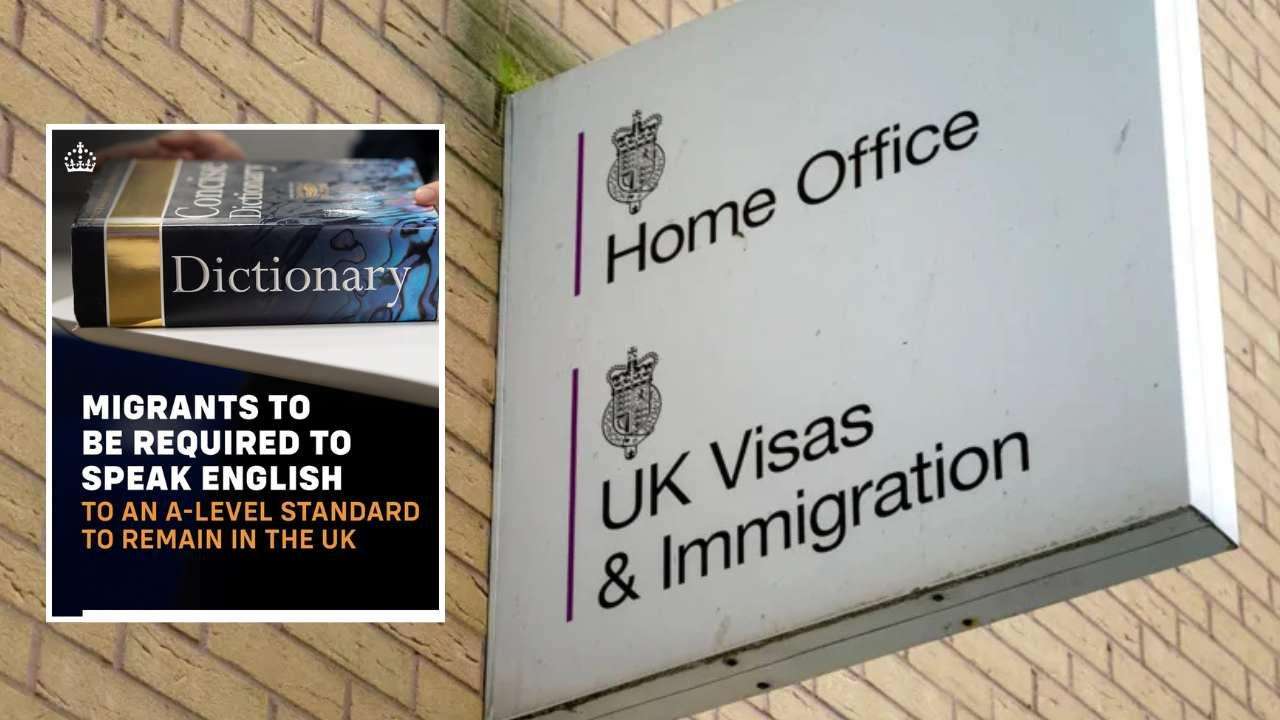
The landscape of British immigration has shifted under a new doctrine of "earned settlement," leaving thousands of families and essential workers in a race against time and linguistic standards. As of early 2026, the Home Office has moved beyond simple communication requirements, mandating that many migrants now demonstrate English proficiency at a B2 level—effectively an A-Level equivalent—while simultaneously proposing to double the qualifying period for Indefinite Leave to Remain (ILR).
The B2 Threshold: Beyond Basic Conversation
For years, the B1 "intermediate" standard served as the gateway for most work-based settlement. However, the new rules have elevated the bar to CEFR Level B2. This "upper-intermediate" requirement demands more than just navigating daily life; it requires the ability to understand complex technical discussions and produce clear, detailed text on a wide range of subjects. While the initial entry for spouse visas currently remains at the lower A1 level, the "settlement trap" awaits at the five-year mark, where applicants must now bridge a massive linguistic gap to stay permanently. For those in the Health and Care sector, who often work grueling hours in high-pressure environments, the leap from B1 to B2 is being described by advocates as a "hidden wall" designed to limit permanent residency.
The 10-Year Settlement Proposal: Changing the Rules Mid-Game
Perhaps more jarring than the language mandate is the government's move to extend the residency requirement for ILR from five years to ten. This proposal, currently under consultation with implementation expected in April 2026, would retroactively apply to many already in the UK. For a spouse or a skilled worker who moved to the UK on a five-year path to stability, this change effectively doubles their "probationary" period. During this decade-long wait, they remain subject to "No Recourse to Public Funds," leaving them vulnerable to economic shifts without the safety net available to settled citizens.
Impact on Dependents and Care Workers
The ripple effect on families is profound. While care workers were previously a cornerstone of the post-Brexit labor strategy, those entering the route now face restricted rights to bring dependents. For those already here, the new A-Level English standard for settlement applies to partners as well. If a dependent spouse cannot meet the B2 requirement by the time they are eligible for ILR, they may be forced onto a "30-month extension loop," preventing them from ever achieving the security of permanent status and keeping them in a state of perpetual visa renewals and high Home Office fees.
What Happens Next: The April 2026 Deadline
The immediate focus for migrants and legal experts is the April 2026 implementation window. Legal challenges are expected to mount regarding the "retrospective" nature of the 10-year settlement rule, with critics arguing it breaches the legitimate expectations of those who moved to the UK under the 5-year promise. Meanwhile, the Home Office is expected to release further guidance on "exceptional circumstances" for those who cannot meet the B2 standard due to learning difficulties or age, though the current tone from Whitehall suggests these exemptions will be strictly policed.