





.svg)
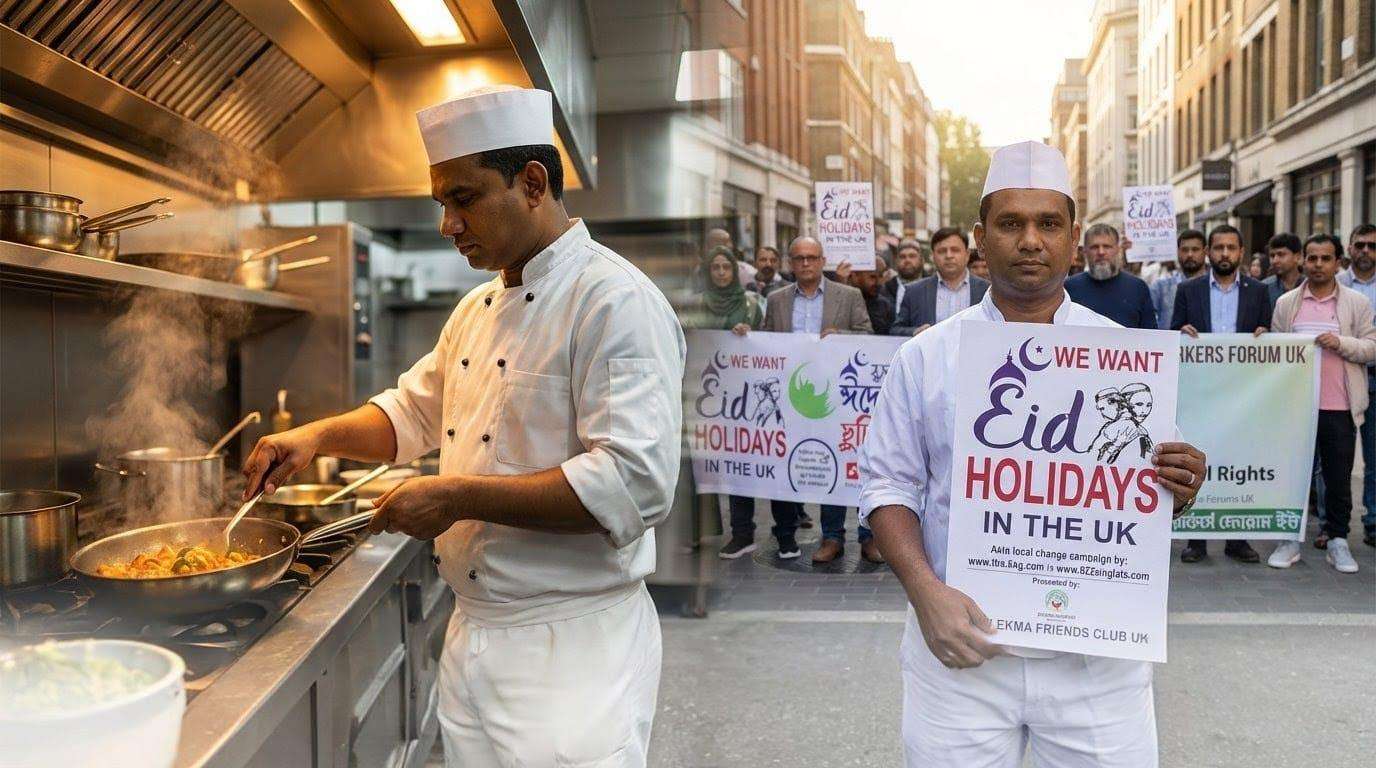
As the holy month of Ramadan reaches its conclusion, the global Muslim community prepares for the joyous occasion of Eid al-Fitr, expected to fall on Friday, March 20, 2026. While the prospect of a Friday Eid offers a three-day weekend for most office-based professionals in the United Kingdom, a somber reality persists for over 100,000 Bangladeshi workers within the British hospitality sector. Despite being the backbone of the nation’s £4.5 billion "curry industry," these employees—95% of whom are Muslim—find themselves behind stoves and counters rather than celebrating with their families, often at the behest of owners from their own community.
The British labor market operates under strict regulations regarding holiday entitlement, yet the Bangladeshi-owned restaurant sector remains a glaring exception. While sectors ranging from healthcare to corporate finance provide alternative rest days or enhanced pay for religious festivals, restaurant workers—including chefs, waiters, and managers—are frequently denied even a single day of leave. This systemic issue is exacerbated for undocumented workers who, fearing for their livelihoods, remain silent about their right to worship and celebrate. As owners enjoy the festivities with their kin, the workers who generate their profits are often left with nothing but memories of Eids spent back in their homeland.
The Spanish Model: A Verified Precedent
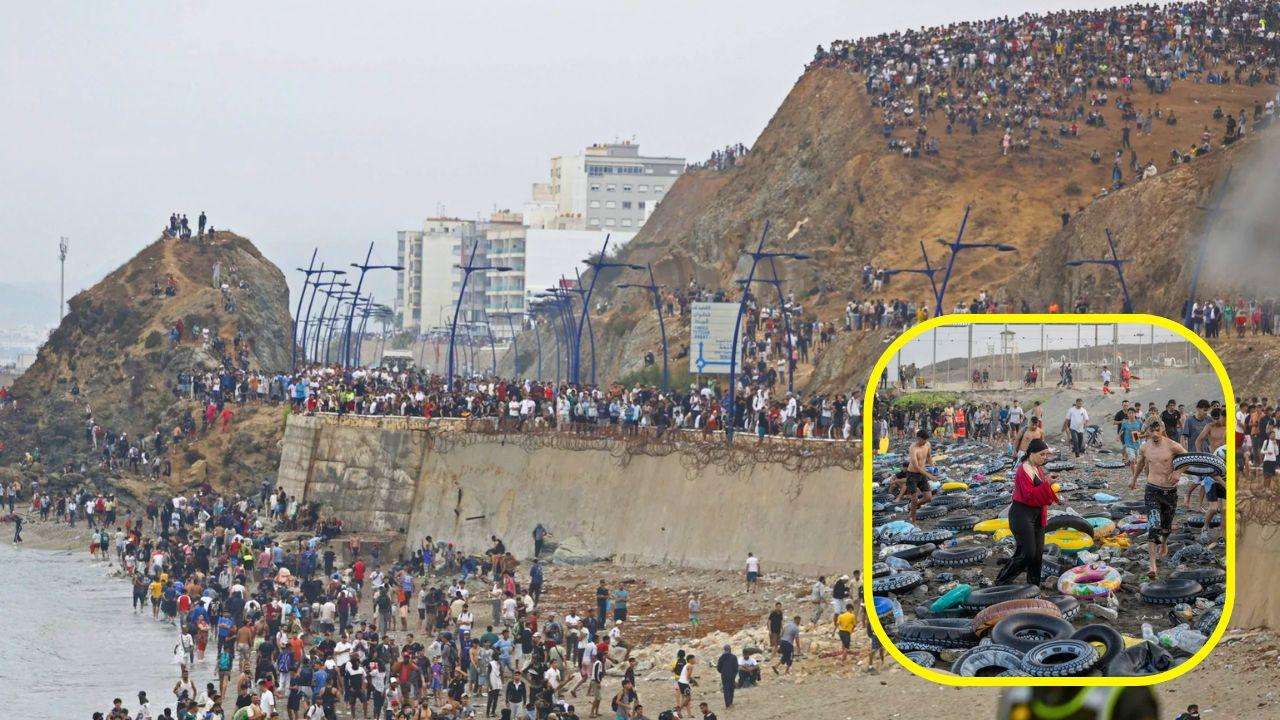
While the UK continues to debate the feasibility of religious holidays, Spain has already established a legal precedent for including Islamic festivals in its official calendar. In the autonomous Spanish cities of Melilla and Ceuta, Eid al-Fitr (officially listed as Ruptura del Ayuno) is recognized as an official public holiday. In Melilla, Friday, March 20, 2026, is a statutory regional holiday where schools, government offices, and most businesses are closed. This historic shift began in 2010 with Eid al-Adha and now extends to Eid al-Fitr, marking the first time non-Christian religious festivals have been granted official status in Spain since the 15th century. This provides a clear blueprint for how European nations can integrate minority religious rights into national labor laws.
The Friday Factor and Economic Resistance
The falling of Eid on a Friday in 2026 has created a significant conflict of interest. Friday and Saturday represent the most profitable nights for the UK restaurant industry. Consequently, many owners refuse holiday requests, citing potential business losses. This commercial pressure has sparked a debate on the ethical treatment of staff during the most significant dates on the Islamic calendar.
Oli Khan MBE, President of the Bangladesh Caterers Association (BCA) UK, acknowledged the gravity of the situation. "Friday and Saturday are the primary business days in this country. However, we are actively encouraging owners to close and give workers their holiday. If we can close on Christmas Day, there is no reason we cannot do the same for Eid," Khan stated. He further emphasized the BCA’s evolving stance, noting that they now welcome members who choose to close their doors to honor their staff’s religious needs.
Voices from the Frontline
The lack of a unified labor union for restaurant workers has left many vulnerable. Chef Abu Taher, working in South West London, expressed the collective frustration: "After fasting for an entire month, the arrival of Eid is a time for joy, yet our employers deny us leave. We are allowed a brief window for prayers, but beyond that, we cannot celebrate with our children."
Community leaders are also stepping up the pressure. Journalist Saidul Islam, Vice President of the Friends Helping Society, has been campaigning for years to rectify this "violation of civil and human rights." He argues that the failure to provide a worker-friendly environment is a contributing factor to the current recruitment crisis. Veteran community leader K.M. Abu Taher Choudhury echoed these sentiments, pointing out that while the demand for a public holiday on Eid has been discussed for years, Muslim Members of Parliament have yet to champion the cause effectively within the halls of Westminster.
What’s Next: The Path to Reform
The next steps for the UK movement involve a dual-track strategy: lobbying the Department for Business and Trade for specific religious leave protections and a grassroots push for "Eid Closure" certifications. Exceptional cases, such as the 'Curry Leaf' restaurant in South West London owned by Abdul Majid Masud and Jahed Ahmed, prove that closing for Eid is viable. For twenty years, they have closed on Eid, asserting that respecting faith does not diminish business success.