



.svg)
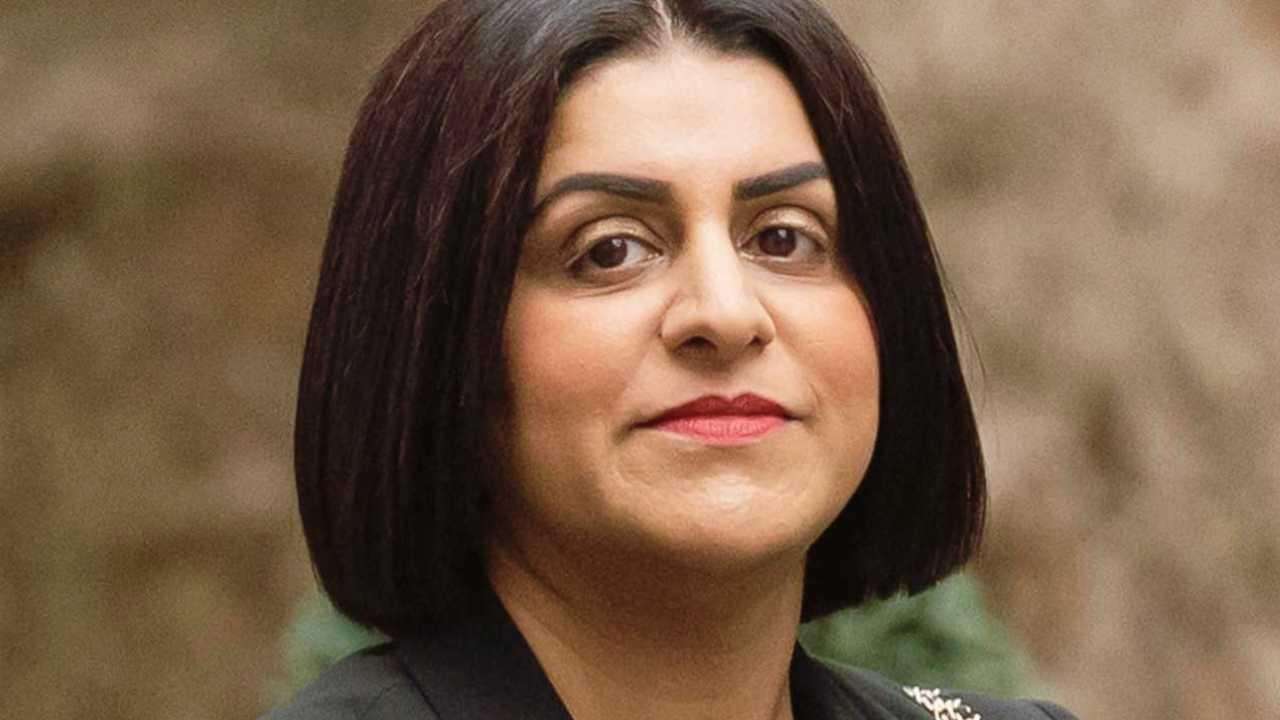
Shabana Mahmood has declined to rule out the possibility of returning rejected Afghan asylum seekers to Taliban-controlled Afghanistan, signaling a potential shift in the UK’s current immigration stance.
Speaking during a visit to Dunkirk, Mahmood confirmed that the UK government is “closely monitoring” ongoing discussions between European nations and Kabul regarding a possible returns programme. While she avoided confirming any formal negotiations, she acknowledged that internal discussions within Whitehall are underway.
“We’re not ruling anything in or out,” she said, emphasizing that the UK is working with international partners to explore coordinated solutions.
A Possible Policy Reversal
At present, the UK does not deport individuals back to Afghanistan due to its refusal to formally recognize the Taliban government. Any move to initiate deportations would mark a major reversal of existing policy and could spark strong opposition from human rights organizations.
The development comes after countries like Germany resumed limited deportations of Afghan nationals—primarily convicted criminals—since 2024. Meanwhile, more than 20 European Union countries are reportedly considering similar agreements following diplomatic talks facilitated by Sweden.
Rising Numbers and Political Pressure
The UK government faces increasing pressure to reduce irregular migration, particularly small boat crossings via the English Channel. Afghan nationals have been the largest group arriving through this route, with over 6,360 arrivals recorded in the year ending June 2025—an 18% increase compared to the previous year.
Between 2022 and 2024, nearly 29,600 Afghan citizens applied for asylum in the UK. However, acceptance rates have dropped significantly—from 99% in 2023 to just 38% in early 2025—following stricter eligibility criteria introduced last year.
Rejected asylum seekers who do not voluntarily leave the UK often remain in a legal grey area, without official status or the right to work.
Human Rights Concerns Intensify
International bodies, including the United Nations, have issued stark warnings about conditions in Afghanistan. A recent UN report described the country as a “graveyard for human rights,” highlighting systemic oppression under Taliban rule.
Read more: UK Migrant Care Workers Protest Immigration Changes as Unison Challenges 10-Year Settlement Plan
Women and girls face severe restrictions, including bans on education beyond age 11, limited access to employment, and strict movement controls requiring male guardianship. Public spaces such as parks, gyms, and beauty salons have been shut down for women, and reports of arbitrary arrests and violence against journalists and activists have increased.
Expert Opinions and Legal Challenges
Dr. Madeleine Sumption of the Migration Observatory noted that governments typically only deport individuals after determining it is safe for them to return.
However, she added that many countries still avoid returning asylum seekers to Afghanistan due to ongoing instability and human rights risks, even if their claims are rejected.
Legal experts warn that any UK attempt to deport individuals to Afghanistan could face significant challenges in courts, particularly under international human rights law.
Broader Immigration Strategy
The discussion comes amid broader efforts by the UK government, led by Keir Starmer, to tighten immigration controls. Recent measures include:
- A “one in, one out” agreement with France to manage small boat arrivals
- Extended waiting periods (up to 20 years) for permanent settlement
- Restrictions on student visas from high-risk countries, including Afghanistan
These policies aim to reduce asylum claims and discourage irregular migration, but critics argue they may undermine the UK’s humanitarian commitments.
What Happens Next?
While no formal decision has been made, the UK’s position appears to be evolving in response to growing migration pressures and shifting international dynamics.
Any move toward deportations to Afghanistan would likely trigger intense political debate and legal scrutiny, especially given the deteriorating human rights situation in the country.
For now, the government maintains that it is observing developments across Europe before making any definitive policy changes.