




.svg)
The dual crises of frontline neutrality and community accountability face immediate stress tests on Monday, as a sentencing hearing and an institutional stand-off challenge the modern operational philosophies of British law enforcement.
A profound reckoning is sweeping through the institutions of British public safety, forcing an unprecedented re-examination of how law enforcement navigates the delicate intersection of religious freedom, minority protection, and institutional impartiality. Beneath the surface of standard operational policing, a series of systemic friction points have emerged, raising fundamental questions about whether front-line officers and oversight panels are maintaining objective neutrality or altering their protocols under the weight of community pressures.
The Trial of Frontline Neutrality
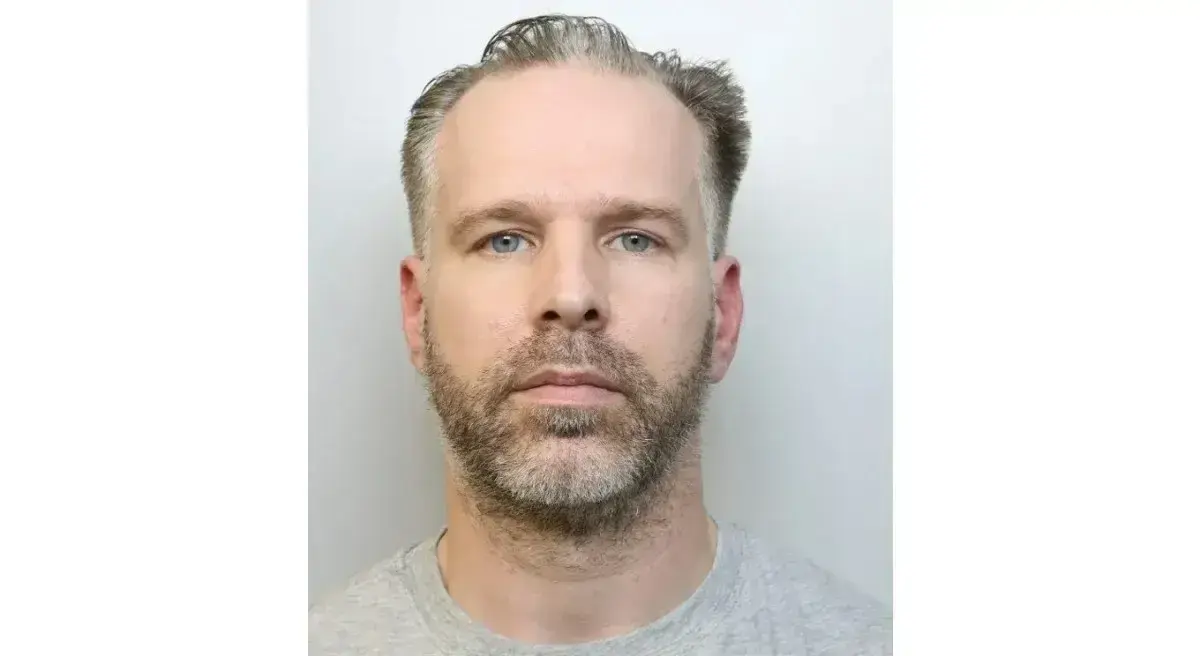
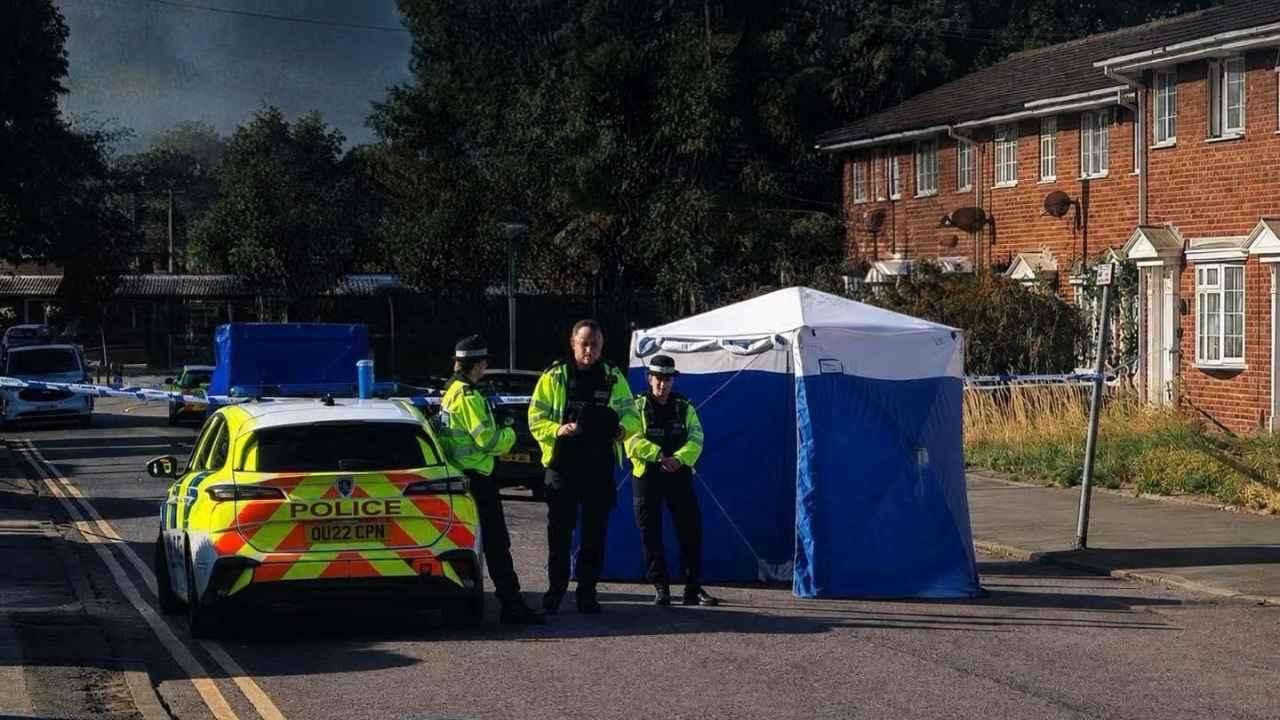
On Monday, the focus of this debate shifts to Southampton Crown Court, where Vickrum Digwa is scheduled to be sentenced for the murder of 18-year-old finance student Henry Nowak. The two-week trial has already reverberated far beyond the courtroom, exposing severe operational lapses that have prompted an independent investigation into frontline police conduct.
The court heard that following a fatal altercation in which Digwa used a 21-centimetre traditional blade, arriving officers handcuffed a dying Mr Nowak based on unverified, false allegations of racial abuse made by the perpetrator. Hampshire and Isle of Wight Constabulary has issued a formal apology to the victim’s family, acknowledging that officers mistakenly prioritised the deception over urgent medical assessment.
The fallout from the verdict has galvanised both community leaders and national policymakers into structural action. Gurmel Singh, chief executive of the Supreme Sikh Council UK, stated to journalists that a high-level review of religious safeguards would commence immediately. The council aims to strengthen internal education campaigns regarding the strict spiritual prerequisites and emotional discipline mandatory for carrying the traditional kirpan. While community leaders rejected what they termed reactionary political commentary, they fully accepted internal accountability to ensure the sacred articles of faith are never misused.
Concurrently, the Independent Office for Police Conduct is advancing its mandatory investigation into the actions of the responding officers. The inquiry is expected to dissect the exact extent to which contemporary anti-racism training programs and diversionary protocols may have inadvertently skewed the initial risk assessment on the ground, creating a hesitation that clouded objective medical and tactical priorities.
The Scrutiny of Oversight Panels
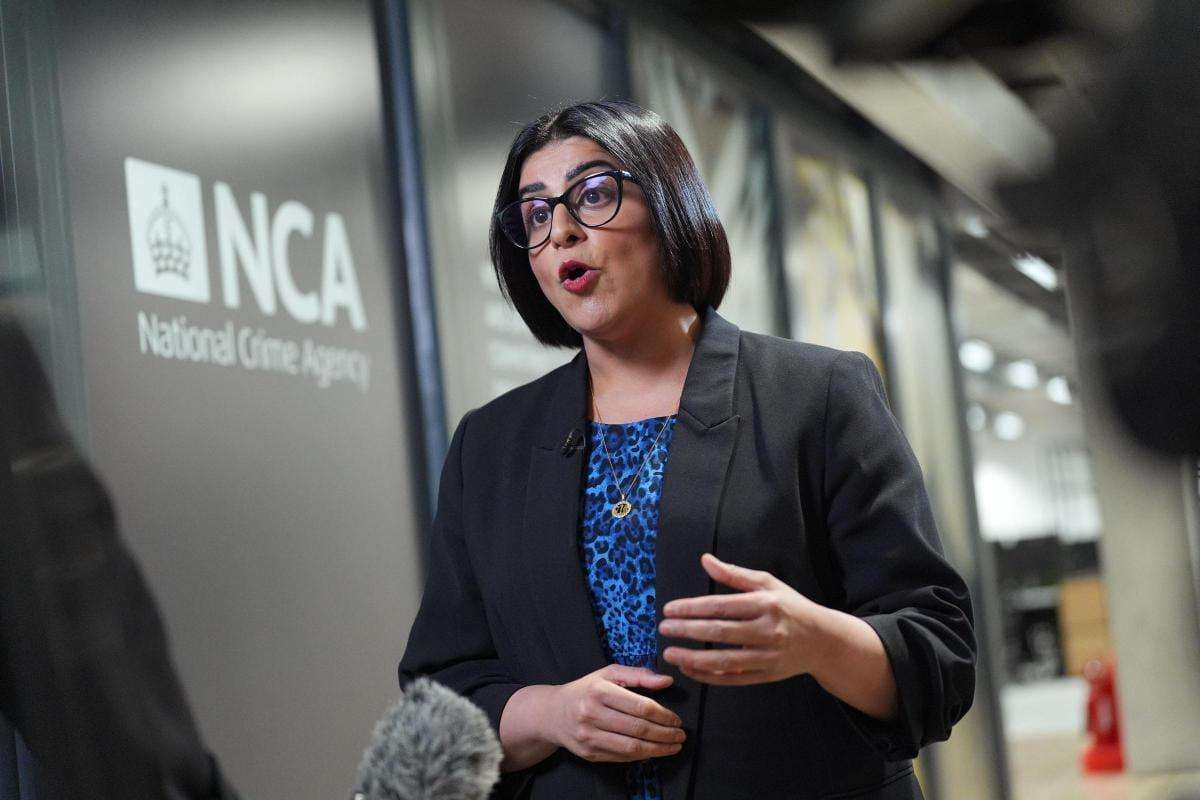
As operational procedures face scrutiny in the south, the conceptual framework governing police advisory boards in the north is experiencing an equally volatile rupture. In West Yorkshire, a brewing legal and institutional stand-off has emerged following the dismissal of the academic chairwoman of the Bradford Hate Crime Scrutiny Panel.
The dispute, which is now the subject of an appeal for a formal apology supported by civil liberties advocates, traces back to internal rifts over where the boundaries of free speech end and institutional bias begins. Documents obtained via freedom of information requests reveal that internal friction began when the chairwoman argued that highly offensive criticisms of religious figures did not legally constitute criminal offenses, a position later supported by independent legal counsel.
However, the definitive rupture occurred during an emergency security meeting convened after an extremist attack on a Manchester synagogue. The chairwoman accused West Yorkshire Police of misdirecting their protective focus toward administrative appeasement rather than addressing specific threats directly. Following formal complaints from internal staff alleging divisive language, the force summarily removed her, citing a breach of the required standards of impartiality.
A spokesman for West Yorkshire Police told journalists that the decision followed rigorous legal advice confirming that the comments violated the panel’s established code of conduct. The force maintained its unwavering commitment to securing all vulnerable communities, highlighting established, visible partnerships designed to protect the region’s Jewish population. Conversely, advocacy groups supporting the academic argue that the dismissal points to a broader, more concerning trend where institutional policing structures appear increasingly sensitive to internal bureaucratic complaints at the expense of robust, objective community oversight.
The Structural Path Forward
These parallel developments illuminate a critical juncture for British civic administration. The upcoming days will see judicial closure in the Southampton tragedy, but the systemic inquiries are only beginning. As oversight bodies, religious councils, and independent investigators parse through the evidence, the core challenge remains clear: ensuring that the mechanisms designed to protect a diverse public do not lose their essential grounding in objective law, administrative transparency, and equal justice. Reporting for Daily Dazzling Dawn, the unfolding events suggest that the equilibrium between community sensitivity and unyielding institutional neutrality will remain the central debate shaping public trust for years to come.