.jpg)
_1.jpg)



.svg)
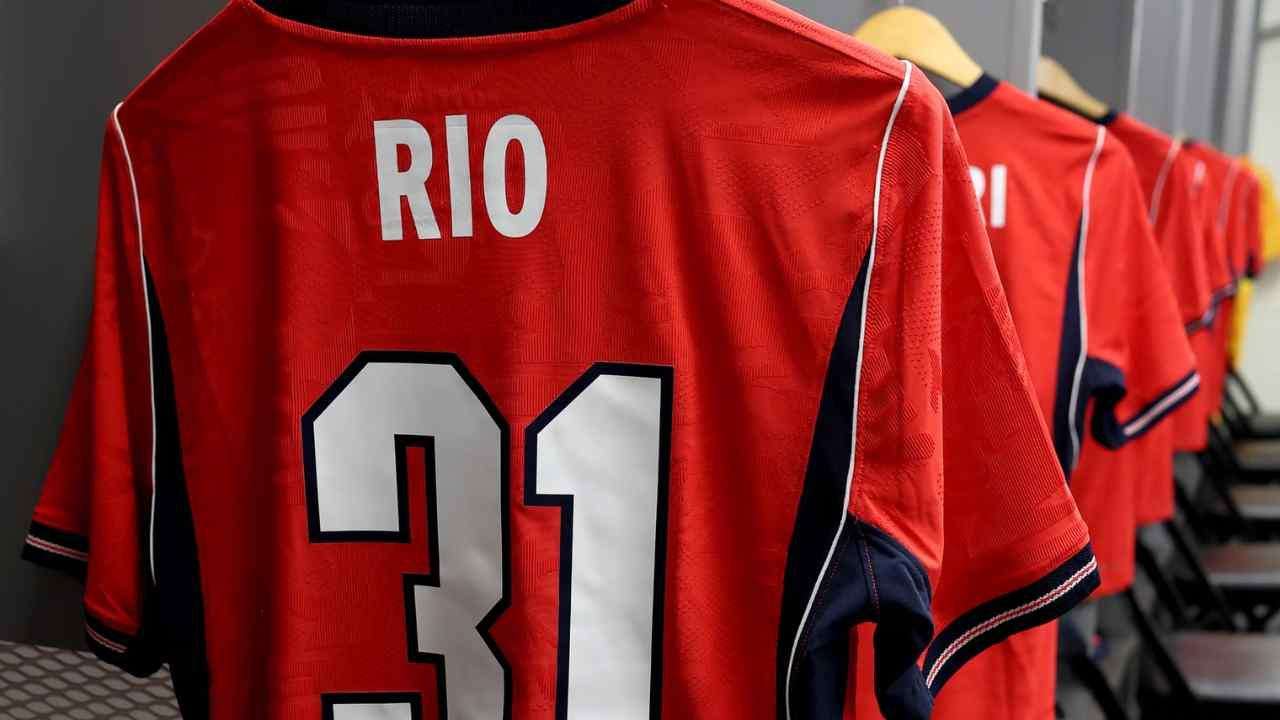
Football supporters heading into this week's World Cup are facing the highest-ever prices for official replica jerseys, with Nike-branded national team shirts emerging as the most expensive on the market.
Fans of England, Brazil, and France will typically pay around €110 (£95) for an adult replica shirt, according to football merchandise analyst Dr. Peter Rohlmann. Adidas and Puma kits, worn by teams such as Spain, Germany, Scotland, and Portugal, are generally priced at €100.
Children's jerseys have also become significantly more expensive. Nike's youth shirts average €85, compared with €80 for Puma and €75 for Adidas. The figures are based on prices listed on official sportswear and football association websites across Europe.
The price gap is especially noticeable in the United Kingdom. England supporters are paying £90 for a standard replica shirt and £135 for the player-version match shirt. In contrast, Scotland fans can purchase replica kits for £75 and match versions for £120. Children's England shirts are also £10 more expensive than Scotland's equivalent kit.
Replica football shirts remain a major source of revenue for manufacturers. Rohlmann estimates that between 18 million and 23 million jerseys could be sold during this World Cup, with Nike, Adidas, and Puma expected to account for nearly 80% of all sales.
The steady rise in shirt prices has drawn criticism. Data shows the average cost of an adult replica World Cup jersey has increased by more than 50% since the 2010 tournament in South Africa, climbing from €65 to €100 today. At the 2022 World Cup in Qatar, the average price stood at €90.
England fans have seen some of the steepest increases. A Three Lions shirt cost around £45 in 2010 and £75 during the 2022 World Cup. Four years later, the same shirt now sells for £90, significantly outpacing inflation and broader increases in the cost of living.
Adding player names and numbers can push prices even higher, while some children's kits vary in cost depending on size.
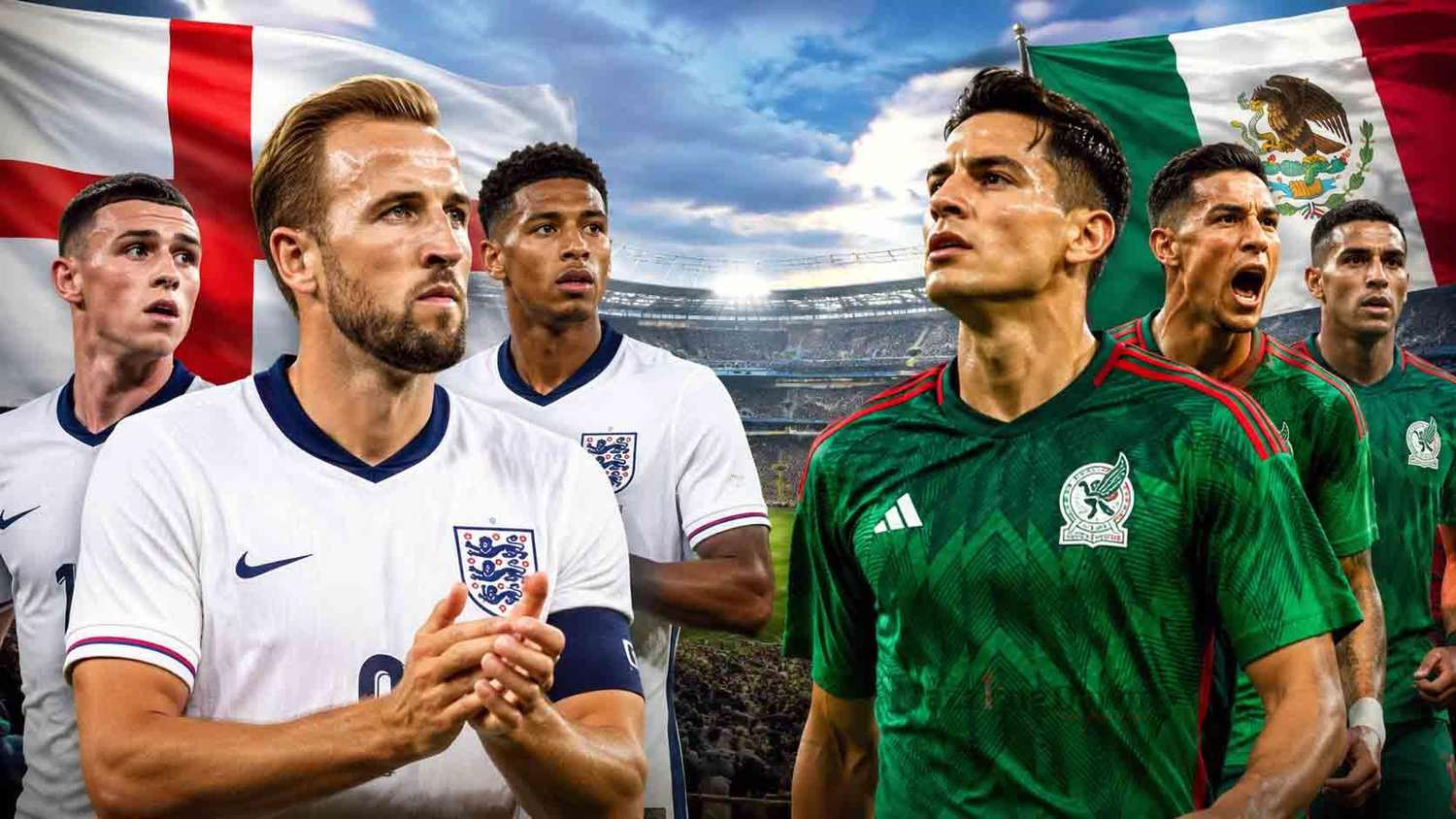
Who Will Win the FIFA World Cup 2026?
Nike defended the pricing, citing higher material, manufacturing, and logistics expenses, as well as continued investment in product innovation. Adidas also pointed to rising production costs and increased fees paid to football federations and national teams. Puma did not provide a response when approached for comment.
As official merchandise becomes more expensive, many supporters are turning to counterfeit alternatives. According to KitLegit, an app that uses artificial intelligence to verify football shirts, between 30% and 40% of jerseys currently in circulation may be fake.
KitLegit co-founder Ben Houston said rising living costs and high official prices are driving demand for counterfeit products. While some buyers knowingly purchase replicas, others are being misled by fake websites and unauthorized sellers offering what appear to be discounted genuine products.
Experts warn that counterfeit purchases can result in poor-quality merchandise, missing deliveries, or unexpected customs and tax charges, leaving fans disappointed despite the lower upfront cost.