





.svg)
With Keir Starmer stepping down as Labour leader, many figures from the party’s left wing are cautiously hopeful that a new chapter could be about to begin under Andy Burnham. After years of political tensions and internal divisions, left-leaning members are wondering whether Burnham can reunite the party—or if history will repeat itself.
Former Labour MP Jon Trickett, a long-time socialist voice within the party, believes Starmer’s leadership pushed Labour away from its traditional working-class roots. Trickett recalled being the only Labour MP willing to vote against cutting the winter fuel allowance for some pensioners in 2024, despite pressure from senior party figures.
According to Trickett, policies like that, combined with what he described as a "purge" of the party’s left, contributed to Labour losing support among working-class voters. He argues that many former Labour supporters either disengaged from politics or turned to populist parties on both the right and left.
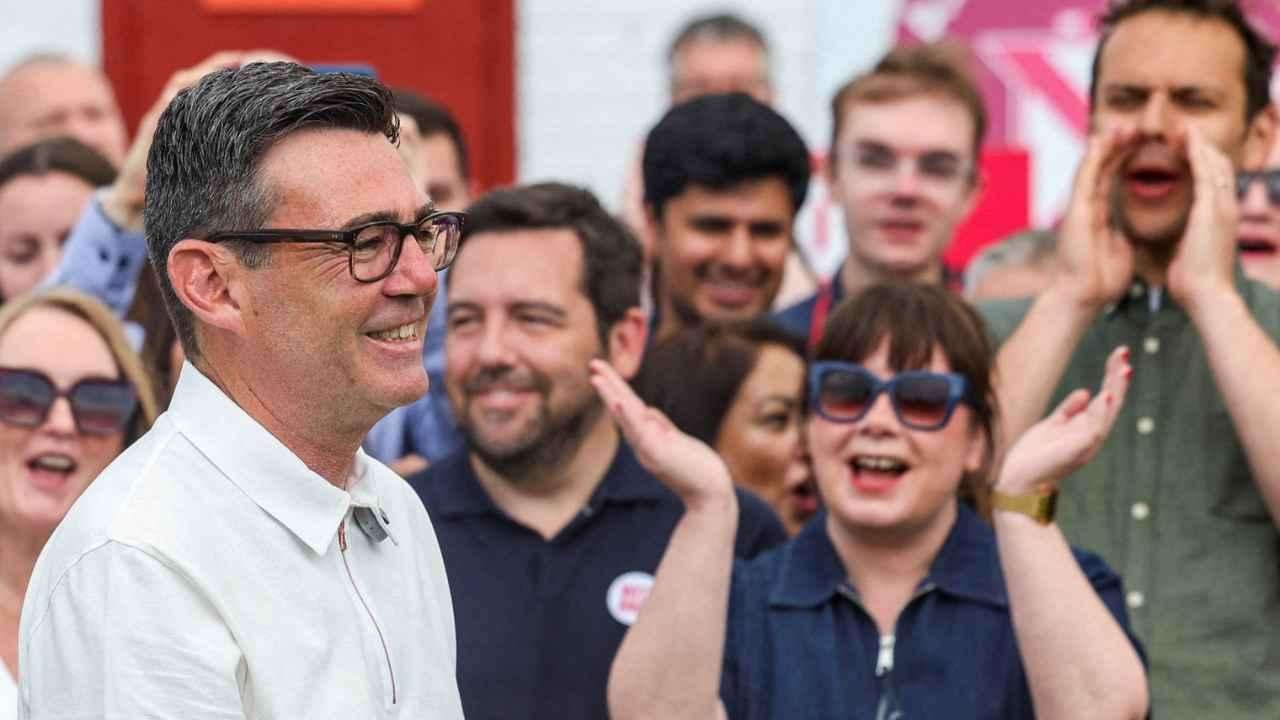
Now, attention has shifted to Andy Burnham, the former Greater Manchester mayor who has returned to Parliament and is widely viewed as Starmer’s likely successor. Burnham has promoted what he calls "Manchesterism"—a political vision focused on stronger public control of essential services, greater regional devolution, and closer cooperation between government and business to create shared prosperity.
Many on Labour’s left welcome Burnham’s rhetoric, but remain cautious. They remember that Starmer also campaigned on progressive promises before becoming leader in 2020, pledging support for public ownership, free university tuition, and other left-leaning policies. Critics argue that many of those commitments were later abandoned as Labour sought to appeal to a broader electorate.
The relationship between Starmer and Labour’s socialist wing deteriorated further after former leader Jeremy Corbyn was suspended from the party and a wider crackdown on members accused of antisemitism led to numerous suspensions. Some left-wing politicians say the atmosphere created fear and division within Labour.
Starmer’s handling of the Israel-Gaza conflict also caused lasting frustration among many progressive members. His early comments defending Israel’s right to restrict utilities to Gaza drew widespread criticism, even though his government later recognised Palestine and eventually backed a ceasefire.
While Burnham has spoken about ending factionalism and rebuilding unity inside Labour, questions remain about how far he is willing to move the party to the left.
Supporters point to policy proposals developed alongside economist Mathew Lawrence, which call for greater public influence over utilities and a more active role for the state in the economy. However, some are uneasy about Burnham surrounding himself with advisers linked to business and New Labour-era politics, including former cabinet minister James Purnell and former Goldman Sachs economist Jim O’Neill.
Potential appointments to key government positions are also being closely watched. Some on the left hope former Labour leader Ed Miliband could become chancellor, viewing him as more supportive of state intervention, while others worry that a more centrist figure could be chosen instead.
Despite these concerns, several Labour left-wing figures believe Burnham deserves the opportunity to present his vision before being judged.
Andy McDonald, who served in Jeremy Corbyn’s shadow cabinet, said there are encouraging signs that Burnham wants a stronger role for the state and a break from neoliberal economic policies.
Burnham has also acknowledged that some left-wing members should never have been expelled from Labour, although he believes the party has moved beyond the possibility of Jeremy Corbyn returning. He has repeatedly said his goal is to reduce internal divisions and rebuild Labour as a united movement.
For many on Labour’s left, Starmer’s departure represents more than a leadership change. It offers a chance to regain influence after years of political isolation. Whether Burnham can successfully balance party unity with progressive reform may determine Labour’s direction for years to come.