.jpeg)





.svg)
The government faces an immediate parliamentary showdown over its flagship immigration strategy, as internal impact assessments reveal that more than half of the individuals rejected under the proposed human rights clampdown will likely remain in the country indefinitely.
As the legislation prepares to face intense scrutiny from MPs next week, the political battleground is shifting from ideological intent to the logistics of enforcement. The newly introduced immigration and asylum bill seeks to fundamentally rewrite how the state handles contested deportations. However, an internal Home Office analysis seen by Daily Dazzling Dawn indicates that 55 per cent of the estimated 11,700 people projected to face annual denials under the stricter framework are expected to stay in the United Kingdom due to systemic removal barriers.
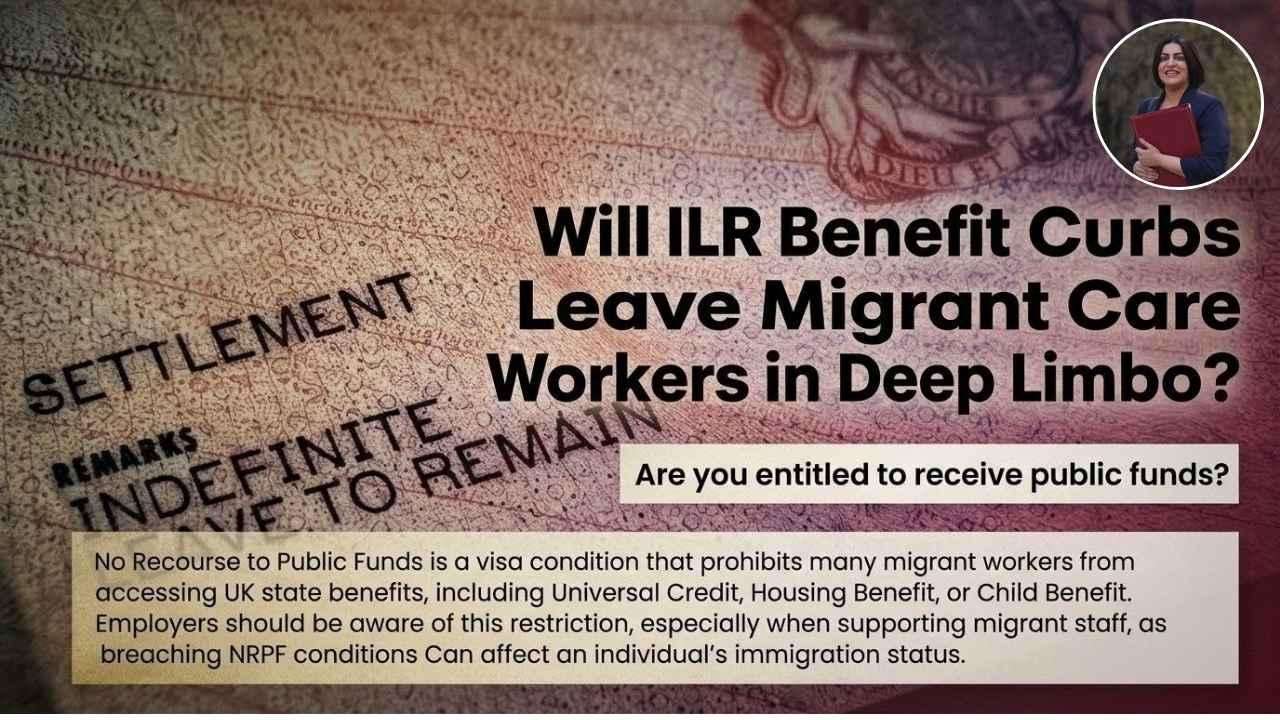
Legislative Hurdle Ahead- The draft law, introduced to parliament by Shabana Mahmood, aims to severely restrict reliance on Article 8 of the European Convention on Human Rights, which protects the right to family and private life. Under the new terms, human rights claims will be restricted to a strictly defined "core family unit" comprising only spouses, parents, and children. Furthermore, those who establish families while residing in the country unlawfully will be explicitly barred from using their domestic ties to evade deportation.
Beyond human rights restrictions, the bill introduces a series of unprecedented bureaucratic hurdles. It proposes a £10,000 fee for asylum seekers before they can attain settled status, outlines a newly restructured appeals mechanism operating without traditional judicial oversight, and imposes strict limits on modern slavery claims, restricting individuals to a single application within a rigid timeframe.
The upcoming parliamentary debates are expected to expose significant vulnerabilities within the governing party, with several backbenchers preparing to challenge the legal thresholds of the bill. Critics argue that the infrastructure required to manage the new system will exacerbate existing operational backlogs rather than resolve them.
Imran Hussain, the director of external affairs at the Refugee Council, told journalists that the legislation risked introducing profound instability into administrative systems for years to come. He noted that the policy creates an entirely new architecture of bureaucracy for the Home Office by building an alternative appeals framework and imposing an unprecedented financial levy on refugees, while failing to address the deficient quality of initial decisions that primarily drives protracted delays and escalating costs.
The immediate challenge for the executive extends beyond the legislative chambers to the physical management of applicants. Following the closure of 20 asylum hotels across England, authorities are accelerating plans to repurpose decommissioned military barracks to accommodate thousands of individuals. This domestic pressure coincides with a rapidly approaching diplomatic deadline in October, when the current reciprocal maritime treaty with France regarding Channel crossings is scheduled to expire, forcing ministers to renegotiate cross-border enforcement strategies simultaneously.
Financial data contained within the official impact assessments underscores the high economic stakes of the policy shift. Last year, approximately 34,000 individuals were granted residency based on Article 8 criteria. The department estimates the net lifetime public cost of an individual who successfully invokes these convention rights at £141,000 after taxation.
While ministers maintain that the strict measures will diminish the systemic incentives driving irregular migration, the disclosure that a clear majority of refused applicants will remain in limbo highlights a persistent disconnect between legislative deterrence and practical deportation capabilities.