



.svg)
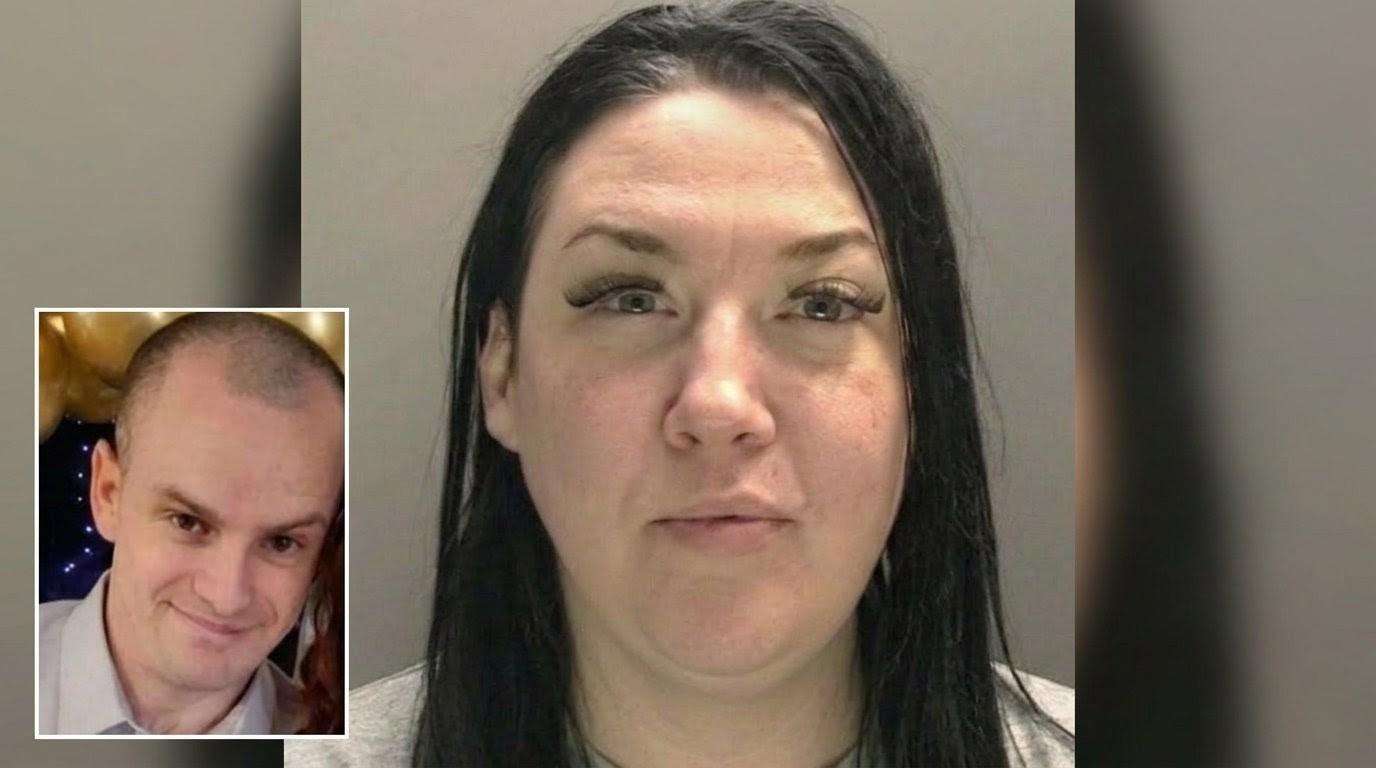
The formal closing of the inquest into the tragic passing of twenty-five-year-old Gabrielle Varley has left her family facing an agonizing void, as authorities remain unable to definitively establish the medical cause of her death.
An investigation by Daily Dazzling Dawn into the court proceedings reveals a harrowing narrative of severe isolation, substance dependency, and underlying health vulnerabilities that complicated the forensic investigation from the outset. Ms Varley was discovered lifeless at her Exeter home on September 25, 2024, shortly after returning from a seemingly vibrant solo stay in the Caribbean. Despite exhaustive post-mortem examinations, both a pathologist and a toxicologist were unable to ascertain the precise mechanism that ended her life, leading Devon area coroner Deborah Archer to record a formal narrative conclusion.
The medical investigation into Ms Varley’s passing encountered immediate complications due to overlapping physiological factors. Emergency services were initially alerted after a friend, concerned by unanswered communications, entered the property through a downstairs window and discovered her body. While responding paramedics noted superficial bruising on her face, a comprehensive police inquiry subsequently ruled out any third-party involvement or suspicious circumstances.
A subsequent toxicology report revealed concentrations of paracetamol consistent with toxicity, alongside evidence of necrotic tissue within the liver. However, medical experts could not determine whether the liver damage occurred pre- or post-mortem, nor could they definitively state whether the paracetamol levels directly contributed to her demise. Compounding the clinical picture was Ms Varley’s established history of epilepsy and anxiety, conditions heavily exacerbated by an escalating struggle with substance abuse.
Behind the vibrant social media facade documenting her recent life in Grenada—where videos depicted a carefree existence of boat parties and palm trees—lay a deeply troubled personal reality. Evidence presented to the court painted a starkly different picture of her final months in the United Kingdom.
Her sister, Charlotte Varley, provided testimony illustrating the gravity of the situation, explaining that the twenty-five-year-old had developed a severe reliance on alcohol. "Gabby had a big problem with alcohol which got worse in 2024, she was going through two to three big bottles of vodka per day," she told journalists during the investigation into her welfare. "Alcohol had been an issue and was getting worse. She was drinking it straight... at any time of the day."
In the final, distressing communication between the sisters, Ms Varley disclosed that she was suffering from severe stomach cramps and had been unable to sleep or eat. This prompted her family to launch a desperate search, contacting local medical facilities in a futile bid to locate her before her body was eventually discovered.
In a written statement submitted to the court, her general practitioner, Dr David Hopkins, noted that Ms Varley lived an increasingly solitary life, characterized by a limited social support network and a history of toxic relationships. The court heard that her epilepsy was profoundly aggravated by her regular intake of alcohol and drugs.
Coroner Deborah Archer emphasized that while clinical literature identifies a heightened risk of sudden death among epilepsy patients who consume alcohol heavily, a definitive causal link could not be scientifically established in this specific instance. Consequently, the legal record remains open-ended, attributing the death to unascertained causes where either a paracetamol overdose or a fatal epileptic seizure remains equally plausible.
With the formal recording of the narrative conclusion, the judicial inquiry into Ms Varley's death drawing to a close, the case transitions from a legal investigation to a poignant case study on the vulnerabilities of young people dealing with hidden dependencies. The focus now shifts toward community support initiatives in Devon, with local health advocates calling for more robust intervention frameworks for vulnerable individuals experiencing isolation alongside concurrent mental health and neurological conditions. For the Varley family, the conclusion of the inquest offers no easy answers, leaving only the memory of a young woman whose internal battles ultimately eclipsed her bright public persona.


.jpg)