






.svg)
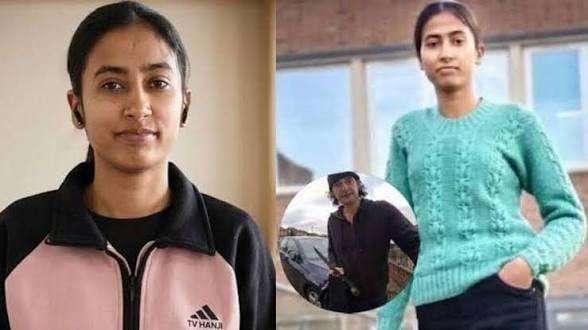
In the early morning hours of July 12, inside a home in Hayes, West London, a twenty-four-year-old mother named Kirandeep Kaur was fatally attacked in her bed. Beside her lay her husband and their three-month-old baby girl. The infant was physically unharmed, while her young husband suffered stab wounds outside the property before being rushed to hospital. While his physical injuries have since stabilized, he remains in a state of deep shock and trauma, left alone to care for an infant who will grow up never knowing her mother.
Back in the village of Piddi, located in Punjab’s Tarn Taran district, Kirandeep’s family received news of her death days later with utter disbelief. Her parents had sold ancestral farmland and taken out substantial loans to finance her international student visa in 2024, hoping to secure a brighter future for their daughter. After completing her degree, Kirandeep had recently entered the workforce and settled into family life. Speaking from Punjab, her mother, Baljeet Kaur, told journalists that the family sent Kirandeep to England believing it to be a safe haven, only to have her life cut short in an act of sudden violence. "We want justice, and we want our daughter's body returned home," she told journalists, while her brother, Gurvinder Singh, expressed helplessness over the logistical and financial hurdles of arranging international repatriation.
With no immediate family members in the United Kingdom equipped to navigate the complex administrative process of sending her body back to India, local grassroots efforts have stepped in. Volunteers from the Sri Guru Singh Sabha Gurdwara in Southall launched a community fundraising campaign that quickly raised over £55,000. These funds are designated to cover repatriation costs for her final rites in Punjab, support her surviving husband, and secure the immediate care of her infant child. Community volunteers at the local Hayes Sikh temple described Kirandeep as a soft-spoken, dedicated young woman whose sudden death has sent shockwaves through the diaspora.
The response to Kirandeep's death stands in stark contrast to the national reaction surrounding another tragic loss. Last December, eighteen-year-old university student Henry Nowak was fatally stabbed in Southampton. In that case, the tragic events swiftly became a focal point for national political debates, street demonstrations, and intensive commentary on public safety.
In an investigation by Daily Dazzling Dawn, community advocates point out that while one tragedy triggered widespread public commentary and political speeches, Kirandeep’s story was initially met with minimal national attention. British Sikh organizations are actively pressing lawmakers and representatives to address concerns over public safety, demanding equal vigilance and recognition for every victim of violent crime regardless of their background.
Looking ahead, local community groups in Hayes are organizing support networks to ensure Kirandeep’s baby receives long-term care and to track ongoing efforts regarding anti-hate initiatives across the capital. As her family in Punjab awaits the return of her body for traditional final rites, community leaders emphasize that every victim of violent crime deserves equal empathy, recognition, and public remembrance.



.jpg)