



.svg)
Indian Prime Minister Narendra Modi has announced plans to establish fast-track courts to quickly prosecute those responsible for examination paper leaks, marking his first public response to days of nationwide youth protests.
Despite the announcement, protesters and opposition parties rejected the proposal, insisting that Education Minister Dharmendra Pradhan should resign over the exam leak scandal. Opposition lawmakers continued disrupting Parliament for the fourth consecutive day, demanding accountability.
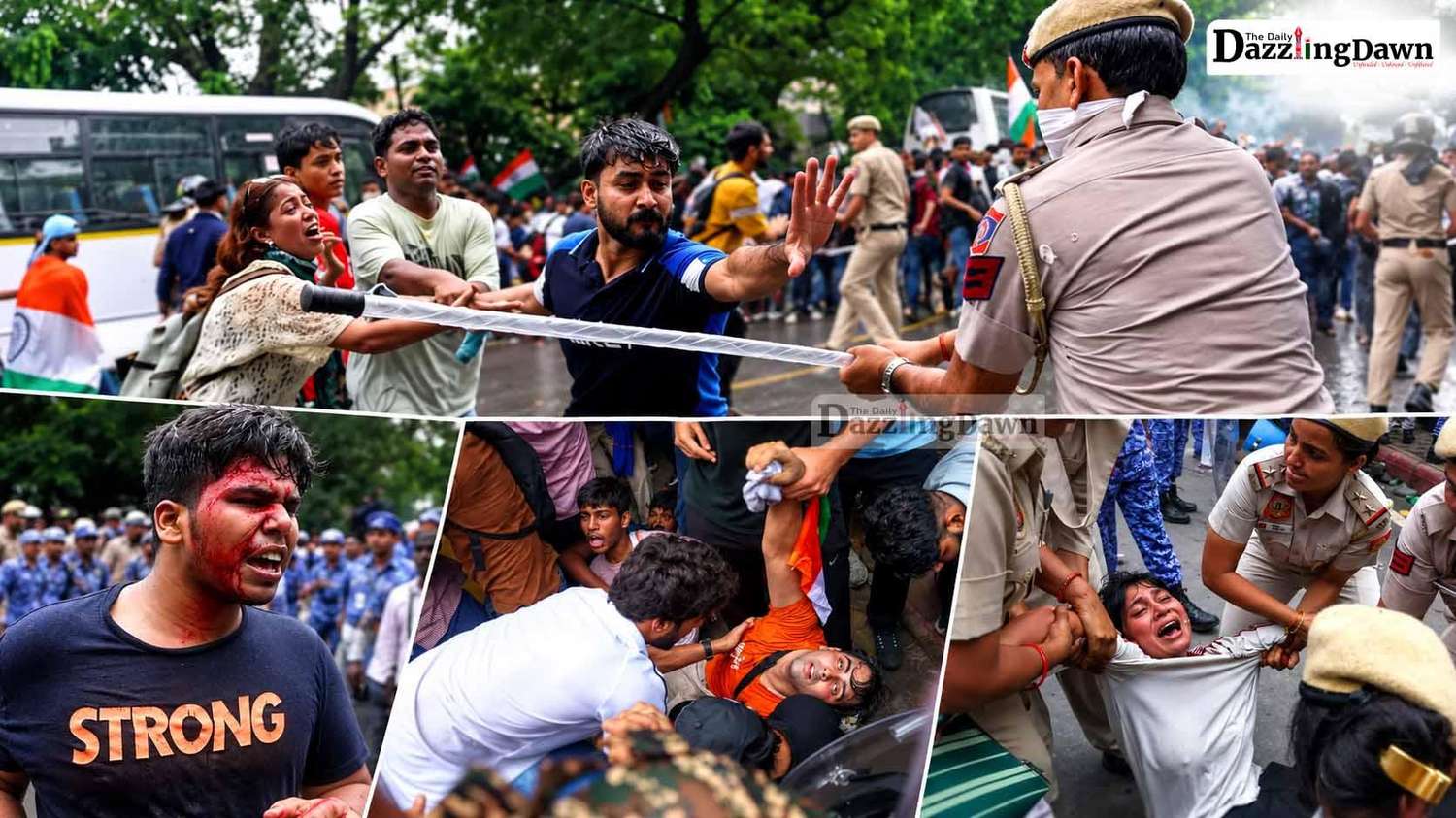
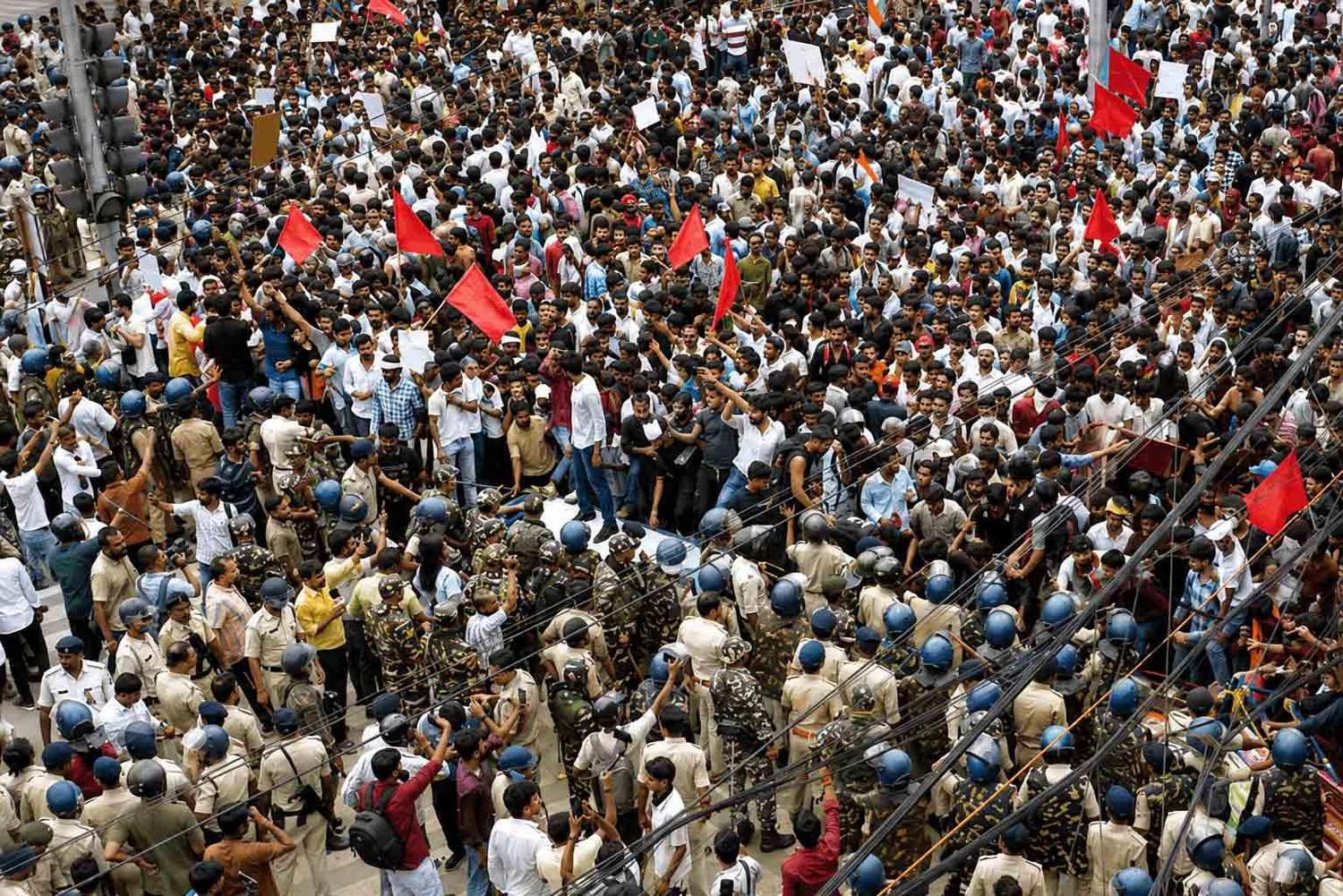
Fresh clashes broke out in New Delhi on Wednesday night as police used tear gas and batons to disperse demonstrators. The protests have grown into the largest youth-led movement against Modi since he became prime minister in 2014, creating the biggest political challenge of his third term.
Posting on X, Modi said protecting the future of young people was a top priority and pledged swift punishment for those involved in exam paper leaks.
He said the new fast-track courts would speed up legal proceedings in a justice system often criticised for lengthy delays. Similar courts have previously been used to handle terrorism, money laundering, sexual offences and other serious crimes.
However, leaders of the Cockroach Janta Party (CJP), the student-led movement behind the protests, said the government's plan does not address the root cause of repeated examination leaks.
CJP spokesperson Ashutosh Ranka questioned why exam papers continue to leak despite existing laws, while the group's founder Abhijeet Dipke said protests would continue until Education Minister Dharmendra Pradhan steps down.
Opposition leader Rahul Gandhi also criticised the government, accusing Modi of failing India's young people. Opposition MPs staged demonstrations outside Parliament before disrupting proceedings inside, while members of the ruling Bharatiya Janata Party (BJP) called for a parliamentary debate on the issue.
On Wednesday evening, more than 10,000 protesters gathered at Jantar Mantar in central New Delhi. Police said some demonstrators threw stones and plastic bottles, injuring several officers who were taken to hospital.
Thousands returned to the protest site on Thursday, carrying anti-government banners and chanting slogans under heavy police security.
The Delhi Metro Rail Corporation temporarily closed 16 metro stations in central Delhi for security reasons, causing major disruption for commuters. It was the second large-scale metro closure this week linked to the demonstrations.
The government has already held talks with CJP leaders and promised to consider their demands while introducing reforms to the examination system.
The protests began last month as an online satirical campaign but have rapidly grown into a nationwide movement highlighting concerns over repeated exam paper leaks, youth unemployment and accountability in India's education system.
The movement has also provided opposition parties with an opportunity to increase political pressure on Modi's government, particularly among younger voters who have traditionally been an important support base for the ruling BJP.

.jpg)