





.svg)
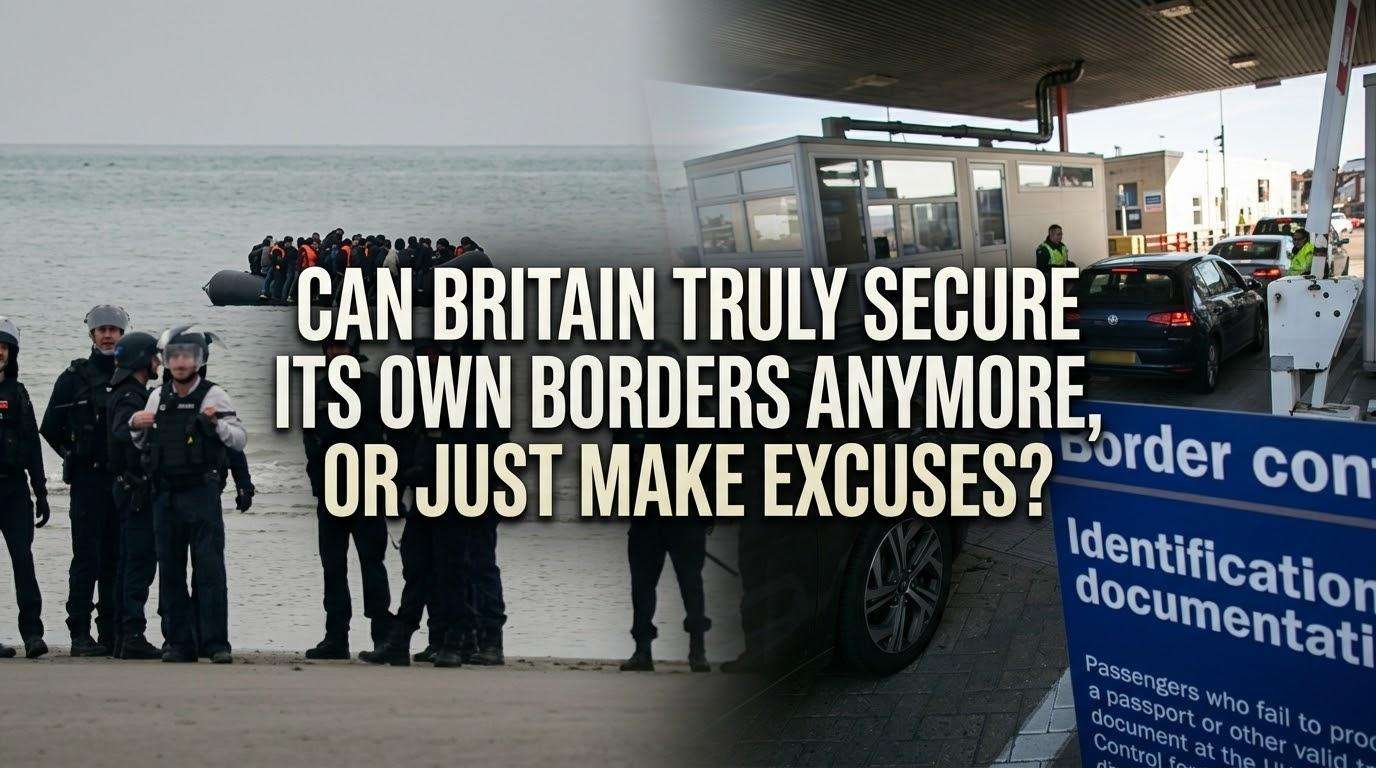
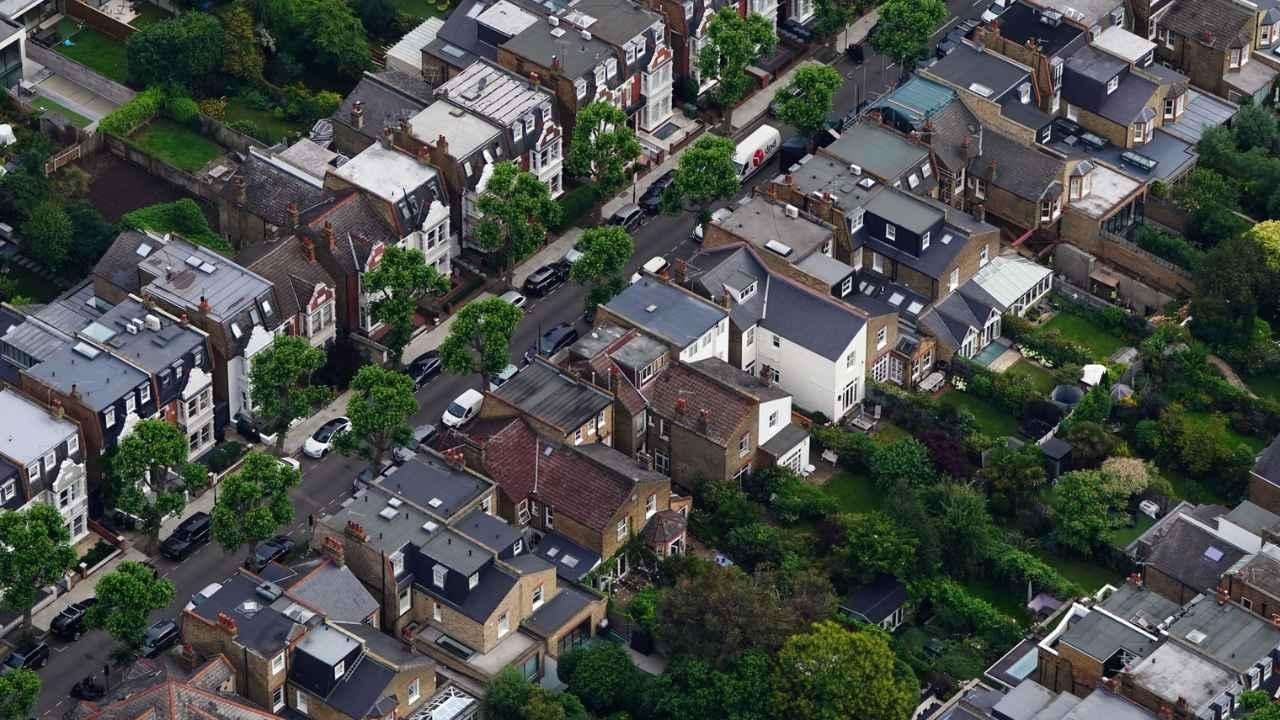
The UK government is considering increasing the amount it pays landlords to house asylum seekers in private rental properties as part of a wider effort to distribute accommodation more evenly across the country.
The proposal forms part of Prime Minister Andy Burnham’s strategy to reduce the concentration of asylum accommodation in some of the nation’s most deprived communities, where lower rental costs have historically made housing contracts more attractive to providers.
Officials believe that raising current rent caps could encourage accommodation providers to secure housing in a wider range of areas, helping to share responsibility more fairly among local communities. The move would support the government’s broader “dispersal” policy, which aims to reduce reliance on expensive hotels and spread asylum accommodation across different regions.
A Downing Street source said the government’s primary objective remains reducing the overall need for asylum accommodation by improving the efficiency of the asylum system. However, ministers also want to ensure that no single area bears a disproportionate share of the burden.
Refugee organizations have broadly welcomed efforts to create a more balanced approach but stressed that local authorities must play a central role in deciding where asylum seekers are housed. They argue that accommodation should only be provided in areas with sufficient housing, legal support, public services, and established refugee networks.
Imran Hussain, Director of External Affairs at the Refugee Council, said local councils should be given greater authority and resources to manage asylum accommodation based on local needs and knowledge. He also called for faster and more accurate Home Office decisions, arguing that poor decision-making keeps many people in the asylum system longer than necessary.
The proposal follows concerns raised by parliamentary committees about the heavy concentration of asylum accommodation in disadvantaged areas. Karen Bradley, chair of Parliament’s Home Affairs Committee, noted that previous contracts focused heavily on cost, leading providers to place asylum seekers in locations where housing was cheapest rather than ensuring a fair distribution across the country.
While critics argue that increasing rental payments could raise costs for taxpayers, government sources insist the approach remains significantly cheaper than relying on hotels. Officials point to the continued reduction in hotel use, which they say has already saved around £1 billion since the last general election.
According to government figures, the number of hotels used for asylum accommodation has fallen from 213 in July 2024 to fewer than 160 today. The number of asylum seekers staying in hotels has also dropped by 35% over the past year and is down by nearly two-thirds from its 2023 peak.
A government spokesperson said ministers are working closely with local authorities to ensure asylum seekers are housed fairly across the country while minimizing pressure on local communities.
The debate has also drawn political criticism. Conservative MP Joe Robertson argued that accommodation decisions should prioritize value for money and warned against policies that could increase costs. However, migration experts note that expanding dispersal accommodation has previously received cross-party support because it reduces dependence on hotels, which are considerably more expensive.
Analysts say the government’s challenge will be balancing fairness, community capacity, and cost-effectiveness as it seeks to reform the asylum accommodation system and reduce pressures on both local authorities and taxpayers.


.jpg)