



.svg)
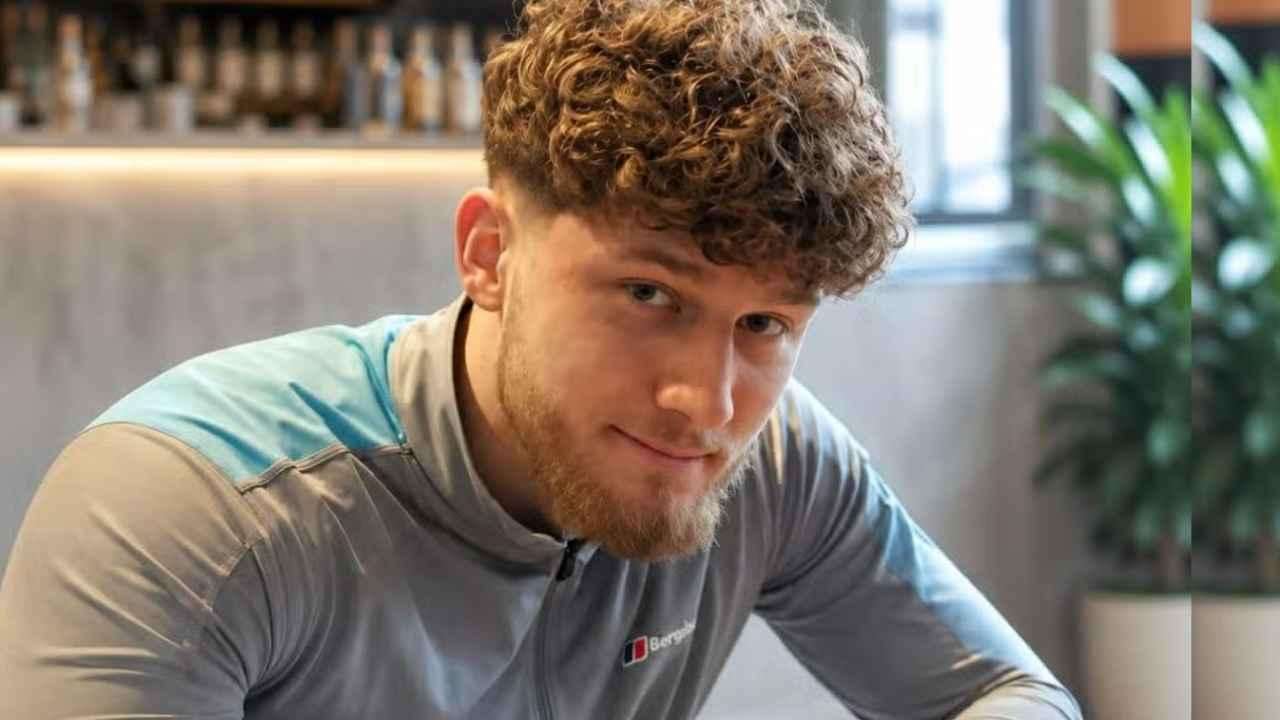
The death of University of Nottingham student Barnaby Webber during the 2023 Nottingham attacks was “potentially preventable”, an inquiry has heard, after medical experts found that faster administration of blood products could have increased his chances of reaching hospital in a condition suitable for surgery.
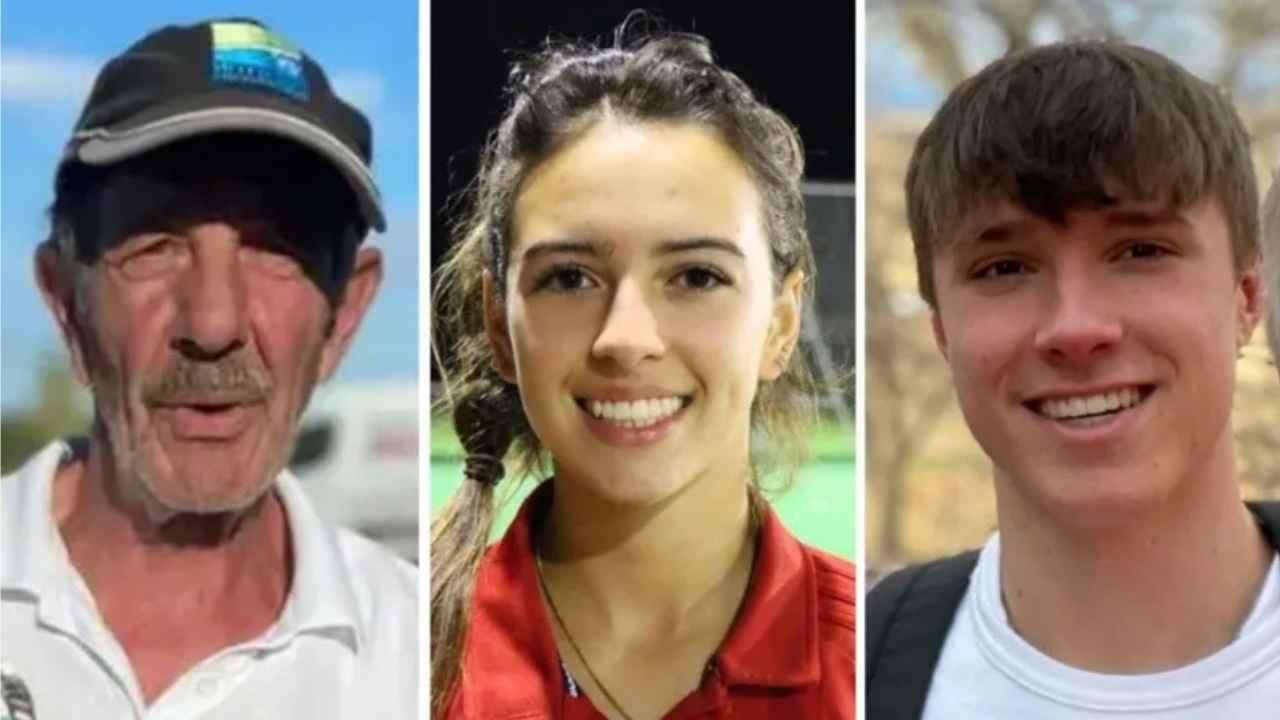
Barnaby Webber, Grace O’Malley-Kumar and Ian Coates were killed by Valdo Calocane during the attacks in Nottingham on 13 June 2023. Calocane also seriously injured three other people.
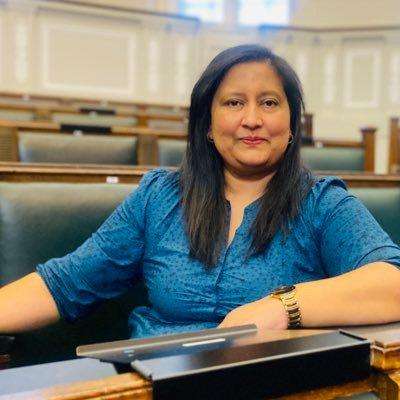
Judge Condemns Councillor Over Character Reference for Teenage Knife Attacker Azhar Alizaib
The Nottingham Inquiry was told on Tuesday that Barnaby had less than a 50% chance of surviving his injuries. A panel assessing the emergency medical response classified his death as “potentially preventable”, while the deaths of Grace and Ian were assessed as “not preventable”.
A panel of medical professionals examined the emergency response to the attacks to assess the survivability of the victims’ injuries.
Its assessment acknowledged the hard work of emergency responders who treated the victims. However, experts concluded that a more rapid administration of blood products could have increased Barnaby’s chances of reaching hospital with enough cardiac activity to undergo surgery.
The panel also stressed that earlier blood treatment alone would not necessarily have saved him. Several other rapid and specific medical interventions would have needed to take place for Barnaby to survive.
The findings were read to the inquiry by counsel Rachel Langdale KC as the families of the victims listened. The hearing became highly emotional, with relatives sobbing as the medical assessments were presented. Grace’s father, Dr Sanjoy Kumar, left the hearing room.
The medical findings came as the Nottingham Inquiry entered its closing stage following months of evidence examining what happened before, during and after the attacks.
More than 100 witnesses have given evidence, including police officers and staff, mental health practitioners, Calocane’s former flatmates and relatives, survivors and the bereaved families.
The inquiry has heard evidence concerning Calocane’s mental healthcare, his previous interactions with police and alleged failures by public agencies to respond adequately to warning signs before the attacks.
In closing remarks, Rachel Langdale KC said the evidence gathered by the inquiry had revealed repeated failures.
She also highlighted the efforts of bereaved families who had campaigned for answers and accountability following the deaths of their loved ones.
Langdale told the inquiry: “Barney, Grace and Ian should be alive. And the survivors - uninjured.”
The statement reflects the families’ central argument that failures by public authorities contributed to a series of missed opportunities before the attacks.
Tim Moloney KC, representing bereaved families, focused on Calocane’s history of contact with public services between 24 May 2020 and 13 June 2023.
He described the timeline as containing “unnoticed red flags, missed opportunities and individual and systemic failures”.
Moloney argued that authorities failed to consistently follow policies and procedures or adequately consider the potential harm associated with Calocane’s behaviour during incidents between 2022 and 2023.
He said police had been too quick to allow serious incidents to pass without further action, while clinicians had adopted a least-restrictive approach that, in the families’ view, failed to sufficiently consider the rights and safety of victims and the wider public.
The families believe that a different approach to Calocane’s behaviour could have resulted in him entering the criminal justice system or forensic psychiatric care before the attacks.
Calocane pleaded guilty to three counts of manslaughter on the grounds of diminished responsibility and three counts of attempted murder. He is currently subject to an indefinite hospital order in a high-security facility.
The inquiry has also examined the circumstances surrounding the three other people who were seriously injured during the attacks: Wayne Birkett, Sharon Miller and Marcin Gawronski.
Chair Deborah Taylor KC, a retired senior judge, separately criticised the late emergence of evidence during the inquiry process.
She said it was “disappointing” that evidence had surfaced which “ought to have been identified” and disclosed earlier. She directed core participants to provide corrections concerning errors or omissions by 31 December.
The closing submissions represent the final oral arguments to the chair. The inquiry will then consider the extensive evidence before producing its findings and recommendations.


.jpg)