





.svg)
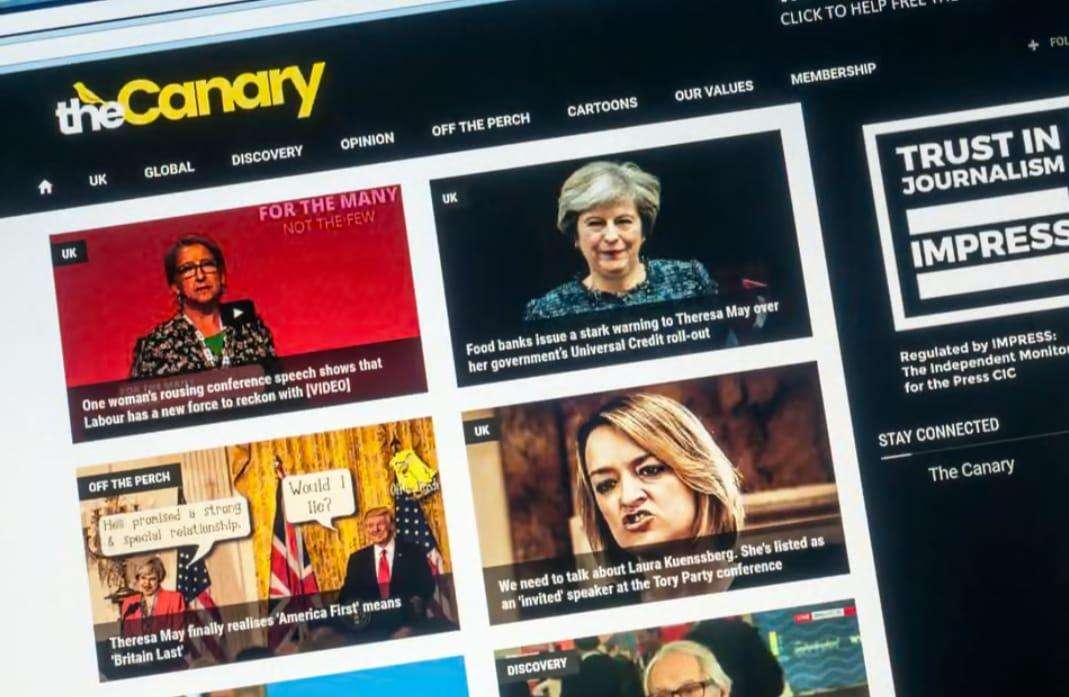
The left-wing news and investigative website The Canary has announced its indefinite closure after eleven years of publication, citing a combination of severe financial pressures, internal discord, and banking difficulties. Founded in 2015 during a peak period of political momentum for then-Labour leader Jeremy Corbyn, the digital publication stated that it could no longer sustain its operations following what it described as a vicious campaign of defamation, malicious leaks, and harassment by former employees, alongside ongoing operational hurdles. The announcement brings to an end a turbulent chapter for the independent outlet, which had built its brand on unapologetically left-wing, anti-austerity, and pro-freedom of expression commentary.
The rise of The Canary in 2015 was closely intertwined with the historic surge of grassroots left-wing politics sparked by Jeremy Corbyn's leadership campaign within the UK Labour Party. As a platform that unapologetically championed radical democratic reform and challenged mainstream media narratives, the website quickly attracted a massive digital following. While the publication operated independently of the Labour Party machinery, its ideological trajectory mirrored the broader enthusiasm of the Corbyn era. The connection to that era remains a key part of its history, reflecting how alternative digital media expanded rapidly during a time of intense political polarization in Britain, before facing subsequent sustainability hurdles as political landscapes and funding models shifted.
The immediate catalysts for the closure involved severe operational and financial crises that mounted throughout the year. Earlier in the year, management reported that Lloyds Bank had unexpectedly frozen access to a substantial portion of the company's funds, severely crippling its day-to-day cash flow. Daily Dazzling Dawn understands that these financial bottlenecks led to acute difficulties in meeting payroll commitments for roughly 50 full-time and part-time staff, as well as external contractors. Furthermore, reports surfaced regarding unpaid pension contributions flagged by the National Employment Savings Trust, compounding the institutional pressure on the struggling digital publisher.
While leadership pointed the finger at external state hostility and attacks from critics, dissenting journalists within the organization painted a different picture of internal mismanagement. Staff members represented by the National Union of Journalists claimed that financial difficulties were exacerbated by questionable spending choices over the summer, during which an injection of over two million pounds was allegedly squandered on short-lived media side-projects and auxiliary website acquisitions. Employees also raised concerns regarding non-negotiable non-disclosure agreements introduced by management. Despite chief executive Steve Topple assuring staff that permanent employees and eligible freelancers had been largely brought up to date on back pay, the accumulated reputational damage and depletion of resources proved fatal, leading to the definitive suspension of the outlet's operations.