

.svg)
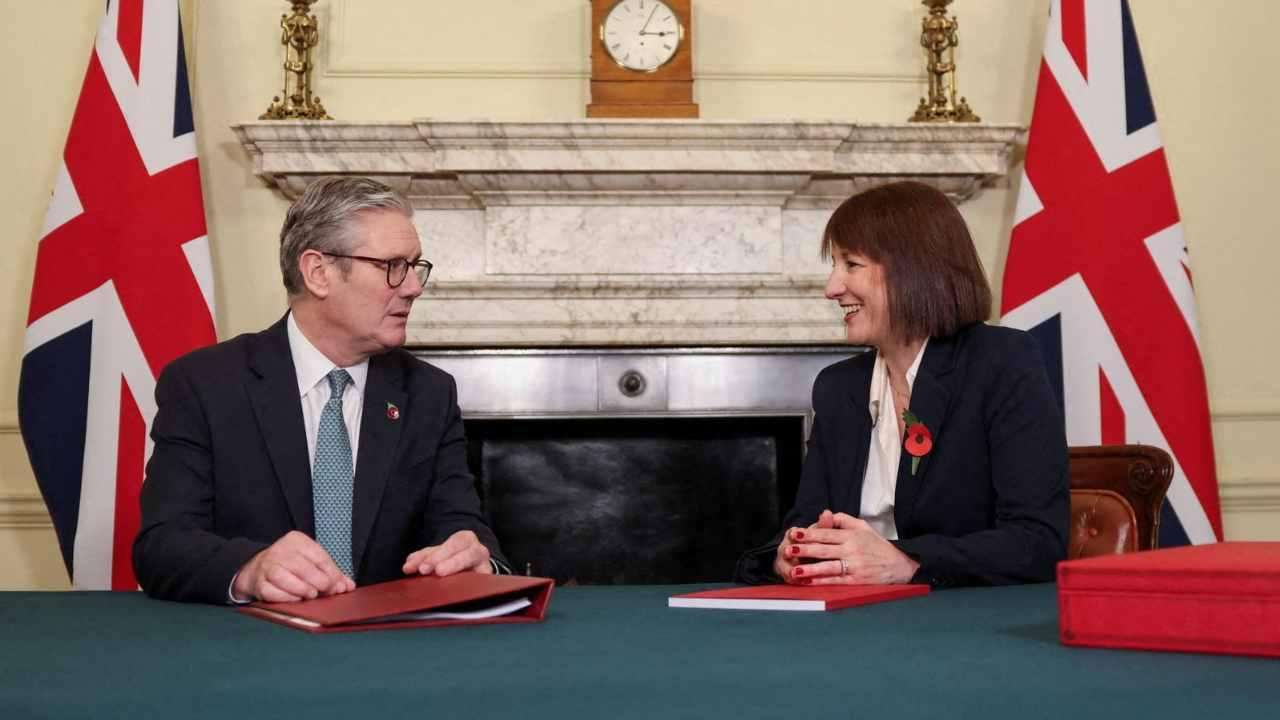
Prime Minister Sir Keir Starmer is set to deliver a speech today defending the government's budget decisions after criticism over extensive tax increases and allegations that the chancellor misled the public about the nation’s finances.
According to Downing Street, Starmer will outline how the budget — which introduced £26bn in tax rises — advances the government’s broader plan for “national renewal” and sets Britain on the “right economic path.”
He will also confirm that ministers will renew their efforts to overhaul what he calls a “broken” welfare system. Earlier this year, Labour MPs forced the government to reverse plans to tighten eligibility for Personal Independence Payments (PIP).
Reeves denies misleading the public
Starmer will argue that the welfare system is failing young people by keeping them “not just in poverty, but out of work.” He will say the government intends to invest in apprenticeships and guarantee job or training offers for unemployed young people but insists that welfare reform is essential for genuine renewal.
“This isn’t about defending a broken status quo or trying to appear politically tough,” he will say, accusing the previous Conservative government of allowing welfare spending to balloon by £88bn, while failing to support vulnerable young people.
He will stress that ignoring issues such as mental health, disability, or neurodivergence early in life traps people in long-term unemployment, harms productivity, and wastes national potential. Starmer will say this is why former Labour minister Alan Milburn has been asked to examine youth inactivity and support reforms that “unlock potential.”
The speech follows Conservative criticism branding the budget “Benefits Street,” a response to the decision to remove the two-child benefit cap from April — a move costing £3bn.
Push for growth and deregulation
Starmer is also expected to strongly defend the overall budget, arguing that it supports households through measures like energy-bill reductions and frozen rail fares, strengthens economic stability, and protects investment crucial for long-term growth.
He will say economic growth is surpassing forecasts but insists the government must act “further and faster.”
He will reiterate plans to roll back regulation across the economy — presenting deregulation as both pro-business and a tool to lower the cost of living. He will confirm reforms to speed up nuclear power construction after a regulatory taskforce concluded that unnecessary rules and “misguided environmental regulation” had made the UK the most expensive place in the world to build nuclear plants.
Business secretary Peter Kyle will be appointed to apply a similar deregulatory push across major infrastructure projects.
Conservative backlash
Shadow chancellor Sir Mel Stride dismissed Starmer’s claims, accusing Labour of raising taxes to fund a “welfare splurge” and punishing workers. He also accused Chancellor Rachel Reeves of misleading the public about a fiscal “black hole.”
His criticism refers to Reeves’ 4 November speech, where she justified tax rises by citing a £16bn productivity downgrade identified by the Office for Budget Responsibility (OBR).
However, the OBR disclosed on Friday that it had informed the Treasury earlier that a £4.2bn surplus existed — prompting accusations that Reeves misrepresented the situation.
When asked directly whether she lied, Reeves replied: “Of course I didn’t.”
She said the budget was designed to tackle living costs, protect NHS spending, and reduce debt, arguing that £4bn of fiscal headroom was insufficient and that tax increases were necessary given the productivity downgrade.
But Conservative leader Kemi Badenoch escalated the criticism, accusing Reeves of “making a mess of the economy” and claiming she “has told lies,” adding that Reeves should resign.
Budget breach under review
The heated lead-up to the 26 November budget was capped by an unprecedented incident where the OBR accidentally published its assessment of the chancellor’s measures 45 minutes early, triggering an investigation into the breach.


.jpg)