






.svg)
The sight of a minuscule, one-bedroom terraced house wedged between two larger properties, priced at an eye-watering £575,000, is no longer a curiosity in London—it is a stark, tangible symbol of the capital's escalating housing crisis. For millions of Londoners earning a full-time income, this seemingly 'minimum lowest price' entry point for a single-person dwelling now represents an insurmountable barrier to owning a home in the city they service, Daily Dazzling Dawn understands.
In an economic climate defined by persistently high inflation and the subsequent relentless rise in the cost of living, the basic financial equation for homeownership in London has fundamentally broken down. A £575,000 price tag, even for a compact 613 sq ft property near East Putney tube station, demands a monumental deposit and subsequent mortgage payments that dwarf the disposable income of even well-salaried professionals. The required income multiple, coupled with the rising cost of servicing a mortgage as interest rates respond to inflation, renders the deposit-saving process and subsequent monthly repayments almost impossible without substantial external family wealth.
This compact dwelling, created through an architectural 'infill development' on the site of a former garage, spans three floors—a master suite with a 'rainforest-style shower' on the ground floor, an open-plan kitchen and reception on the first, and a study and roof terrace on the second. It is a testament to clever design, with owner Paul Crowther's brief demanding the designer 'imagine it's a boat and I want maximum storage.' Russell White of Winkworth's Putney office highlights its self-contained nature and appeal for a first-time buyer or a 'downsizer,' yet this optimistic framing masks the grim reality: for hundreds of thousands, this is their only 'affordable' entry point, yet it remains financially inaccessible.
While official figures note a slight fall in the average London house price to around £556,454, and a consistent underperformance against the rest of Britain since 2016, the local market's pressure points remain extreme. The struggle is further evidenced by a dramatic increase in sellers selling at a loss, rising from six per cent in 2016 to 14 per cent in 2025, suggesting a volatile and stressed market rather than a buyer's paradise.
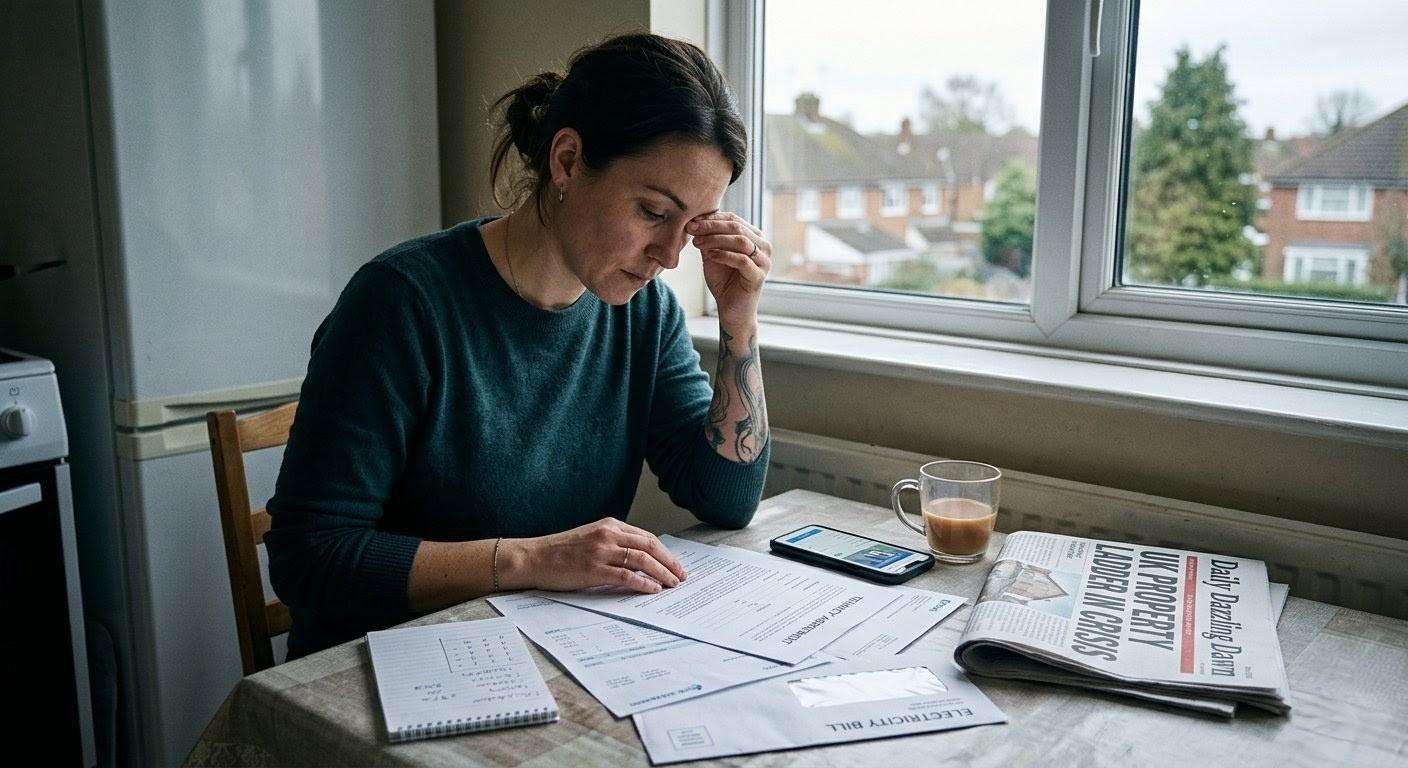
The problem is not a lack of full-time employment; it is the corrosive intersection of stagnant real wages and an untouchable property price floor. This £575,000 one-bedroom house exemplifies how the minimum price of entry for even the most 'slimline' of properties crushes the aspirations of London’s essential workforce.
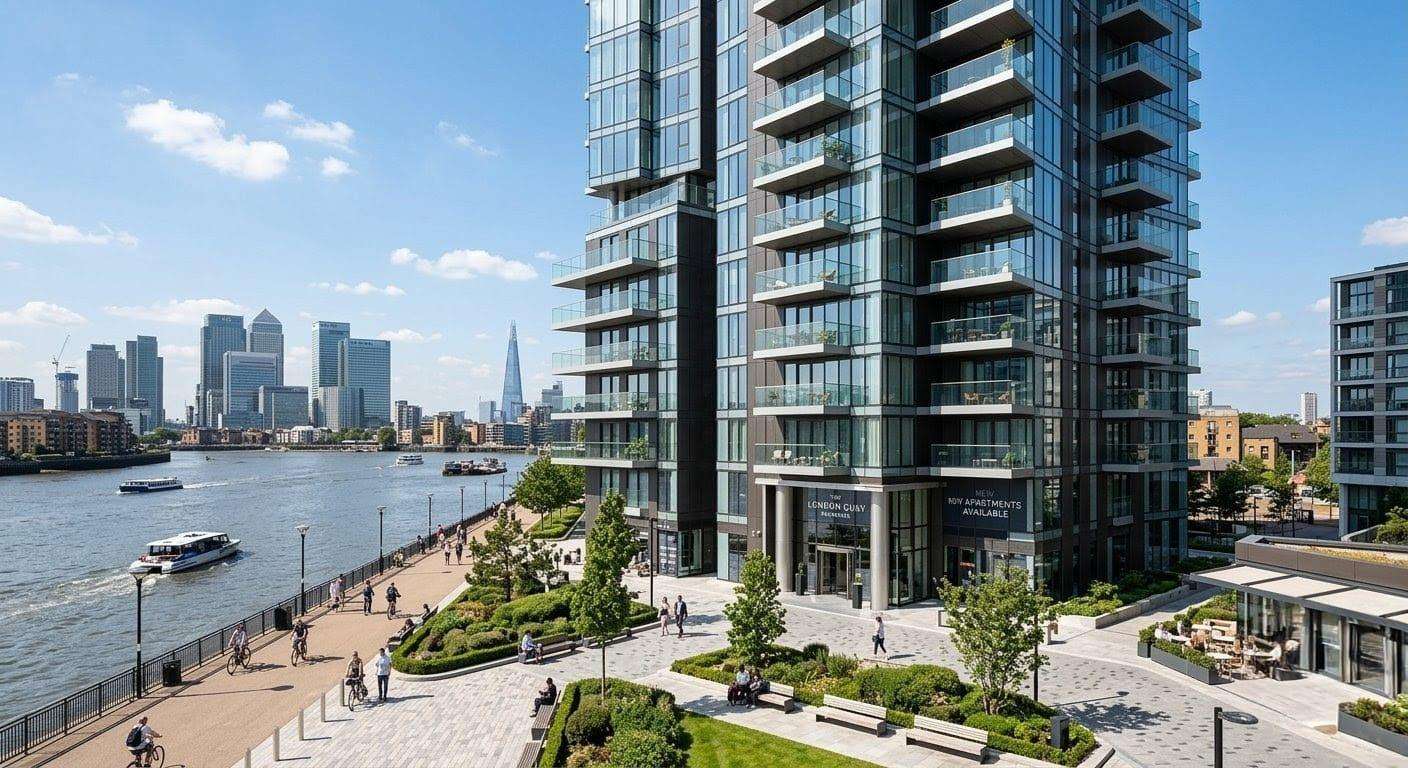
For instance, a teacher, a nurse, or an entry-level professional in the technology sector, despite earning above the national average, must now compete against the gravitational pull of hyper-concentrated wealth. The ability to save a five-figure deposit while simultaneously paying London's world-leading rents—another direct consequence of the housing shortage—is a catch-22 that traps full-time earners in a permanent cycle of tenancy. The rise of these quirky compact properties, squeezed into the city's 'nooks and crannies,' illustrates the premium placed on every square inch of the capital, a premium that full-time salaries simply cannot meet. This reality transforms the dream of homeownership into a persistent, unachievable fiction.