





.svg)
Dazzling Dawn Fact Check: Tower Hamlets Budget Crisis
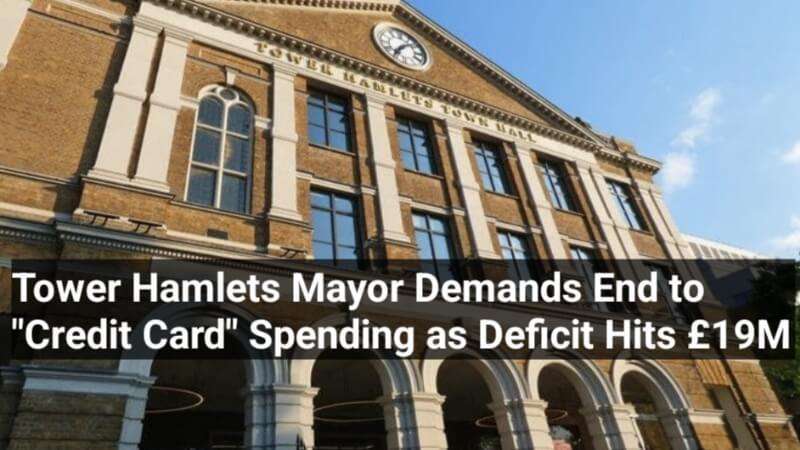
The Claim: Tower Hamlets Council is facing a nearly £19 million overspend and Mayor Lutfur Rahman has warned officials that the borough "cannot live beyond its means."
The Verdict: Verified. Official cabinet reports from December 2025 confirm that the London Borough of Tower Hamlets is currently forecasting a net overspend of £18.9 million for the 2025/26 financial year. This represents a significant jump from the £14.7 million deficit projected just three months ago in September. The primary drivers are non-discretionary: a surge in demand for temporary accommodation and statutory adult social care. While Mayor Rahman has adopted a "tough love" rhetoric regarding fiscal discipline, our investigation shows the council is utilizing approximately £18.8 million in departmental reserves and seeking £19.1 million in funding substitutions to stabilize the immediate balance sheet.
Tower Hamlets Mayor Imposes Fiscal Discipline as Budget Deficit Hits £19 Million
In a stern address to Town Hall chiefs this week, Tower Hamlets Mayor Lutfur Rahman issued a directive for immediate cultural change in council spending, warning that the local authority must cease "living on credit cards" as a new assessment revealed a looming £18.9 million budget gap. The deficit, which has widened by more than £4 million since September, highlights the escalating financial pressure on East London as the national housing and social care crises reach a breaking point.
The latest financial health check for the first half of the 2025/26 financial year shows that the council is grappling with costs that are far outstripping original estimates. Despite the Mayor’s insistence that Tower Hamlets remains in a stronger position than many of its neighbors, the underlying data suggests a borough squeezed by statutory obligations. Under UK law, councils must provide support for the homeless and vulnerable, yet the cost of these services has spiked due to record-high inflation and a shortage of affordable housing.
Mayor Rahman’s rhetoric during the Wednesday cabinet meeting signaled a shift toward austerity-like management within the executive. He emphasized that the council cannot rely on government "handouts" or "credit," a clear nod to the 74 other UK councils currently expected to apply for Exceptional Financial Support from the central government. While Tower Hamlets has not yet reached the point of requiring a Section 114 notice—the local government equivalent of bankruptcy—the Mayor is demanding a "culture of tighter spending" to ensure the borough retains its financial independence.
To mitigate the crisis, the council has launched an aggressive cost-cutting strategy. David Joyce, the Executive Director for Housing, confirmed plans to move away from expensive, "nightly-paid" temporary accommodation such as bed and breakfasts. Instead, the council is attempting to secure 500 direct-rental homes and repurpose its own property portfolio to house families facing homelessness. Officials believe this transition will provide better quality housing while significantly reducing the drain on the general fund.
However, the savings measures extend beyond housing. The council has implemented a total freeze on agency staff recruitment and is beginning a controversial review of high-cost adult social care packages. While officers insist that reductions will be managed "safely," the move underscores the desperate search for savings in departments that provide essential support to the elderly and disabled.
Finance leads noted that while some departments are overspending, others are currently under budget, providing a small buffer. Additionally, the council is drawing heavily on its "risk reserves" to cover the current shortfall. While the Mayor remains defiant that Tower Hamlets will weather the storm without a government bailout, the rising demand for services in one of London's most deprived boroughs continues to test the limits of his "living within means" mantra.