




.svg)
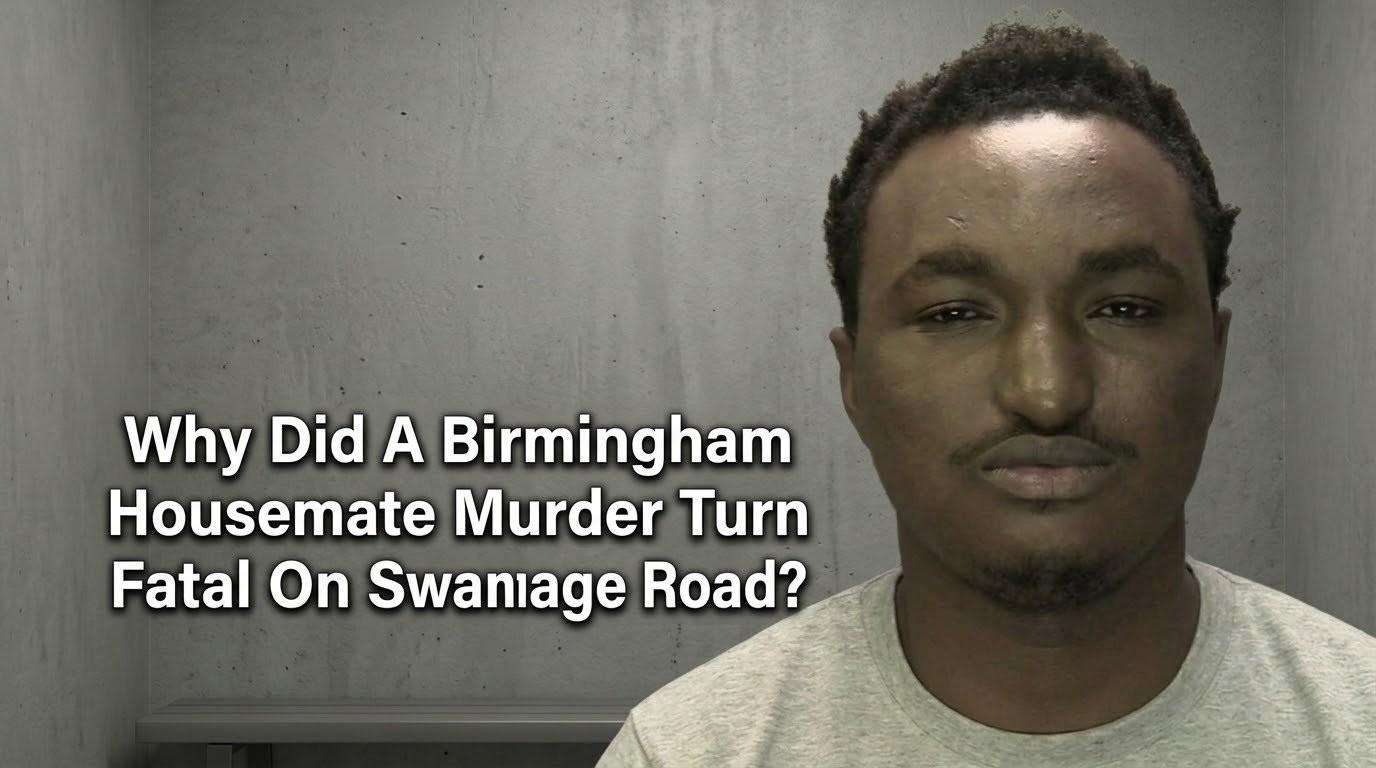
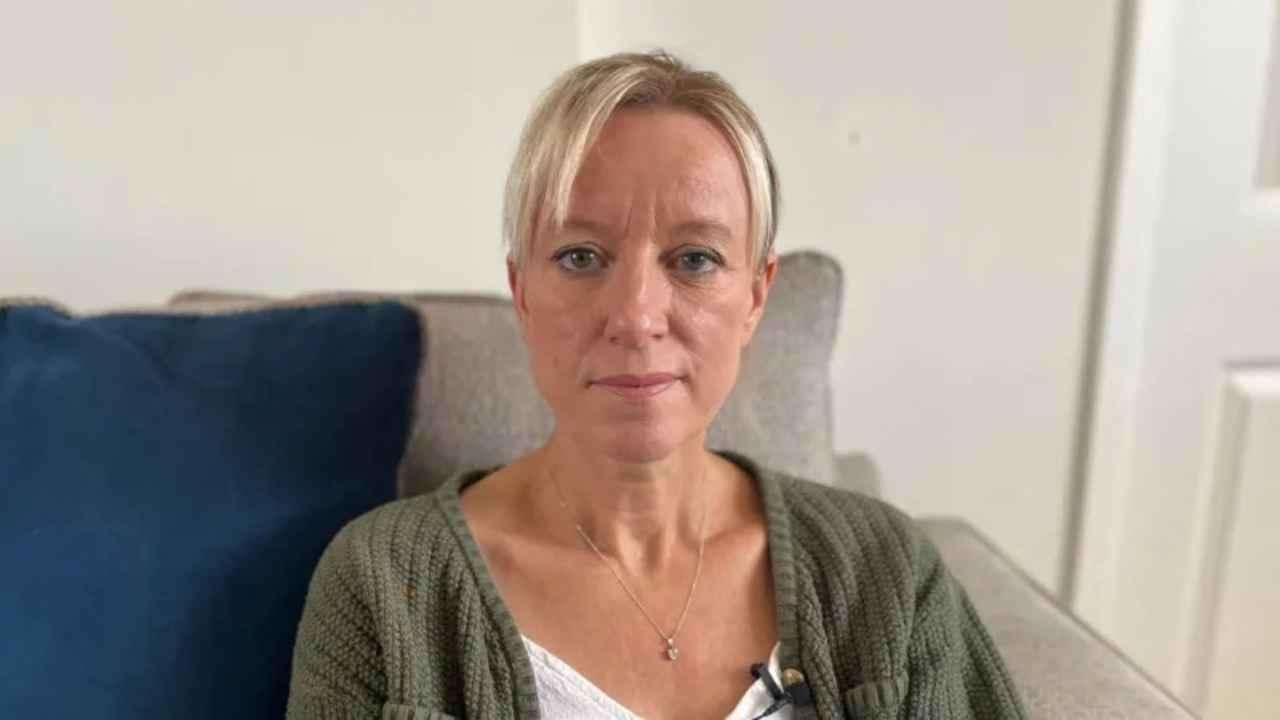
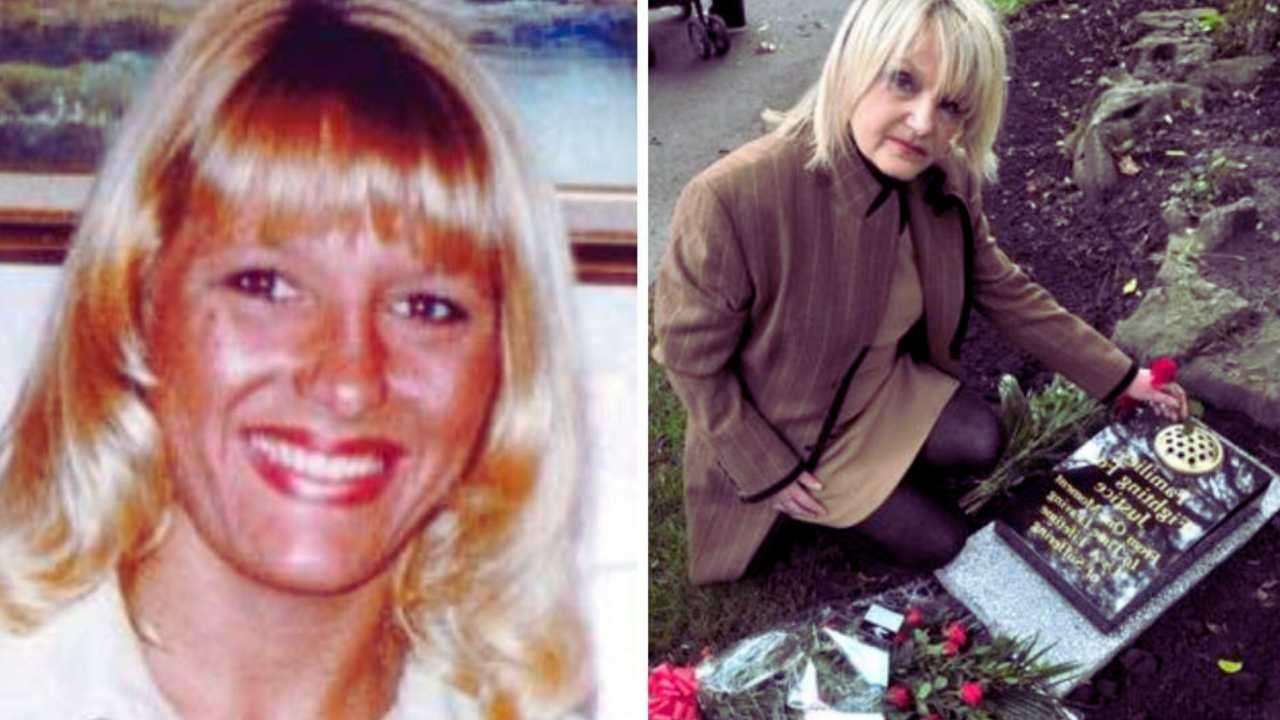
The mother of a woman murdered in Wirral more than two decades ago has started a public petition in a bid to prevent the planned release of her daughter’s killer.
Chantel Taylor, 27, a mother of three, was killed in Birkenhead on March 13, 2004. Her mother, Jean Taylor, has renewed her campaign for justice after the Parole Board confirmed that Steven Wynne — the man convicted of the crime — is set to be released.
Wynne, who had previously been discharged from the Army due to drug use, had reportedly been drinking alcohol and taking cocaine on the night of the killing. While walking home, he encountered Ms Taylor, whom he had known from school. The pair later went to his home on Elmswood Road.
According to court proceedings, Wynne claimed that when Ms Taylor attempted to leave his house, he accused her of stealing heroin he intended to sell. During a confrontation, he fatally attacked her. He later dismembered her body and concealed the remains. To this day, Chantel Taylor’s body has never been recovered.
Wynne was only apprehended after attempting to set fire to a mosque in Birkenhead in 2005. He was subsequently convicted and, in 2006, sentenced to life imprisonment with a minimum term of 21 years. That tariff was later reduced to 18 years following an appeal.
Despite the fact that Ms Taylor’s remains have never been found, the Parole Board recently confirmed that a panel had directed Wynne’s release following an oral hearing.
In response, Jean Taylor has launched a petition urging authorities to overturn the decision. In her statement, she said her daughter was “brutally murdered and dismembered,” and argued that releasing Wynne without the recovery of Chantel’s remains poses a serious public protection concern.
Jean is also campaigning for what she calls “Chantel’s Law.” The proposed legislation would impose a mandatory life sentence with a minimum term of 40 years for offenders who murder and deliberately conceal, destroy, or dismember a victim’s body. The proposal also aims to prevent offenders from benefiting in parole decisions if they withhold information about the location of remains.
Speaking about her campaign, Jean said families of victims deserve certainty and justice, adding that offenders should not be able to manipulate the system by providing false or incomplete information about missing remains.
In a recent interview, she described the release decision as an “insult” to her daughter’s memory. She questioned why the man convicted of killing her child should be able to rebuild his life and spend holidays with family, while she continues to live without her daughter.
A spokesperson for the Parole Board defended the decision-making process, stating that parole assessments focus solely on evaluating the risk an offender may pose to the public if released. The board considers extensive evidence, including reports from probation officers, psychologists, and other professionals, as well as the impact on victims. Officials emphasised that protecting the public remains their top priority.
The case has reignited debate over sentencing laws and parole decisions in cases where victims’ remains have never been found, with campaigners calling for stricter measures to prevent similar outcomes in the future.