




.svg)
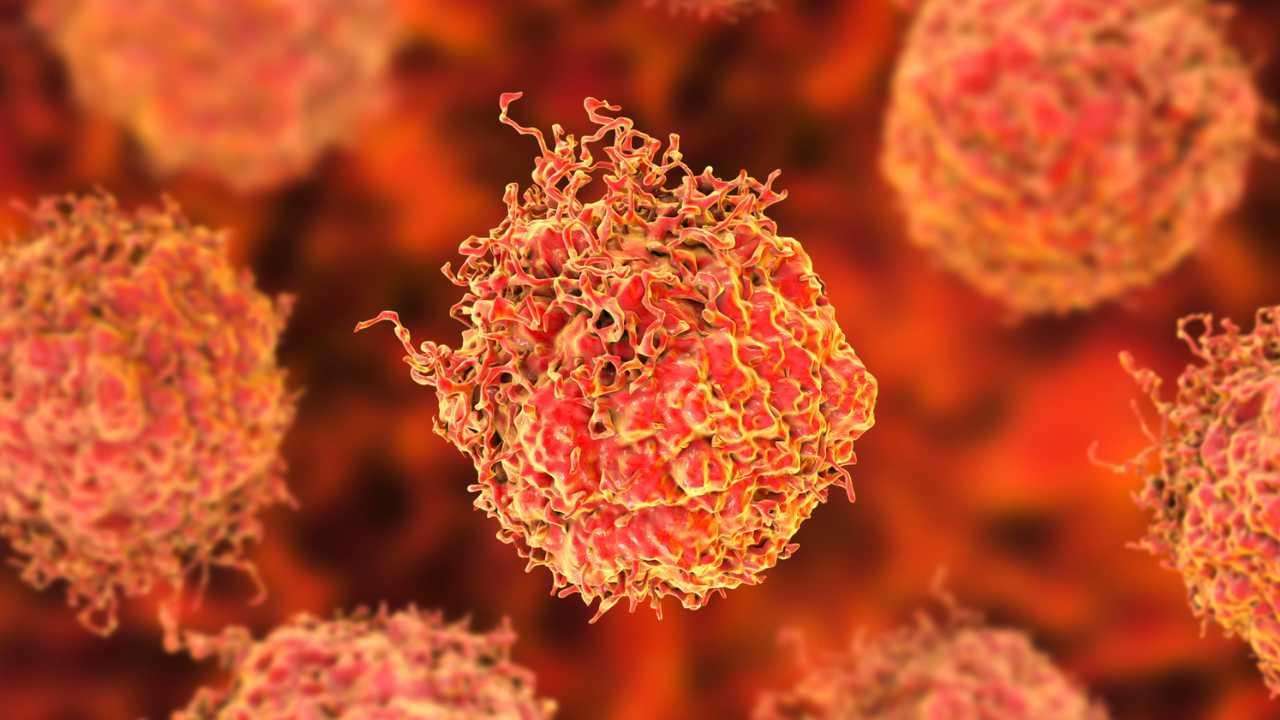
A new experimental drug for advanced prostate cancer has delivered encouraging results in an early-stage clinical trial, with researchers reporting significant tumour shrinkage in several patients.
Prostate cancer remains one of the most commonly diagnosed cancers among men worldwide, affecting approximately 1.5 million men each year. While immunotherapy has transformed treatment options for several cancers, it has historically shown limited success against prostate cancer, often described as an “immune-cold” disease because it tends to resist immune-based treatments.
Now, scientists have revealed early findings from a phase one clinical trial of an immunotherapy drug known as VIR-5500. The study suggests the treatment could offer renewed hope to men with advanced prostate cancer who no longer respond to standard therapies.
The research was led by Prof Johann de Bono of the Institute of Cancer Research and The Royal Marsden NHS Foundation Trust. He described the findings as potentially groundbreaking, saying such treatments could one day lead to long-term cures.
VIR-5500 is an engineered antibody designed to link the body’s cancer-fighting T-cells directly to tumour cells. Known as a “T-cell engager,” the drug enables immune cells to identify and destroy cancer cells more effectively. Unlike earlier versions of similar treatments, VIR-5500 is engineered to activate specifically within the tumour environment. This targeted approach appears to reduce side effects and allows the drug to remain in the bloodstream longer, potentially requiring fewer doses.
The trial, funded by Vir Biotechnology, involved 58 men with advanced prostate cancer whose disease had progressed despite other treatments. Researchers reported that 88% of participants experienced only mild side effects.
At the highest dose level tested, the results were particularly striking. Among 17 men receiving the top dose, 82% experienced a reduction of at least 50% in prostate-specific antigen (PSA) levels — a key marker used to monitor prostate cancer. More than half saw PSA levels fall by at least 90%, while nearly a third experienced reductions of 99% or more.
Additionally, tumour shrinkage was observed in five of the 11 patients with measurable tumours at the highest dose. In one notable case, a 63-year-old patient whose cancer had spread to the liver saw 14 cancerous lesions completely disappear after six treatment cycles.
The findings were presented at the American Society of Clinical Oncology’s Genitourinary Cancers Symposium in San Francisco. However, the results have not yet undergone peer review, and researchers caution that larger trials are needed to confirm the drug’s effectiveness and safety.
Independent experts have welcomed the development. Professor Charlotte Bevan of Imperial College London described the results as potentially transformative, though she stressed the importance of including diverse patient populations in future studies to address disparities in prostate cancer outcomes.
Simon Grieveson of Prostate Cancer UK also called the trial “exciting,” noting that more than 12,000 men die from prostate cancer each year in the UK alone. He emphasized the urgent need for innovative treatments and expressed hope that larger trials will confirm the drug’s promise.
Further clinical trials are now being planned to evaluate VIR-5500 in a broader group of patients. While early-stage research often requires cautious optimism, scientists say the initial findings mark a significant step forward in the search for new therapies against advanced prostate cancer.