





.svg)
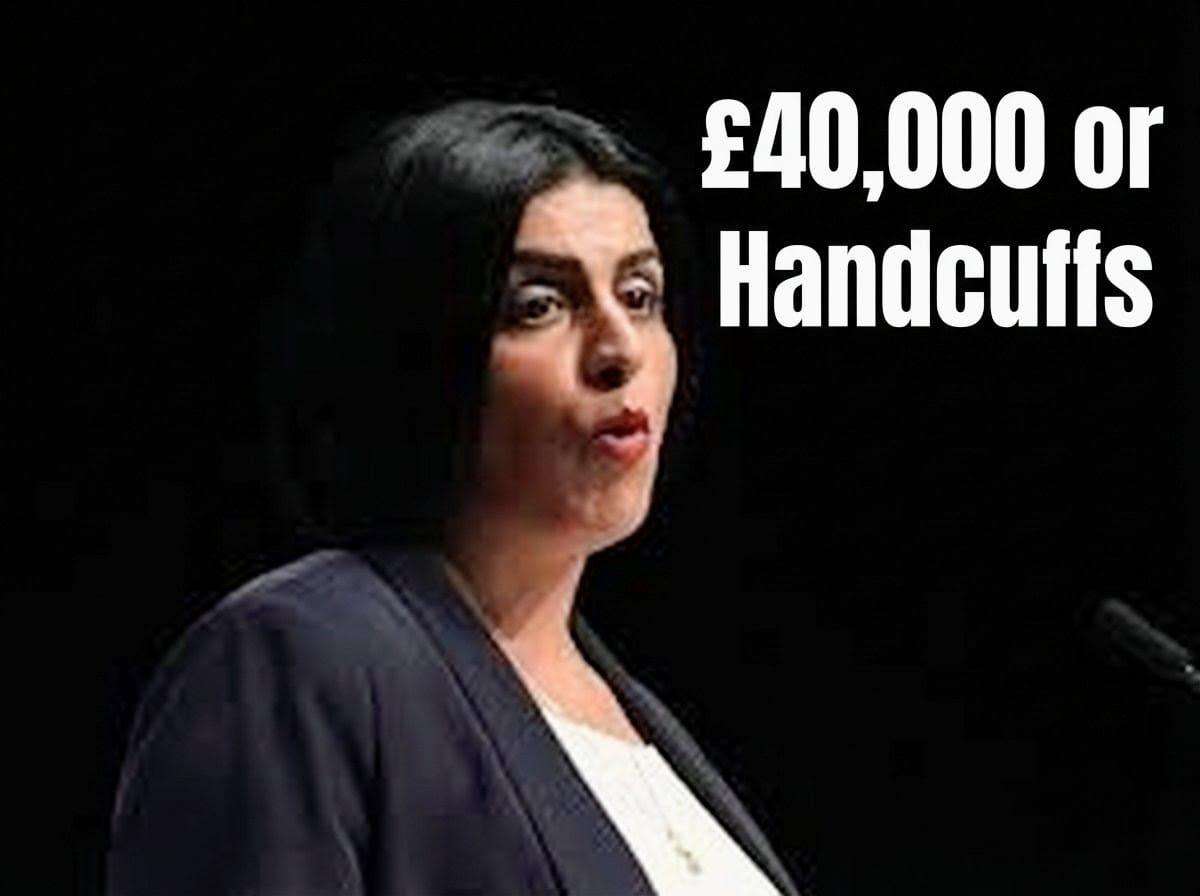
The Home Office has shifted to a high-pressure enforcement model, presenting an initial 150 asylum-seeking families with a stark choice: take a life-changing sum of money to leave voluntarily now, or face a future of restricted legal rights and physical removal. Under a new pilot scheme inspired by Danish policy, families are being offered £10,000 per person, totaling up to £40,000 for a family of four, provided they agree to depart within a strict seven-day window.
The Home Secretary, Shabana Mahmood, confirmed that this "enhanced" financial support is a one-time offer. Families who fail to "opt-in" within the week will not only forfeit the cash but will be immediately prioritized for the "enforced removal" track. This aggressive "carrot and stick" approach is designed to clear the asylum hotel backlog, which currently costs taxpayers approximately £158,000 per year for a family of three.
The Handcuff Mandate and Forced Removals
Central to this strategy is a controversial rewrite of the "Family Returns" guidance. A new consultation document, Family Returns: Reforming Asylum Support and Enforcing Family Returns, explicitly authorizes the use of physical restraints on minors to effect a deportation. Unlike previous guidance that restricted force to safety risks, the new policy justifies the handcuffing of children as a "necessary and justified intervention" to overcome "non-compliance" during the boarding of aircraft. This signals that passive resistance from children will no longer be viewed as a barrier to completing a family's removal.
Legislative Shutdown: The One-Stop Appeal Model
To ensure these removals cannot be stalled by prolonged litigation, the government is moving the Border Security, Asylum and Immigration Bill through Parliament. The legislation introduces a "One-Stop" appeal model, forcing all legal challenges—including human rights and Article 8 "Right to Family Life" claims—to be raised at the very first hearing. Any grounds not raised initially will be barred from future proceedings, effectively closing the "last-minute" legal loopholes that have historically prevented deportation flights from taking off.
June 2026: The Support Withdrawal Trigger
The pressure on families will intensify further this summer through a radical change to the Asylum Support Regulations. On March 5, 2026, statutory instruments were laid in Parliament to revoke the government’s long-standing legal "duty" to house and support destitute asylum seekers.
When these rules come into force in June, support will become a "power" rather than a duty, making aid strictly contingent on compliance. Any family deemed "non-compliant"—including those who refuse to attend removal interviews or fail to provide travel documents—will see their financial aid and housing terminated. This "compliance-based" model officially turns destitution into a direct tool for enforcement.
A Backfire in the Making?
Despite the government's focus on efficiency, legal experts warn the £40,000 grant could face a significant "backfire" before the pilot even concludes. On March 6, 2026, a Pre-Action Protocol letter was issued to the Home Office signaling a Judicial Review challenge in the High Court. The challenge argues that the Executive lacks the lawful statutory authority to distribute public funds on this scale without specific Parliamentary approval. Critics also suggest that the seven-day window provides insufficient time for families to seek legal advice, potentially leading to a wave of emergency injunctions that could paralyze the very system the grants were intended to streamline.
A Hardened Enforcement Timeline
For the families receiving these notices today, the message is unambiguous: the era of indefinite stays during the appeals process is over. With refugee status now being limited to temporary 30-month blocks and support set to vanish for the non-compliant in June, the Home Office has made it clear that the consequences for remaining outside the rules will now be physical, financial, and immediate.