






.svg)
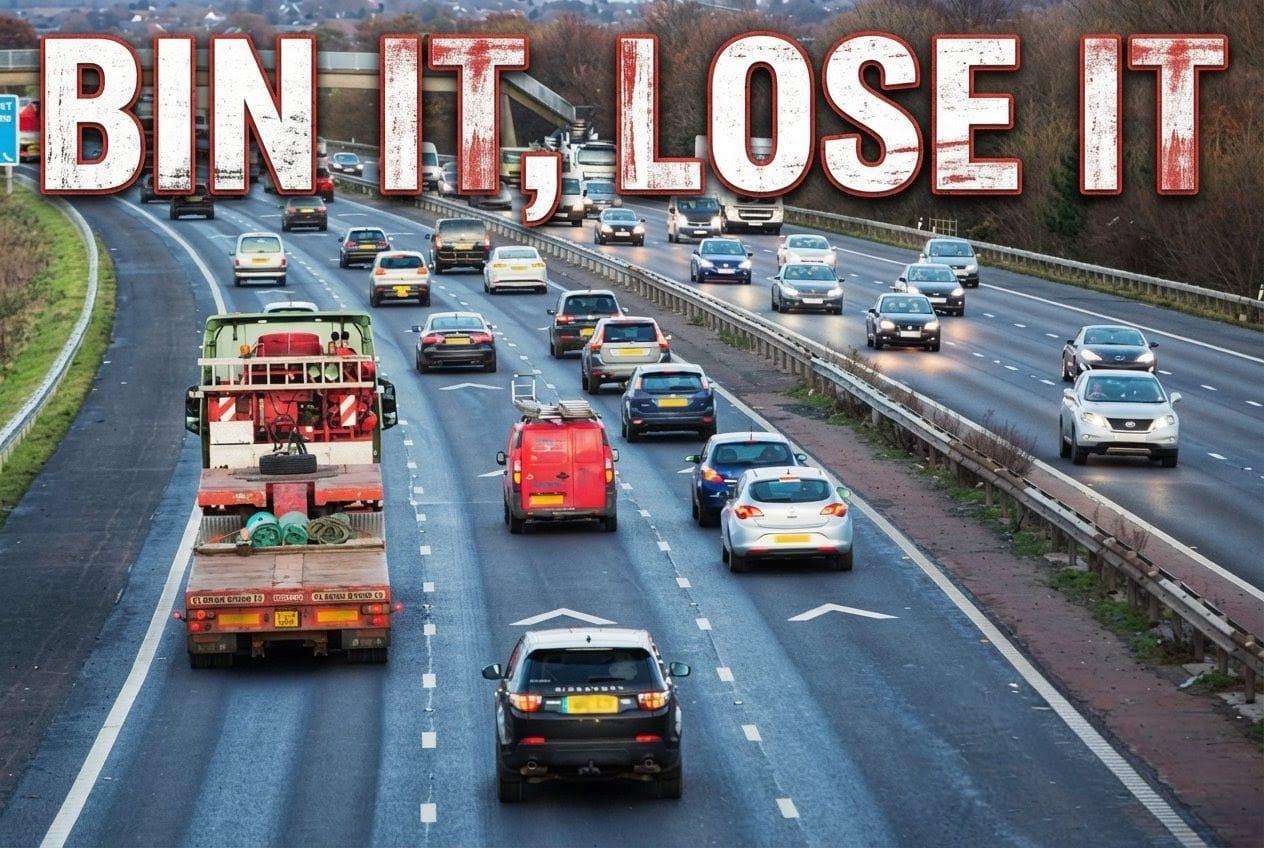
The Department for Environment, Food and Rural Affairs (Defra) is preparing to bridge the gap between traffic enforcement and environmental protection by introducing driving licence endorsements for waste-related crimes.
A New Era of Roadside Enforcement
Government officials are currently finalizing a legislative framework that treats the use of a vehicle in fly-tipping as a primary motoring offence. Unlike previous years where local authorities relied solely on fixed penalty notices, the new proposals aim to hit offenders where it hurts most: their right to drive. By adding penalty points to a licence, the Government ensures that the consequences of illegal dumping extend to increased insurance premiums and the potential for a total driving ban. This move specifically targets the logistics of waste crime, recognizing that the vehicle is the essential tool for the majority of illegal disposal incidents across the UK.
Expanding Beyond Commercial Dumping
Internal policy discussions suggest that these penalties may soon extend beyond industrial-scale dumping to include persistent roadside littering and "duty of care" failures. This means that if a householder hires an unlicensed "man with a van" who subsequently dumps the waste, both the driver and the original owner of the rubbish could face scrutiny that impacts their driving record. This broader scope is designed to choke the supply of illegal waste by making the personal stakes too high for the average motorist to risk using unauthorized disposal services.
Legal Hurdles and Financial Realities
Public discourse surrounding these measures has highlighted significant practical obstacles that the Government must address before the 2026 rollout. Critics and legal experts have pointed out that "seizing and crushing" vehicles becomes legally complex when a vehicle is under a finance agreement, as the car is technically the property of the finance company rather than the offender. Furthermore, there is growing pressure on the Government to address the root causes of waste crime, with many arguing that the rising cost of skip hire and the closure of local council tips are the primary drivers of the current crisis.
Infrastructure and Future Monitoring
To make these penalty points enforceable, a massive integration of DVLA databases with local council enforcement software is required. Moving forward, the Government plans to utilize AI-enhanced thermal imaging and motion-sensor cameras in rural hotspots to capture high-definition evidence of waste leaving a vehicle. This technological surge is part of a wider strategy to clear massive illegal sites, such as the 150-metre waste mountain near Bicester, by making the act of transporting illegal waste a high-risk activity that no driver can afford to undertake.