





.svg)
Political outreach meets deep-seated community grievance as Sydney’s Lakemba Mosque becomes the backdrop for a confrontation over foreign policy and domestic security laws.
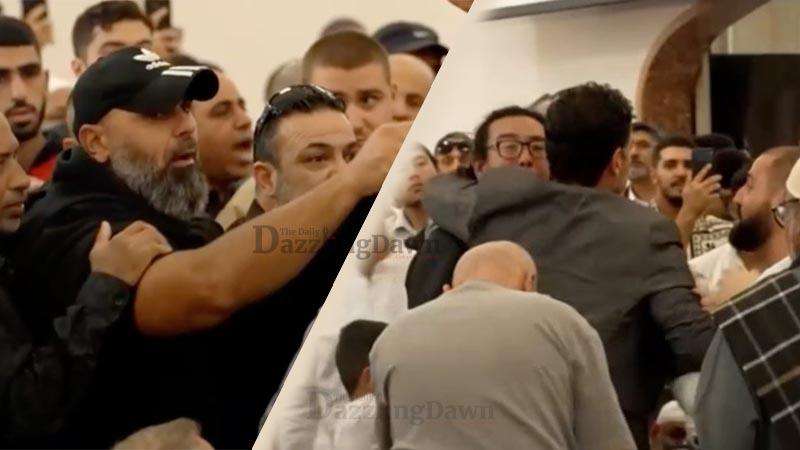
The recent visit by Prime Minister Anthony Albanese to Lakemba Mosque for Eid al-Fitr was more than a holiday gesture; it was a high-stakes encounter with a community feeling the weight of both international conflict and new domestic restrictions. While the Prime Minister publicly framed the morning as "incredibly positive," the scene inside told a story of a growing divide.
The Legislative Trigger
Beyond the immediate anger regarding the conflict in Gaza, a significant and often overlooked driver of the friction is the government’s recent move to outlaw the Islamist organization Hizb ut-Tahrir. Just weeks before this visit, the group was designated as a prohibited hate organization under new laws expedited after the Bondi incidents in late 2025. Many in the congregation view these laws as a targeted crackdown on political expression within the Muslim community, adding a layer of domestic resentment to the existing international frustrations.
Unspoken Tensions at the Pulpit
While the Prime Minister sat in the front row, Lebanese Muslim Association secretary Gamel Kheir took the rare step of using his formal address to openly challenge the government’s stance. He characterized the community as being under "unsustainable pressure," moving the event from a religious celebration to a platform for political accountability. This was not a sudden outburst by a few, but a calculated message from the mosque’s leadership that the era of using religious visits as simple "photo opportunities" has ended.
The Security Shift
The logistics of the Prime Minister’s departure revealed a notable shift in security posture. Rather than the traditional exit through the front doors to greet the thousands gathered on the steps, the Prime Minister and Home Affairs Minister Tony Burke were moved through a side exit. This maneuver was not just to avoid hecklers, but to manage a crowd that has become increasingly vocal against what they perceive as a "double standard" in Australia's defense of international allies.
Diplomatic Aftermath
Moving forward, the government faces a delicate path. With the Muslim community representing a significant and engaged part of the Australian electorate—particularly in Western Sydney—the "fine line" the administration is walking is becoming thinner. The next steps for the Albanese government will likely involve intensive, behind-the-scenes community consultations to address the fallout from the Hizb ut-Tahrir ban and the ongoing calls for a more assertive stance on Middle Eastern humanitarian issues.