





.svg)
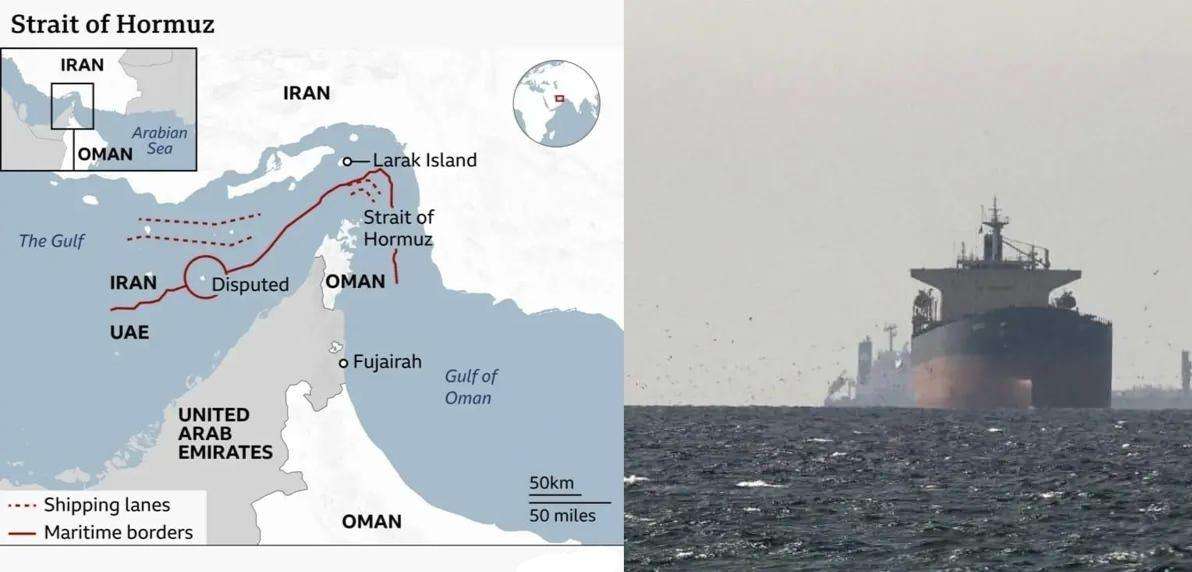
The United Kingdom has officially expanded the scope of US military operations from British bases to include direct strikes against Iranian missile sites obstructing the Strait of Hormuz.
Strategic Shift at RAF Fairford and Diego Garcia
In a significant departure from previous restrictive protocols, Downing Street confirmed on Friday that US forces are now authorized to use RAF Fairford in Gloucestershire and the joint base at Diego Garcia for "defensive operations" targeting Iranian capabilities. While the UK maintains it will not provide its own personnel for the sorties, the decision allows the US to launch B-1 bombers and long-range assets from British territory specifically to degrade the missile batteries currently holding 20% of the world’s oil supply hostage. This marks a pivot from the earlier "limited" agreement which only covered threats to direct British interests, now extending to the "collective self-defence" of global shipping lanes.
Tehran Issues "Participation in Aggression" Warning
The diplomatic fallout was immediate. Iranian Foreign Minister Abbas Araghchi communicated directly to Foreign Secretary Yvette Cooper that Tehran now views the UK as an active participant in the conflict. In a statement that has escalated regional tensions, Iran warned that providing the "launchpad for aggression" makes British assets legitimate targets for retaliation. Cooper responded by condemning Iran’s "reckless" attacks on Red Ensign vessels and neutral Gulf partners, reinforcing that the UK’s priority is the restoration of international law and freedom of navigation.
Energy Security and the $109 Barrel Crisis
The timing of the authorization follows intense pressure from Washington and the International Energy Agency (IEA), which recently described the current blockade as the "greatest energy security challenge in history." With Brent crude hovering around $109 a barrel and insurance premiums for tankers up 600%, the economic pressure on the UK government to act has reached a breaking point. Ministers noted that the continued closure of the Strait is no longer just a regional military issue but a direct threat to the UK’s domestic cost-of-living stability.
The Looming Escalation: What Happens Next
Military analysts suggest that the next 48 to 72 hours are critical. The US is expected to begin "degrading" strikes to carve out a protected corridor for tankers, a move that may involve the first major use of British-based US bombers in this theater. Meanwhile, the G7 has called for a "comprehensive moratorium" on infrastructure attacks, but with Supreme Leader Mojtaba Khamenei calling for "total resistance," the likelihood of a swift diplomatic resolution appears slim. The world now watches to see if the UK’s logistical support will successfully reopen the shipping lanes or draw Britain into a direct kinetic confrontation with Iran.