




.svg)
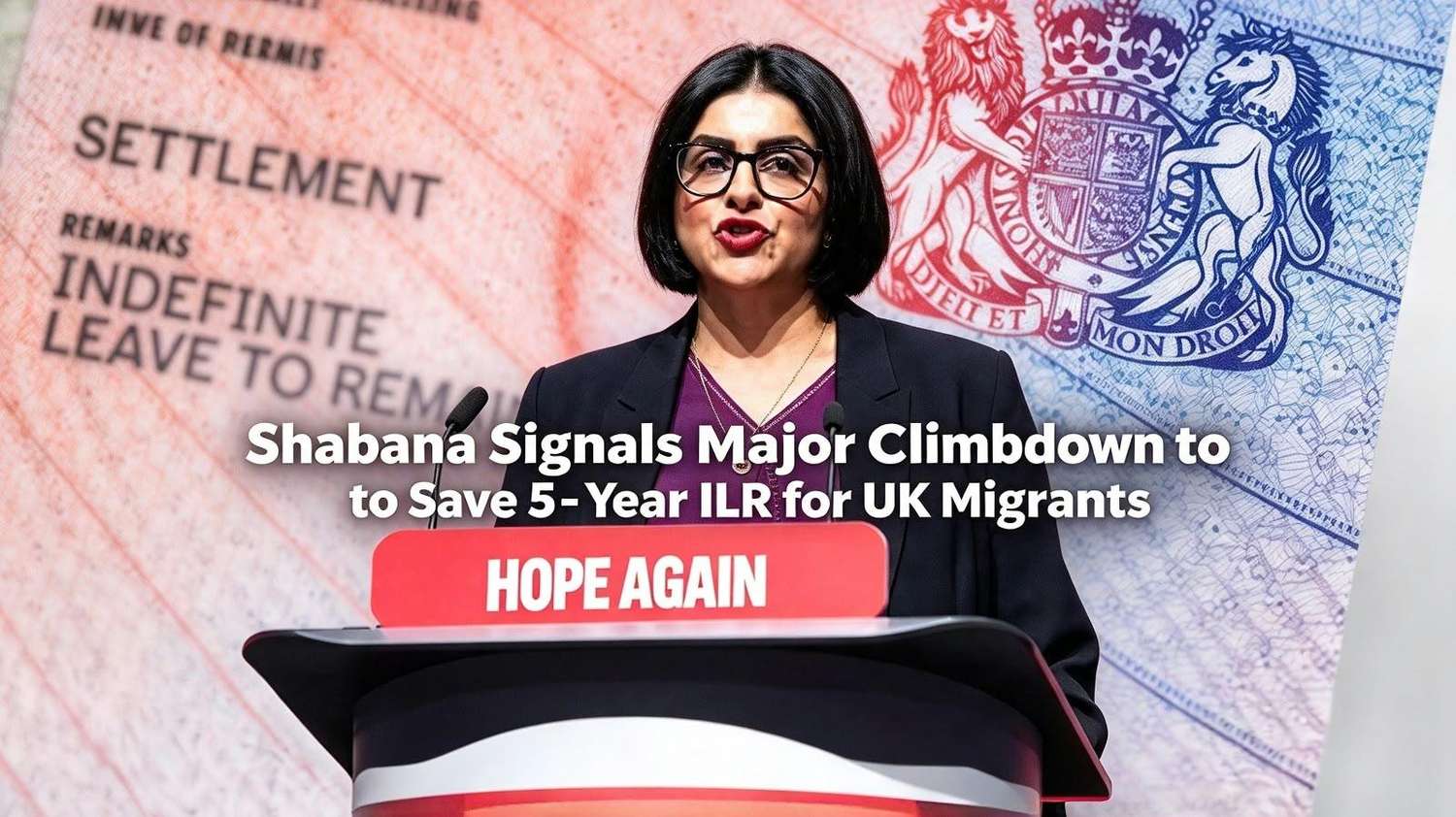
While the public gaze remains fixed on the high-profile clash between Home Secretary Shabana Mahmood and former deputy leader Angela Rayner, a deeper set of systemic and political failures is quietly dismantling the government's flagship immigration strategy. New data reveals that the resistance to Mahmood’s "firm but fair" doctrine is not merely a personality clash; it is a fundamental struggle over the fiscal and ethical soul of the Labour Party as it prepares for a brutal set of local elections this May.
The Crumbling Pillars of the 2026 Reform Package
The Home Office’s attempt to "stop the rot" through a series of radical pilot schemes is facing immediate operational friction. Most notably, the "Voluntary Family Return" initiative—which offers failed asylum-seeking families up to £40,000 to leave the UK—is struggling to gain any meaningful traction. Critics within the civil service suggest that the 150-family pilot is being shunned by those it targets, as many families fear returning to their home countries more than they value the cash incentive.
This is not the only policy hitting a wall. The newly introduced "Visa Brake," which as of March 26, 2026, suspends study and skilled worker visas for nationals from Afghanistan, Cameroon, Myanmar, and Sudan, has sparked a silent revolt among university Chancellors and tech leaders. They warn that these nationality-specific bans are damaging the UK's reputation as a global talent hub while doing little to address the existing asylum backlog. Furthermore, the plan to review refugee status every 30 months is being labeled an "administrative nightmare" by Home Office insiders who claim the department lacks the manpower to conduct hundreds of thousands of individual reassessments.
The May Election Ultimatum
The upcoming local government elections have transformed from a mid-term test into a survival threshold for the Home Secretary. Following a devastating by-election loss in Gorton and Denton where Labour fell to third place behind the Greens and Reform UK, Mahmood’s position has become precarious. If Keir Starmer’s Labour fails to secure a decisive victory in May, the Home Secretary will likely be the first casualty of a "strategic pivot" to appease the party's warring factions.
To shore up her standing before May, Mahmood is expected to pivot toward "community-led enforcement." This includes shifting the burden of support for destitute families onto local authorities—a move already being fought by Labour mayors who claim their budgets are at a breaking point. The Home Secretary is also under pressure to introduce an "accelerated settlement" route for high-earning migrants and essential public sector workers, such as doctors, to decouple them from the controversial 10-year residency requirement.
The £10 Billion Question
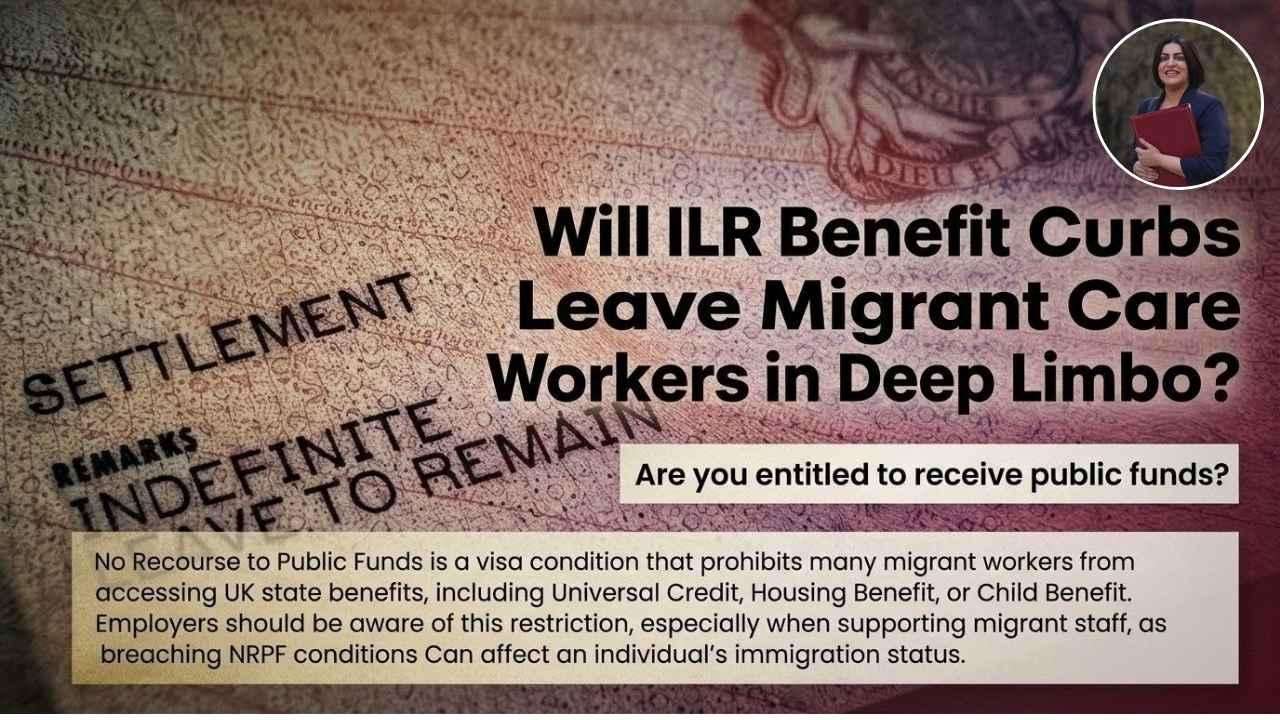
The political gravity of this moment is anchored by a looming £10 billion fiscal black hole. Projections suggest that without the proposed 10-year settlement rule, nearly 450,000 low-skilled workers will qualify for full welfare benefits by 2028. This "benefits bombshell" is the weapon Mahmood is using to silence her critics, arguing that the alternative to her hardline stance is a taxpayer-funded crisis that would alienate the very "working people" Labour claims to represent.
Read more: Hard Earned: Voters Demand 10-Year Path to UK Settlement
However, the internal opposition, bolstered by figures like Rayner and backed by over 100 backbenchers, maintains that "moving the goalposts" for those already integrated into the UK is "un-British." They argue that the social cost of creating a "permanent underclass" of migrants without access to public funds will eventually outweigh any short-term savings in the welfare budget.
What Happens Next
As the April consultation deadline approaches, the Home Office is expected to announce a "tapered" version of the 10-year rule to prevent a full-scale parliamentary rebellion. Watch for a sudden surge in deportation activity involving the "Family Exit" pilot as the government attempts to produce "success data" before voters head to the polls. The ultimate fate of Mahmood—and the direction of UK borders—now rests on whether the British public views these measures as necessary control or a desperate breach of the national "fair play" contract.