




.svg)
The UK energy sector is entering a high-alert phase as strategic logistics are recalibrated to meet a sudden 20% surge in domestic fuel consumption.
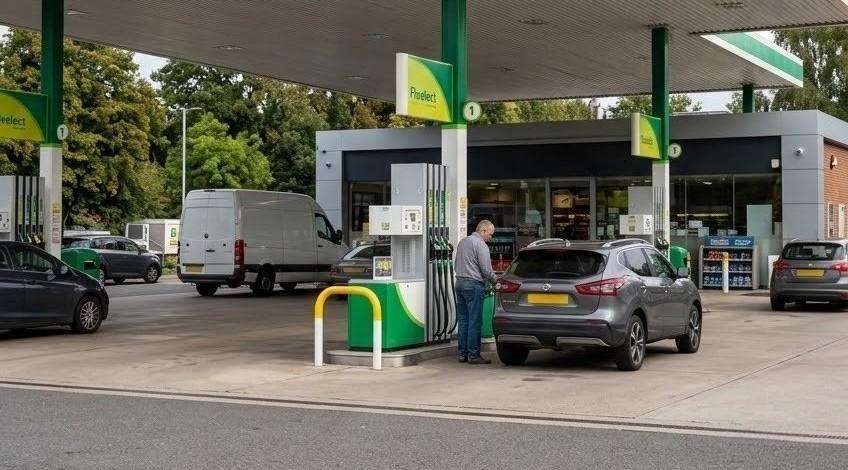
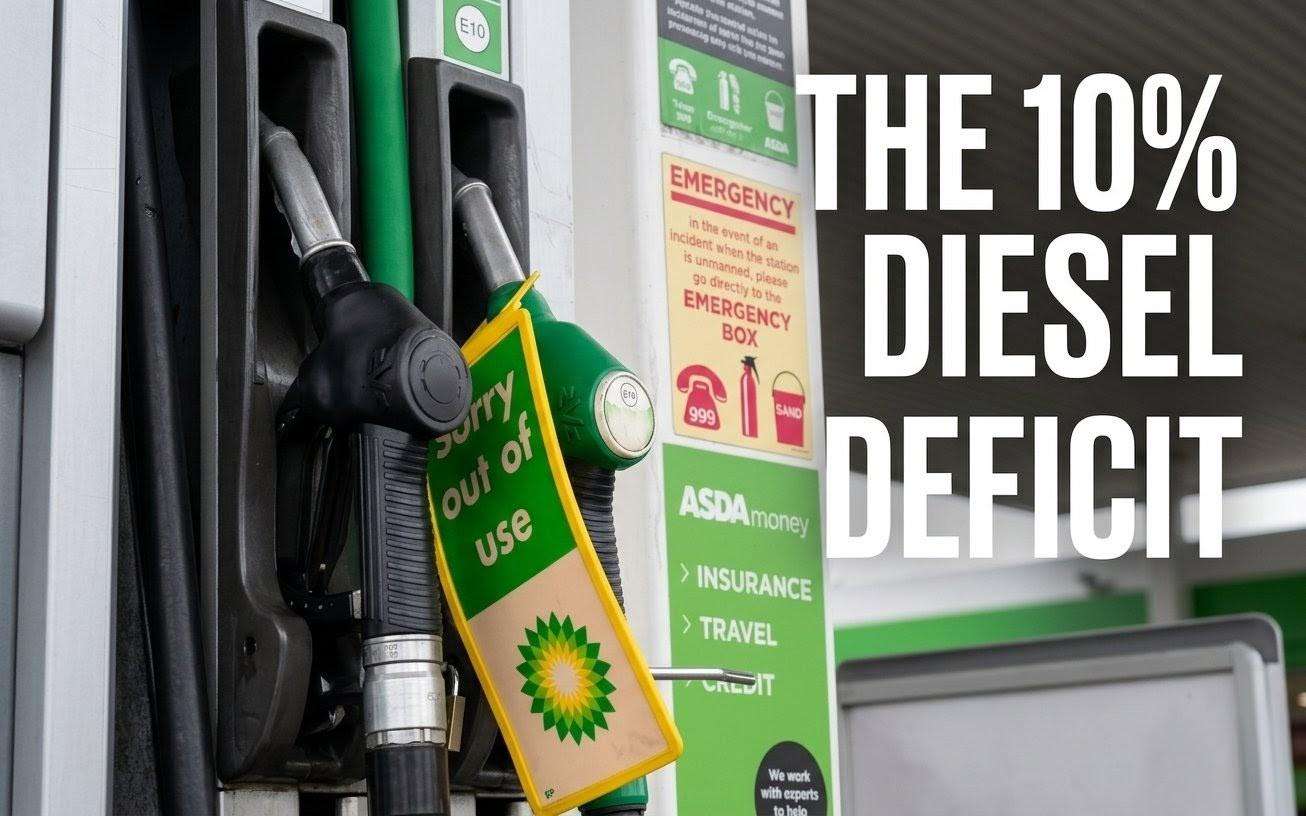
As the Easter bank holiday approaches, the UK fuel network is navigating a complex bottleneck driven by consumer behavior rather than a physical lack of national reserves. While the Department for Energy Security and Net Zero maintains that national stocks remain resilient, the immediate challenge has shifted to the "final mile" of delivery. Logistics experts indicate that the current strain on forecourts like Asda is a result of a synchronized rush to refuel, which has temporarily outpaced the scheduled replenishment cycles of HGV tankers.
The upcoming three weeks are identified by industry analysts as a pivotal window. With the RAC reporting unleaded prices hitting the 150p mark, the market is bracing for a potential secondary wave of demand as households attempt to lock in current rates before further international volatility. Internal industry data suggests that while current supply is secured for the next 30 days, any prolonged escalation in the Middle East could trigger a shift from "temporary shortages" to a formal activation of the UK’s Downstream Oil Resilience bill, which allows the government to prioritize fuel deliveries to essential services.
Looking toward mid-April, the focus shifts heavily toward diesel parity. Despite government assurances, independent supply chain monitors are watching the arrival of tankers at key terminals like Fawley and Stanlow. The next fortnight will see a strategic push to increase delivery frequency to supermarket hubs, which traditionally handle the highest volumes of traffic. For motorists, the landscape is shifting from a price-based concern to a convenience-based one, as high-turnover stations may experience intermittent "dry" periods during peak afternoon hours while waiting for overnight restocking.
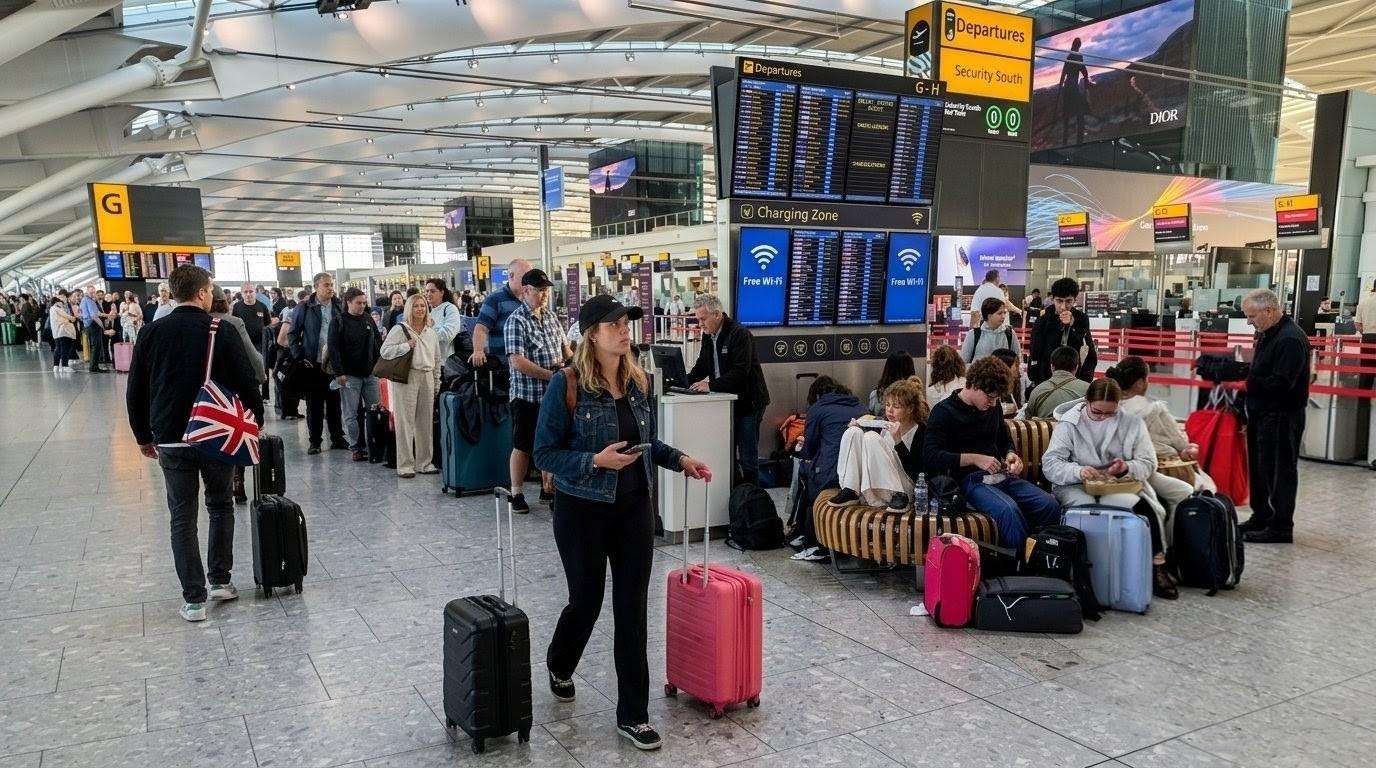
Strategic planners are currently working on contingency routing to ensure that rural areas do not suffer from the diversion of supplies to high-demand urban centers. As the conflict abroad dictates the global barrel price, the domestic focus remains firmly on preventing a logistical vacuum during the highest travel period of the spring season.