



.svg)
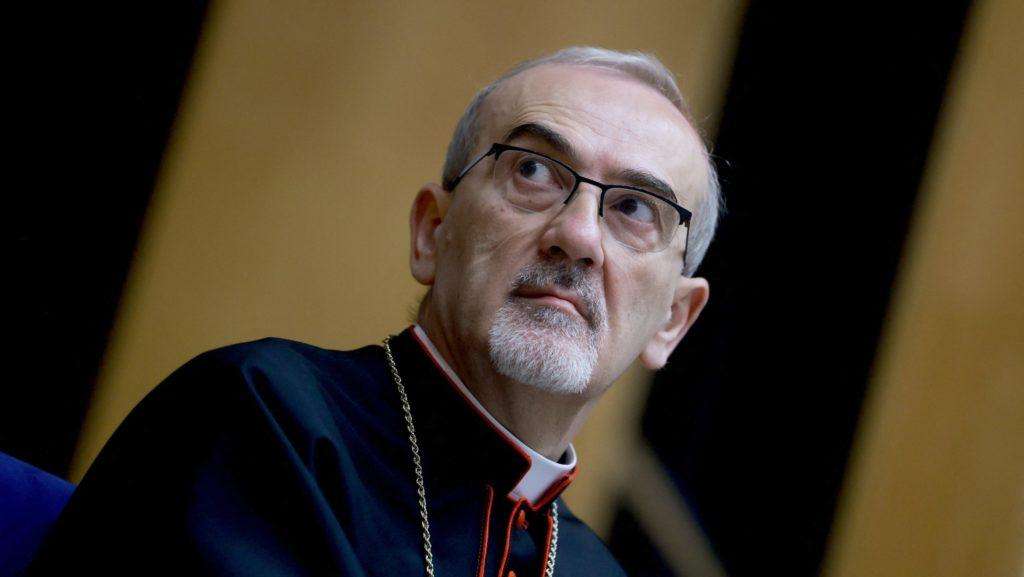
Global diplomatic tensions have escalated as France and Italy formally condemned Israel for obstructing the Latin Patriarch of Jerusalem from entering the Church of the Holy Sepulchre.
Diplomatic Fallout Over Religious Access
The decision by Israeli authorities to bar Cardinal Pierbattista Pizzaballa from the fourth-century holy site on Palm Sunday has triggered a severe rift with European allies. French President Emmanuel Macron described the incident as a targeted violation of the historical "Status Quo" agreements that govern Jerusalem’s holy sites. The French administration highlighted that these actions represent a systematic pattern of restricting non-Jewish religious practices under the guise of security. Similarly, Italian Prime Minister Giorgia Meloni characterized the move as an affront to international religious freedom, leading the Italian foreign ministry to take the rare step of summoning the Israeli ambassador for a formal reprimand.
Disproportionate Measures and Security Pretexts
While the Israeli government cited potential debris from Iranian missile fire as the primary reason for the lockdown, the Catholic Church and international observers have dismissed this justification as "grossly disproportionate." Critics argue that the restrictions are being applied selectively, as the 50-person gathering limit appears to be enforced more stringently against Christian and Muslim devotees than in other sectors. This incident follows a series of similar restrictions during Eid al-Fitr, where Muslim worshippers were barred from the Al-Aqsa Mosque, fueling accusations that the current administration is leveraging the broader conflict to alter the religious landscape of the Old City.
Future Implications for Jerusalem Sovereignty
The situation is expected to worsen as Easter approaches, with Christian leaders warning of a total breakdown in cooperation with Israeli security forces. International legal experts suggest that the continued obstruction of high-ranking clergy could lead to a formal challenge at the United Nations regarding Israel’s administration of East Jerusalem. As right-wing activists continue to push for increased Jewish prayer rights at the Haram al-Sharif, the European Union is reportedly discussing a unified framework to protect the sanctity of the Holy Places, potentially involving international monitors if the local police are deemed unable to provide unbiased access to all faiths.