



.svg)
Spain stands at a delicate sociological turning point following a week where the beautiful game collided with a rising tide of European religious intolerance. While the goalless draw between Spain and Egypt at the RCDE Stadium was intended to be a bridge of diplomacy—relocated from Qatar due to regional instability—it instead became a flashpoint for a deeper, more systemic issue of Islamophobia currently sweeping the continent.
The atmosphere in Cornella shifted from sporting rivalry to targeted exclusion when a segment of the crowd erupted into chants of "Whoever doesn't jump is a Muslim." This incident is not an isolated event but reflects a sharpening edge of hostility across Europe. In the United Kingdom, reports of attacks against mosques have seen a significant uptick over the last 18 months, while several European nations, including France, Belgium, and Denmark, have moved to enforce various levels of bans on the burqa and niqab in public spaces. These legislative and social shifts have created a backdrop where Muslim athletes, like Spain’s teenage sensation Lamine Yamal, find themselves defending their faith on the very pitches where they are expected to perform for their nation.
Lamine Yamal, whose presence on the national team symbolizes a pluralistic Spain, took a profound stand by abstaining from the post-match lap of honor. He later shared his pain with a journalist, stating, "I am a Muslim. Yesterday at the stadium the chant ‘the one who doesn’t jump is a Muslim’ was heard. I know I was playing for the rival team and it wasn’t something personal against me, but as a Muslim person it doesn’t stop being disrespectful and something intolerable." The youngster’s words resonated far beyond the locker room, adding, "I understand not all fans are like this, but to those who sing these things, using a religion as a mockery on the field makes you ignorant and racist people. Football is to be enjoyed and encouraged, not to disrespect people for who they are or what they believe in."
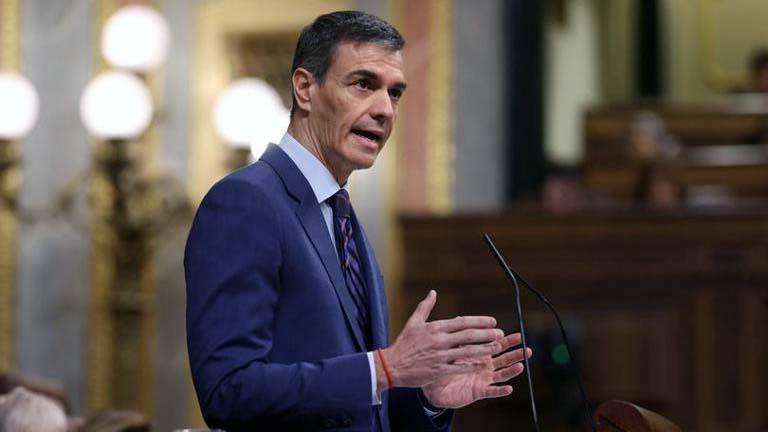
The political response was swift as Prime Minister Pedro Sanchez took to the floor of the parliament in Madrid to address the broader implications of the Middle East conflict and the domestic rise in extremism. Sanchez warned that the war presented a threat to global stability, later turning his focus to the stadium incident. He told a journalist that the episode was "unacceptable and must not be repeated," emphasizing that a "disrespectful minority" cannot be allowed to tarnish Spain’s reputation as a "plural and tolerant country." He offered his full support to the athletes targeted, praising those whose respect helps build a better nation.
The fallout from the match now carries heavy weight for Spain’s future on the world stage. Investigations by Spanish police into the xenophobic chants are currently underway, with high-level discussions occurring between Madrid and Cairo. Egyptian Ambassador Ehab Ahmed Badawy clarified to a journalist that while the events were unacceptable, they "do not represent the majority of Spanish society nor do they represent the feelings of the Spanish government." However, the damage may be structural; internal reports suggest that FIFA is closely monitoring the situation. With Spain, Portugal, and Morocco set to co-host the 2030 World Cup, there is growing speculation that these displays of intolerance could influence the governing body to award the prestigious World Cup final to Morocco instead of Spain, as a message against religious discrimination.
As Europe grapples with its internal identity and the treatment of its Muslim citizens, the coming months will be crucial for the Spanish Football Federation. The focus now shifts to whether the RFEF and local authorities can implement enough protective measures to ensure that the road to the 2026 World Cup—and the hosting duties of 2030—remains inclusive. For the Muslim community in Spain and across the continent, these events are a sobering reminder of the distance still to be traveled toward true acceptance in the face of rising prejudice.


.jpg)