





.svg)
The British motorist is currently caught in a vice between radical new legislative proposals and a worsening geopolitical energy crisis that threatens to immobilise the country over the Easter weekend. While the Green Party outlines a future of strictly regulated 55mph motorways, the immediate reality for drivers is a desperate scramble for fuel as the blockade of the Strait of Hormuz begins to choke UK forecourts.
The 55mph Mandate: A "Privilege, Not a Right"
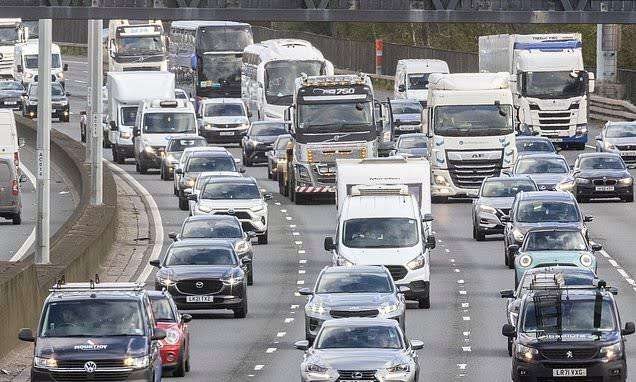
In a move that has sent shockwaves through the logistics and transport sectors, the Green Party has formalised plans to slash speed limits on all motorways and dual carriageways from 70mph to 55mph. Insiders close to the policy development told journalists that the shift is designed not just for safety, but as a forced measure for "maximum fuel efficiency" in an era of scarcity.
The strategy, championed by Zack Polanski, goes beyond simple speed caps. The proposals include a revolutionary shift in licensing, where driving is redefined as a temporary privilege rather than a permanent right. Under this framework, motorists would be mandated to undergo comprehensive re-testing every five years. With current DVSA waiting lists already stretching to six months, industry experts warn that such a policy could effectively force millions of drivers off the road through sheer administrative backlog.
Easter Supply Alert: The Double-Fill Phenomenon
While the 55mph debate rages on paper, the crisis at the pump is tangible. Retail analysts are warning of a "perilous" 72-hour window starting this Friday. As an estimated 22 million journeys begin for the Bank Holiday, a new consumer trend—the "double-fill"—is threatening to empty tanks prematurely.
"We are seeing a psychological shift," one industry source told journalists. "Drivers are filling up on Friday for their departure and are already planning to top off again by Sunday or Monday, even if they have half a tank, simply to hedge against the next price hike."
This behavior is a direct response to the escalating conflict in the Middle East. With the Strait of Hormuz remains restricted, diesel supplies in the UK are projected to drop by a further 10% by mid-April. Average diesel prices have already surged to 185.23p, but in premium areas like West London, some stations have broken the 300p-per-litre barrier—a figure previously thought unthinkable.
Political Friction and the "War on Drivers"
The Conservative opposition has been quick to link the two issues, accusing the Green Party of capitalizing on a national energy crisis to push an "anti-motorist" agenda. Shadow Transport Secretary Richard Holden told journalists that the combination of incremental fuel tax hikes and the reduction of urban parking spaces represents a fundamental disconnect from the needs of working families.
However, the Treasury is facing its own pressures. The recent price spikes have inadvertently netted the government an estimated £100 million in extra VAT receipts, yet Labour has so far resisted calls to cancel the fuel duty increase scheduled for September.
What’s Next: A Summer of Restriction?
The immediate concern remains the M25 and major arterial routes this weekend. With Network Rail undergoing 270 upgrade projects and the West Coast Main Line suspended, the reliance on road travel has never been higher, nor more expensive.
Looking ahead, the Green Party's 20mph default limit for built-up areas is already seeing trial implementations, despite widespread reports of sign vandalism. If the 55mph motorway cap gains further political traction, the very nature of British long-distance travel could be permanently altered by the end of the year. For now, the focus remains on the forecourts, where the next few days will determine if the UK's transport network remains mobile or grinds to a fiscal halt.