



.svg)
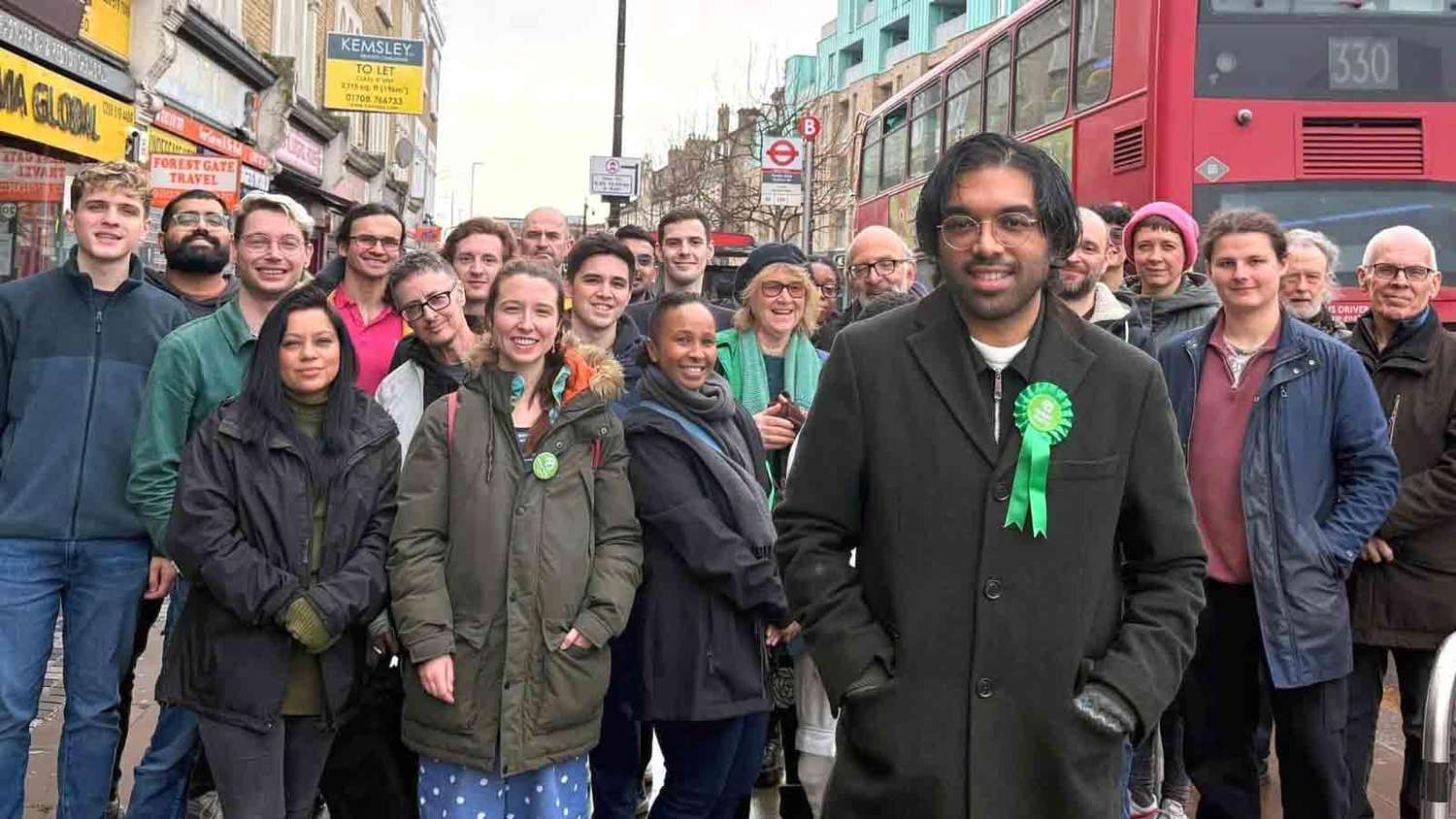
The 2026 local elections have etched a transformative chapter in East London’s political history, marked by a surge in Green Party influence and a profound re-evaluation of communal representation within the British Bangladeshi diaspora. While the Green Party celebrated a historic milestone by securing 16 council seats—displacing 14 Labour incumbents—the mayoral race revealed a stark contrast in how identity politics and regional roots influence the ballot box.
Areeq Chowdhury, the Green Party’s mayoral hopeful, garnered an impressive 18,999 votes, securing 22.6% of the total share. Despite his status as a formidable and highly qualified candidate, the final ascent to the Mayor’s office remained elusive. Chowdhury’s curriculum vitae reads like a blueprint for modern governance, featuring roles in the Civil Service, KPMG, and leadership at the Royal Society. However, in the hyper-local arena of Newham, professional accolades were intercepted by deep-seated regional identities.
Read Also: Forhad Hussain Makes History: Newham’s First Bangladeshi Mayor Takes the Helm
A critical factor identified by investigative analysis for Daily Dazzling Dawn is the regional diversity within the British Bangladeshi community. While both the newly elected Mayor, Forhad Hossain, and Chowdhury share Bangladeshi heritage, a significant demographic divide persisted. The vast majority of the Bangladeshi diaspora in Newham traces its roots to the Sylhet region. Chowdhury, hailing from Chittagong, faced the challenge of penetrating established Sylheti voting blocs that have traditionally anchored the borough’s political landscape.
Remarkably, sources suggest that a lack of communication regarding Chowdhury’s background played a decisive role. Even among the significant number of Chittagonian residents living within Newham, many were reportedly unaware that Areeq was a fellow British Bangladeshi. This gap in community awareness proved costly; analysts suggest that if Chowdhury had secured even a slightly larger fraction of the unified Bangladeshi vote, the final result could have shifted in his favour.
In contrast, Forhad Hossain’s victory was bolstered by a wave of communal solidarity. Information shared with journalists indicates that Hossain managed to galvanise the entire British Bangladeshi community. Voters who traditionally never supported the Labour Party reportedly crossed party lines to cast their vote for him, prioritising the election of a British Bangladeshi representative who they felt was deeply embedded in the borough's primary social infrastructure.
"If Areeq had managed to bridge the gap and access the broader, unified British Bangladeshi networks, the path to victory would have been significantly smoother," an observer told journalists.
The post-election atmosphere remains charged, particularly after several Green councillors delivered victory speeches in Bengali. While this was intended to honour their constituents, it drew scrutiny from those questioning the inclusivity of non-English speeches in civic settings.
Ultimately, Forhad Hossain won by consolidating a wide communal base, while Areeq Chowdhury’s campaign—despite its high-density policy flow and technical brilliance—was hampered by regional disconnects and a lack of awareness regarding his heritage among his own regional peers. For Chowdhury, the 18,999 votes represent a sophisticated baseline. The road ahead involves bridging these cultural and regional divides to ensure that policy expertise and communal synergy go hand in hand.