




.svg)
What we are witnessing in the political landscape of the United Kingdom is, for many observers, a long-anticipated shift. The political pendulum is moving from left to right — and despite the combined efforts of Labour, the Greens, the Liberal Democrats, and a significant faction within the Conservative Party to resist it, this tide has proven difficult to stem. Whether the pendulum continues its rightward trajectory or eventually steadies will depend on whether any party can translate momentum into credible governance.
When David Cameron pursued a modernising, socially liberal brand of conservatism — reaching towards the centre ground on issues of culture and public services — a vacuum opened up on the traditional right of British politics. Subsequent Conservative leadership failed to reclaim that ground, and Reform has moved decisively to fill it. Polling consistently shows Reform drawing voters who feel unrepresented by the mainstream, and its influence on the trajectory of British politics may well be felt for a generation.
The 2016 Brexit vote was not merely a decision to leave the European Union; it was, for many voters, a statement about political and cultural direction. The Conservative Party was trusted to deliver on that mandate. But that trust was squandered — not primarily by a pandemic or a war in Europe, but by the party’s own internal incoherence and its inability to articulate a vision for post-Brexit Britain. Many who voted Leave felt dismissed rather than heard. That wound has never fully healed.
Labour, for its part, strategically avoided taking firm positions on the most divisive issues — Europe, fiscal policy, and the deepening cultural divide. A significant share of voters who turned to Labour in the last election did so not out of deep conviction, but as a rejection of the Conservatives. Exit polling and subsequent surveys suggest that many Labour voters remained sceptical of the party’s programme even as they cast their ballots — a fragile mandate for any government to build on.
Today, no party is offering a fully convincing economic plan. Reform, while yet to publish detailed policy costings, is giving voice to concerns that resonate with large sections of the electorate: illegal immigration, government waste, national sovereignty, and the erosion of civil liberties. Labour’s economic difficulties — slow growth, persistent public sector pressure, and questions about spending credibility — leave it struggling to counter Reform’s “Take our country back” message with anything equally simple or emotionally compelling.
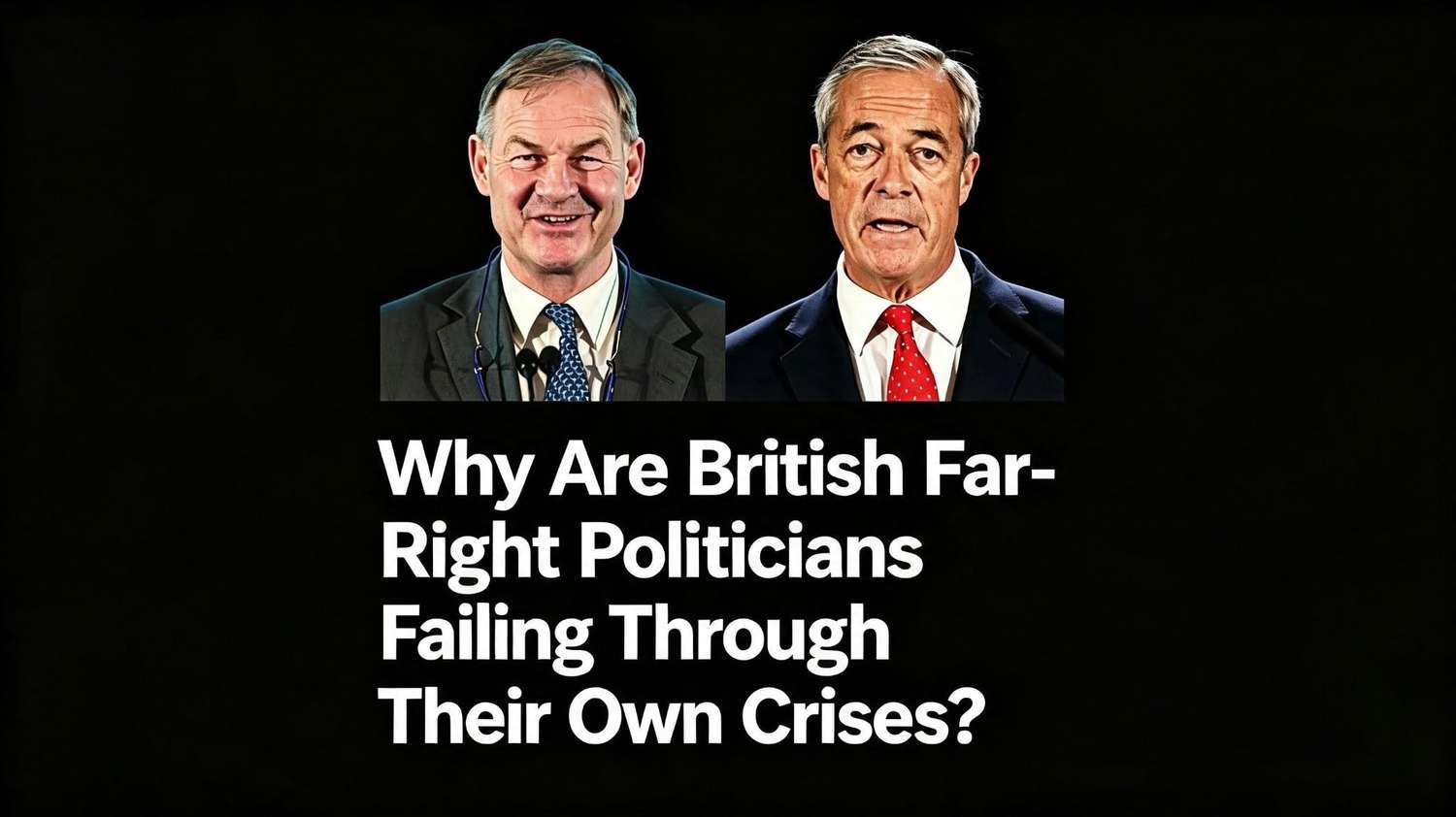
Many regard Kemi Badenoch as the face of a possible Conservative recovery. Her rhetoric carries conviction, and her ideological positioning is clear. But she has yet to put forward a compelling economic framework that would give her a decisive edge over Nigel Farage. More fundamentally, the Conservative Party has still not offered the public a frank reckoning with its record — and there is little sign that its internal culture has genuinely changed.
This rightward shift is not unique to Britain. In the United States, the Democratic Party is navigating a prolonged internal crisis over identity and economic message. Across Europe — in Hungary, Poland, Germany, and France — right-wing and nationalist parties have made substantial electoral gains over the past decade, reflecting a broader pattern of voters pushing back against liberal consensus politics. Britain’s trajectory, while shaped by its own specific history, is part of this wider realignment.
Back at home, the crisis engulfing Sir Keir Starmer’s leadership has deepened significantly. Four ministers have resigned and more than 80 MPs have publicly called on him to quit, while over 100 others have warned against triggering a leadership contest — a paralysis that itself speaks to the scale of Labour’s dilemma. Now, in what may prove the most consequential blow yet, Sir Keir has lost the support of all 11 trade unions affiliated to the Labour Party. The Trade Union and Labour Party Liaison Organisation (Tulo), which represents those unions, has stated plainly that it is “clear” Sir Keir must depart before the next general election. In a joint statement, Tulo declared that Labour “cannot continue on its current path,” citing “devastating” local election results, and called for “fundamental change of direction on economic policy and political strategy.” Crucially, the unions framed their intervention not as a matter of personality, but of substance — a signal that dissatisfaction runs deeper than any individual leadership question.
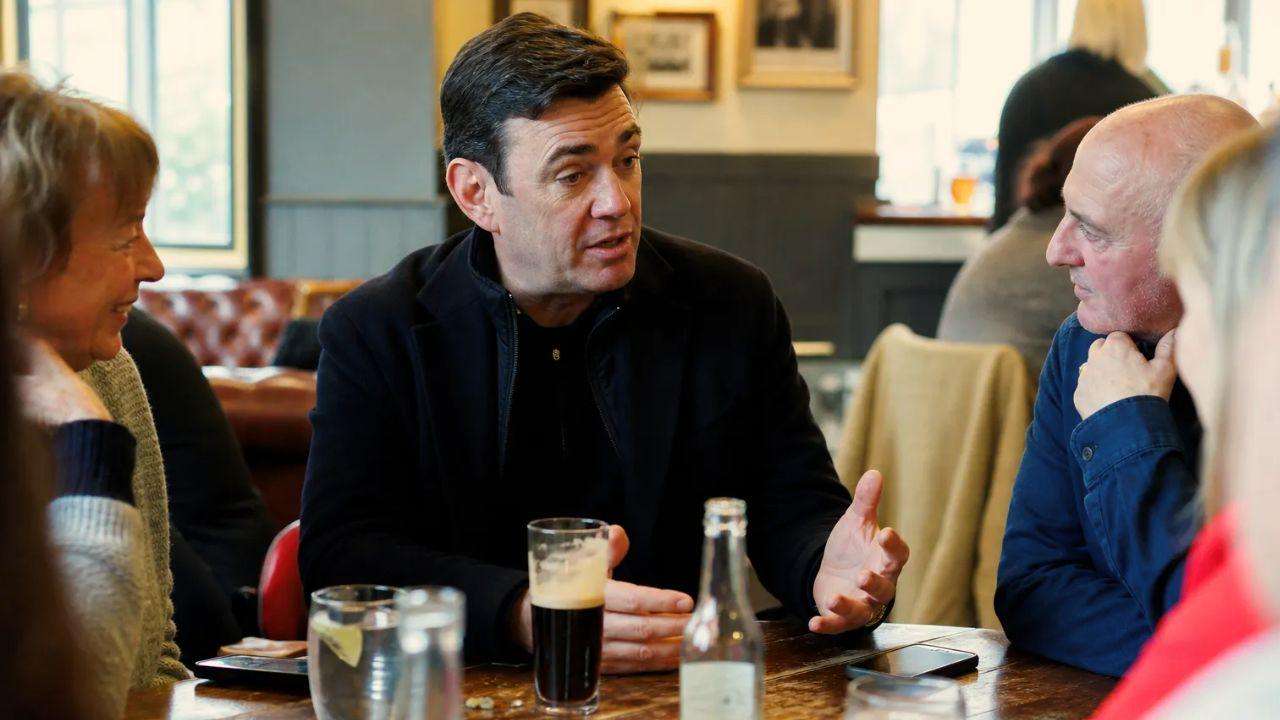
The names most commonly mentioned as potential successors — Andy Burnham, Wes Streeting, Angela Rayner — have yet to offer any distinct or detailed programme for addressing the economic pressures facing the country. Whoever eventually leads Labour into the next election will inherit a party whose core institutional base has publicly lost confidence in its current direction.
The political reality is becoming clearer: Britain’s centre is under strain, and a meaningful share of the electorate is moving rightward. In the next election, the party that prevails will most likely be the one that can offer not just a compelling message, but realistic and credible answers on the economy, immigration, taxation, and law and order.
The pendulum is swinging — and on current evidence, the swing may mark the beginning of a longer realignment rather than a temporary correction.

.jpg)