






.svg)
A historic criminal slang known as Fenya—once used inside Soviet prisons to confuse guards and authorities—is now being observed in modern Russian cyber-crime communications, according to linguistic and cybersecurity researchers.
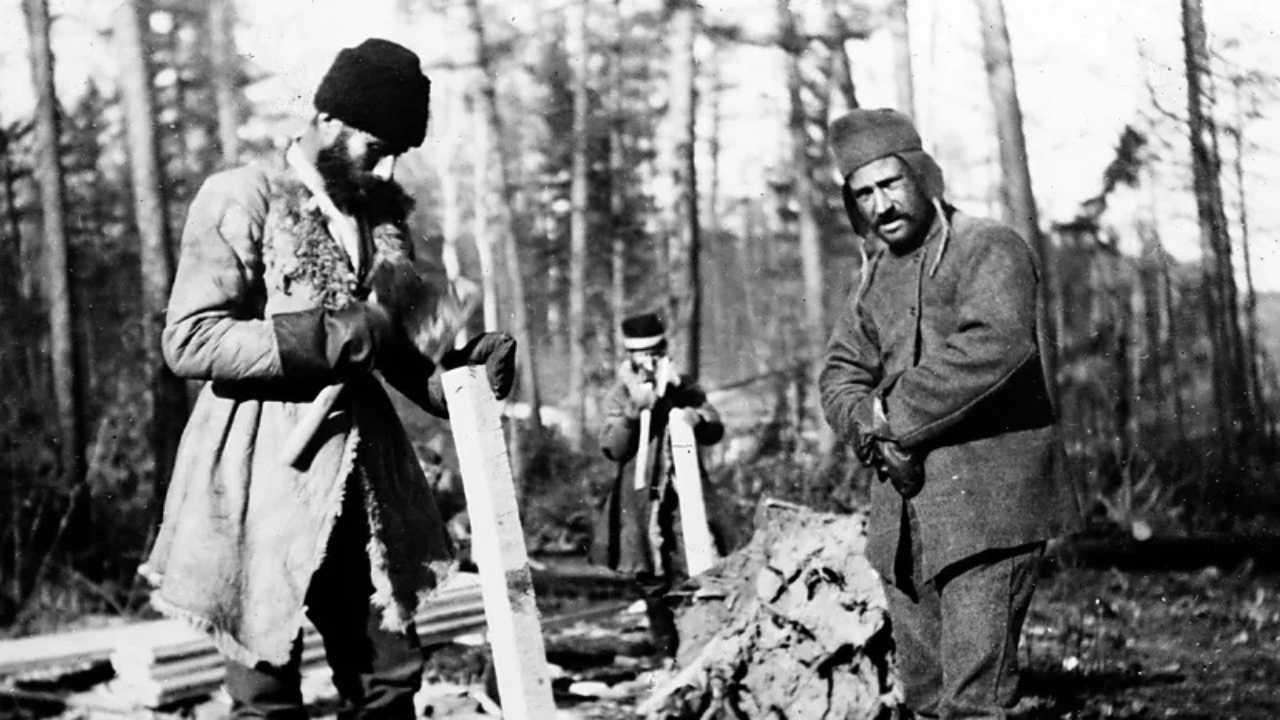
Fenya, a coded form of speech that developed over centuries within Russia’s criminal underworld and expanded significantly during the Soviet era, has long been used as a secretive form of communication among offenders. Originally designed to obscure meaning and identify insiders, it later spread widely through prison camps during the Stalin period, where millions of inmates were exposed to it.
Experts say the language blends influences from multiple sources, including German, Yiddish, and Greek, and often assigns hidden meanings to everyday Russian words. For example, common terms could take on entirely different meanings within Fenya, making conversations difficult for outsiders or authorities to interpret.
During the Soviet period, the expansion of the prison system contributed to Fenya becoming widely used among inmates from different social backgrounds. Over time, it evolved into a structured criminal vocabulary, sometimes referred to as a “thieves’ code,” used to signal hierarchy, identity, and intent within criminal groups.
Following the collapse of the Soviet Union, Fenya remained present in Russian culture and gradually influenced broader slang and informal speech. In more recent years, researchers say elements of the language have appeared in online spaces, including cyber-crime forums.
Cybersecurity analysts have noted that modern Russian-speaking cyber-criminal groups sometimes use slang and coded expressions derived from Fenya, alongside other evolving internet slang. This hybrid communication style can make automated translation tools less effective and complicate law enforcement monitoring efforts.
Experts describe this development as a form of linguistic evolution, where traditional criminal slang merges with digital-era communication methods. The result is sometimes referred to by researchers as “cyber-Fenya,” a blend of historical prison vocabulary and modern online jargon.
Linguists note that similar secret or semi-secret languages have existed in other cultures and historical periods, often emerging in environments where groups seek privacy or protection from authority.
Today, Fenya’s legacy continues not only in Russian cultural history but also in the digital landscape, where it remains part of an evolving system of coded communication that challenges investigators and language technologies alike.


.jpg)