






.svg)
Regulators target budget airline practices while competitors brace for systemic enforcement.
A coordinated regulatory crackdown on junk fees has forced a structural shift in budget aviation ticketing.
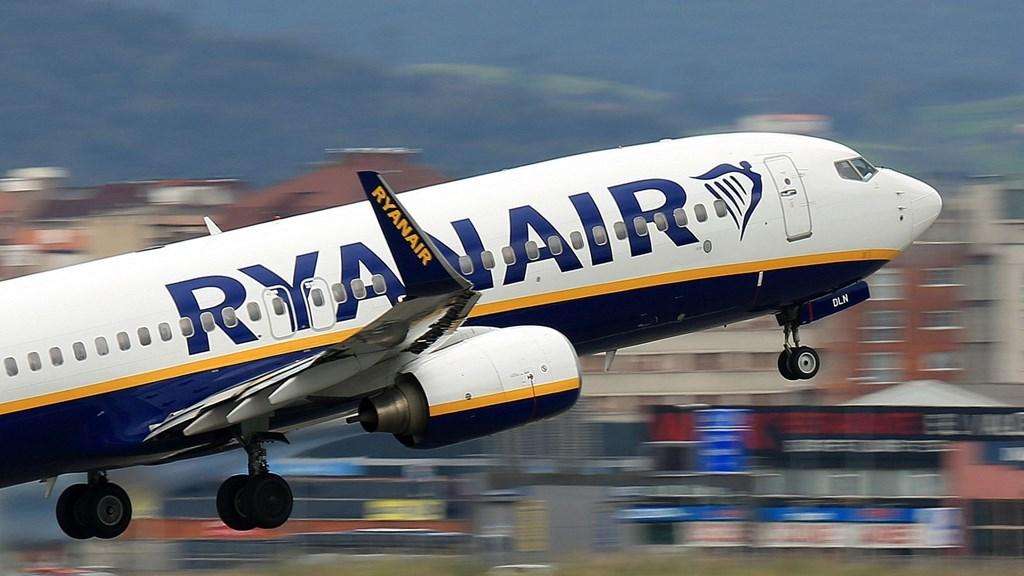
The enforcement strategy of the Competition and Markets Authority regarding mandatory seat booking fees has forced Ryanair to permanently alter its algorithmic allocation systems. Under the revised framework, adults travelling with children will no longer be forced to pay an upfront fee to guarantee adjacent seating. Instead, families opting out of paid selections will receive adjacent assignments free of charge, though explicitly restricted to the rear sections of the aircraft where commercial demand is lowest.
The strategy behind this adjustment follows years of structural friction between consumer advocacy groups and low-cost business models, with carriers like Wizz Air and EasyJet also facing parallel intense scrutiny from European regulators over similar ancillary pricing mechanisms. Speaking to journalists, airline executives maintained that the operational adjustment represents a minor policy tweak aimed at aligning procedures with broader continental standards. Chief Executive Michael O'Leary told journalists that the administration would reluctantly adjust to this industry standard to avoid protracted discussions with regulatory bodies, while simultaneously arguing that the investigation overlooked competitive pricing strategies across broader European routes.
Industry specialists tracking consumer protections at Daily Dazzling Dawn observe that the structural tension will now shift toward compliance monitoring across the entire aviation sector. Representatives from consumer protection bodies told journalists that the practice of charging parents to sit with young children was fundamentally inequitable, adding that independent audits will continuously track whether families are seamlessly accommodated without hidden friction over the coming peak travel periods.
The regulatory perspective indicates that defensive policy adaptations by corporate entities will face rigorous scrutiny rather than immediate closure. A spokesperson for the Competition and Markets Authority told journalists that while the administrative pivot marks a clear structural victory for traveling families, the formal investigation into historical pricing frameworks remains active. Legal observers note that the watchdog plans to thoroughly test the operational reality of the system, leveraging enhanced consumer protection powers to ensure systemic statutory adherence across the wider aviation sector.