



.svg)
An intricate legal and diplomatic standoff has emerged across three continents following the tracking and detention of a central suspect in the killing of American humanitarian worker Jamey Carney. The developing situation exposes severe friction points in cross-border law enforcement, international protection systems, and global extradition structures.
The 43-year-old victim, a native of Yonkers, New York, who relocated to County Kerry in 2021 to build a peaceful environment for her 13-year-old daughter, was discovered deceased on Tuesday, July 7, 2026. Her body was found hidden beneath a duvet in an upstairs bedroom of her rented property along Killarney's Muckross Road by her teenage child. A subsequent post-mortem examination determined the primary cause of death to be asphyxiation, compounded by severe traumatic trauma inflicted upon her head, face, and neck. Local inquiries revealed that neighbors had overheard an intense verbal altercation emanating from the household hours before the discovery.
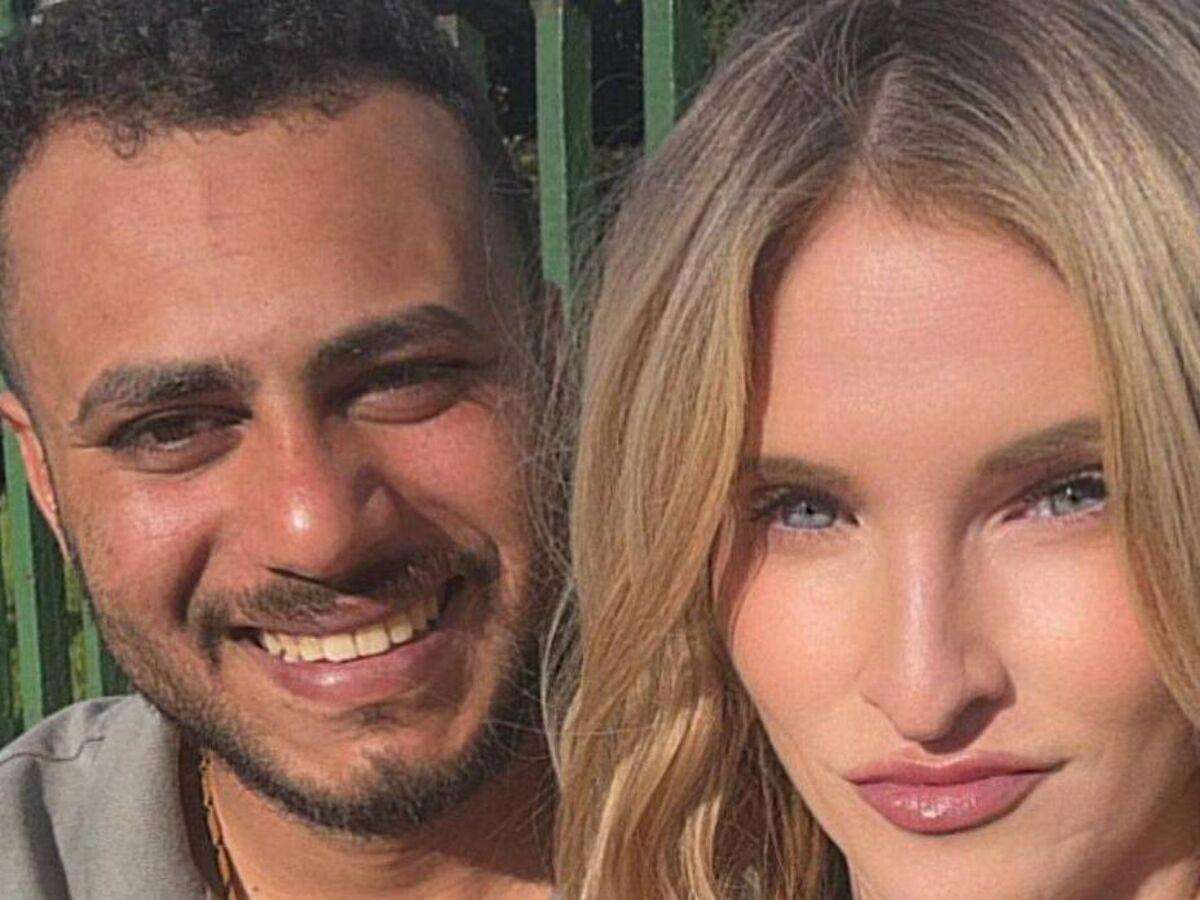
Attention immediately turned toward Carney’s boyfriend, 28-year-old Ahmad Al-Saqar. Al-Saqar, a Jordanian national, had spent the past two years navigating the Irish international protection infrastructure. In a sequence of events that has drawn intense systemic scrutiny, his passport had recently been returned to him by state immigration services following a complex process involving a refusal and subsequent administrative appeal.
Information gathered by investigators indicates that Al-Saqar was present with Carney on the evening preceding the discovery of her body. Utilizing his restored passport, he boarded a 3:00 AM bus from Killarney to Dublin Airport on Tuesday morning, successfully executing his departure from the jurisdiction on a flight bound for Istanbul, Turkey, hours before local emergency services were alerted to the crime scene. From Turkey, he traveled directly to his native district of Al Husn within the Irbid region of northern Jordan.
In a unexpected operational shift, Jordan’s Public Security Directorate acted swiftly to intercept and detain Al-Saqar upon his return. Statements obtained from senior political figures indicate that Jordan’s interior and justice ministries acted upon an initial alert regarding his status as a key target of interest in a homicide inquiry. However, Irish security officials confirmed that this initial apprehension did not occur on the foot of an active Irish warrant, creating an immediate, high-stakes countdown for state prosecution agencies.
Young Mother Fatally Stabbed While Sleeping Beside Husband and Newborn in London, Court Hears
Legal experts speaking to Daily Dazzling Dawn emphasize that Ireland lacks a bilateral extradition treaty with Jordan. Under Irish jurisprudence, an individual can only be formally extradited to face active criminal prosecution in a court of law. This requirement places intense pressure on the National Bureau of Criminal Investigation and local Kerry detectives to compile a comprehensive, "court-quality" evidentiary file for submission to the Director of Public Prosecutions to secure an official indictment.
In a positive sign for the investigation, the state authorities in Amman have initially authorized a formal 15-day holding period. This brief window of detention is explicitly conditional on Irish authorities providing a comprehensive, top-tier briefing detailing the foundational evidence connecting Al-Saqar to the death of the American national. Diplomatic sources imply that while deep legal precedents mean a suspect could theoretically be tied up in complex international legal challenges for up to 18 months, Jordan’s proactive stance indicates a strong willingness to engage with international partners.
The Minister for Justice, Jim O'Callaghan, addressed the unfolding crisis, noting that the absence of a formal treaty does not necessarily preclude a successful legal outcome. "I would hope that the police would be able to speak to that suspect, and I know there are very good relationships between our authorities and other police forces throughout the world," O'Callaghan told journalists. He further indicated that there are "innovative mechanisms available" that could facilitate the questioning of the suspect in Jordan and potentially pave a legal path toward his eventual transfer of custody.
The development has triggered defensive maneuvers from the suspect's family in Jordan. In a public notification titled as a Statement, Warning, and Tribal Notice, Al-Saqar's relatives—including a brother employed in the medical sector in Amman—issued strict warnings against what they termed online defamation. The family statement insisted that he remains innocent until proven guilty under the law and threatened to leverage domestic cybercrime units and traditional tribal customs against those directing hostile commentary toward their lineage.
As the state apparatus maneuvers through these diplomatic channels, the local community remains focused on supporting the victim's young daughter. Carney’s sister, Devon Bennett, alongside her mother, has arrived in Killarney from the United States to manage the immediate aftermath of the tragedy. Local community figures have coordinated support structures alongside state welfare agencies to stabilize the child's living arrangements, reinforcing the family's stated objective to keep her within the Kerry community her mother considered home.

_1.jpg)
.jpg)