
.jpg)
.svg)
The public examination into the death of 10-year-old Sara Sharif has entered a significant new stage after her stepmother formally requested that the inquest be heard before a jury, placing renewed attention on whether child protection agencies missed opportunities to intervene before the schoolgirl was murdered.
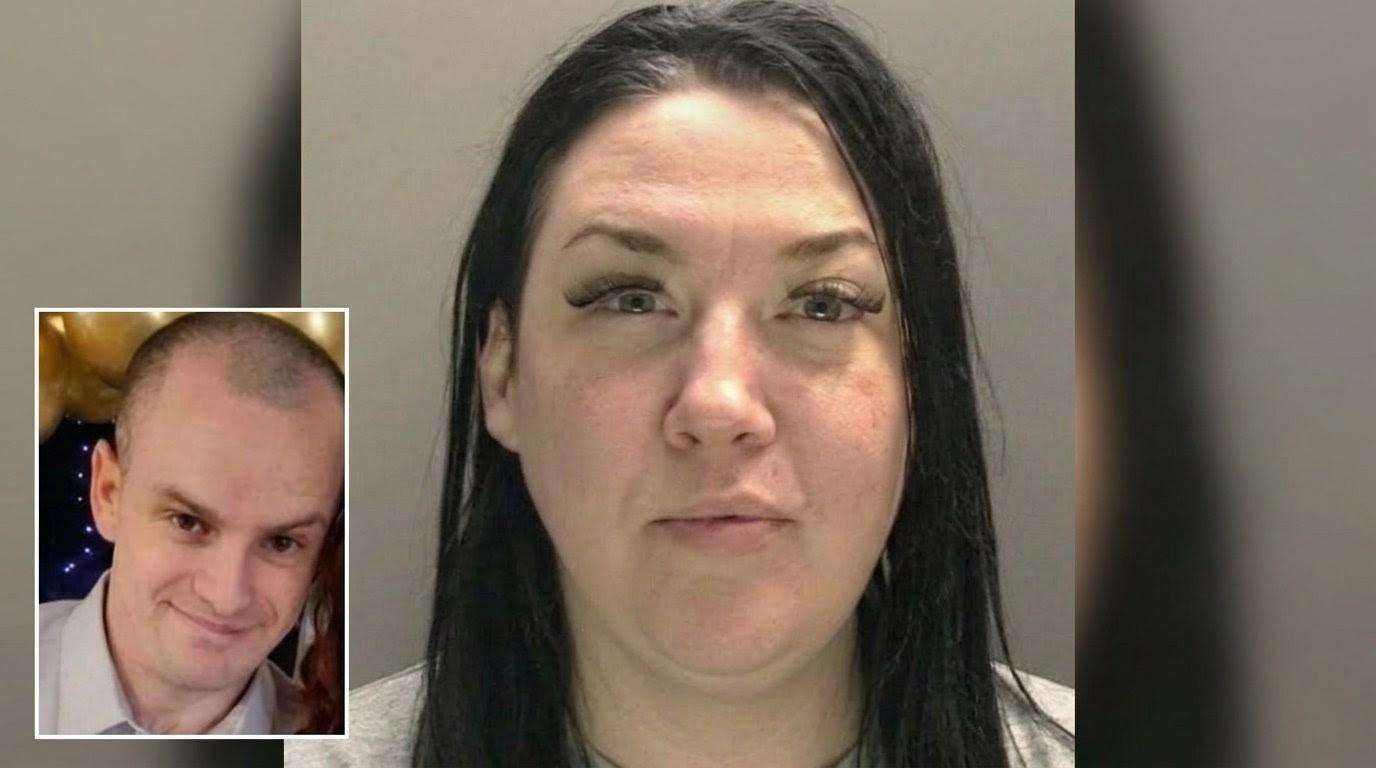
At a pre-inquest hearing before Surrey Senior Coroner Richard Travers, Beinash Batool, who is serving a life sentence for Sara's murder, asked for jurors to determine the factual circumstances surrounding the failures of public authorities. The coroner confirmed he would consider the application at a future hearing, while the full inquest remains scheduled to begin in April 2027.
The criminal proceedings that resulted in the convictions of Sara's father, Urfan Sharif, and stepmother have concluded. The forthcoming inquest, however, will focus on a separate legal question: what public bodies knew, or ought reasonably to have known, about Sara's welfare before her death and whether further action could have been taken to protect her.
The Daily Dazzling Dawn understands that the inquest is expected to examine safeguarding decisions involving multiple public agencies, including education, children's services and policing, without revisiting the criminal findings already determined by the Crown Court.
Sara was found dead at her family home in Woking in August 2023 after suffering prolonged physical abuse over an extended period. Medical evidence presented during the murder trial revealed numerous injuries, including bite marks, burns caused by a domestic iron, scalding injuries from hot water and multiple healed fractures, exposing what prosecutors described as a sustained campaign of abuse lasting around two years.
Batool's legal representative, Dr Anton van Dellen, told the hearing that a jury could provide an important community perspective when considering whether concerns about allegations of racism affected safeguarding decisions.
"This is just the type of judgement where a diverse local jury would provide a helpful perspective," he told the journalist during the hearing.
The argument follows findings contained in an independent safeguarding review, which concluded that professionals failed to fully investigate why Sara had begun wearing a hijab that concealed visible injuries. The review found there had been concern among some professionals about causing offence when dealing with the family. It also recorded that neighbours later said they hesitated to report concerns because they feared "being branded as being racist."
The inquest is expected to examine how those concerns influenced decision-making, whether information was effectively shared between agencies and whether existing child protection procedures were properly followed before Sara's death.
Surrey County Council has previously apologised for the safeguarding failures identified by the independent review, stating it had taken "robust action" to implement recommendations and strengthen child protection procedures across the authority.
During Monday's hearing, both Batool and Urfan Sharif appeared via video link from prison. Batool confirmed she intends to give evidence during the inquest.
Sharif, who was not represented by a solicitor or barrister, attempted to challenge documents another interested party intended to submit. However, the coroner made clear the scope of the proceedings.
"This is not a re-trial, we are not going behind any findings that were made by the criminal court, I am not interested in the comments you have to make on any documents," Richard Travers told the journalist during the hearing.
The criminal convictions remain unchanged. In December 2024, Urfan Sharif and Beinash Batool were each sentenced to life imprisonment for Sara's murder. Sara's uncle, Faisal Malik, was convicted of causing or allowing her death and sentenced to 16 years' imprisonment.
Attention now turns to the coroner's forthcoming decision on whether the inquest will proceed before a jury. If approved, jurors will hear evidence over an expected eight-week hearing examining the actions of public authorities before Sara's death. While the inquest cannot alter the criminal convictions, its findings may identify lessons for safeguarding agencies and contribute to further reforms aimed at protecting vulnerable children.