






.svg)
A high-density surge in emergency coastal interventions across the Southeast shoreline has laid bare systemic vulnerabilities in regional marine safety protocols following a spate of catastrophic seaside incidents.
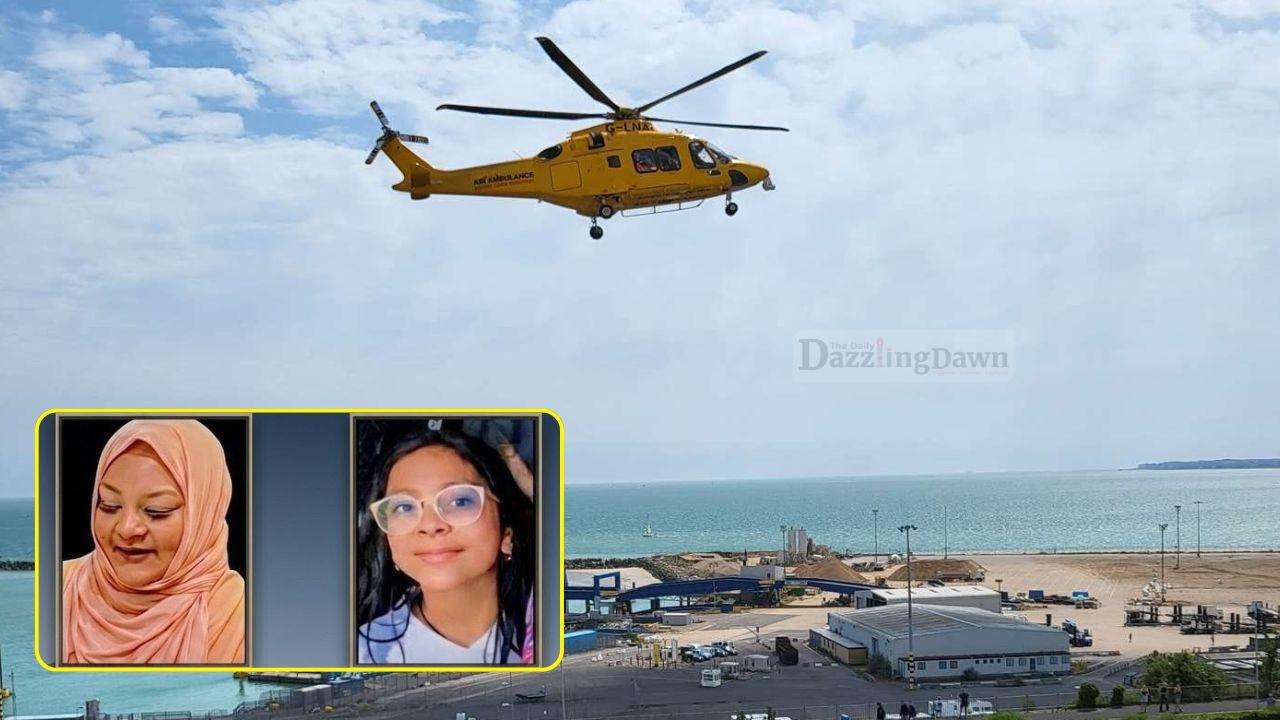
The urgent warnings surrounding UK coastal hazards follow a devastating casualty event off West Mersea in Essex, where 42-year-old Shally (Selina) Rahman and her 15-year-old daughter, Samiha (Samia), tragically lost their lives during a family outing. The British-Bangladeshi mother and daughter entered the water in a desperate effort to save a seven-year-old relative who had been caught in a sudden high-tide surge. While the young boy was successfully recovered and transported to intensive care, both Shally and Samiha succumbed to the powerful, unexpected current. Their deaths have deeply shaken the British-Bangladeshi community and triggered sharp inquiries into localized water safety infrastructure and shoreline warning measures.
Compounding these coastal dangers, multi-agency emergency forces scrambled to Main Sands beach in Margate, Kent, after a group of swimmers was swept into severe distress near the boating pool area at around 4:30 PM on Saturday. In an intensive inter-agency rescue operation involving HM Coastguard helicopters, Margate RNLI lifeboats, Kent Police units, and KSS Air Ambulance crews, three individuals—a man and two children—were retrieved from the water following immediate assistance from members of the public at the scene. Emergency responders airlifted the two children directly to King’s College Hospital in London for specialized trauma care, while the adult was transported to the William Harvey Hospital in Ashford.
While emergency search teams and medical personnel continue to manage high-volume calls along overcrowded beaches during severe heatwave conditions, investigators are turning their focus toward public warning systems, tidal prediction modeling, and lifeguard deployment levels along high-risk stretches of Britain's coast. Maritime safety experts emphasize that rapidly shifting tidal hydraulics, combined with record summer temperatures, create volatile aquatic environments where unsuspecting swimmers can be overwhelmed within seconds.
Community leaders and policy advocates told journalists at Daily Dazzling Dawn that this lethal sequence of seaside events underlines an urgent necessity for mandatory school-level water safety education and clearer visual rip-current signage at popular beaches. With local councils and emergency services launching multi-agency reviews into shoreline safety markers and response coverage, pressure is rapidly mounting on nationwide authorities to modernize coastal safety frameworks before more lives are lost.



.jpg)