






.svg)
A devastating surge in coastal emergencies across popular British shorelines has triggered urgent calls for enhanced water safety protocols following multiple fatal incidents during peak summer conditions.
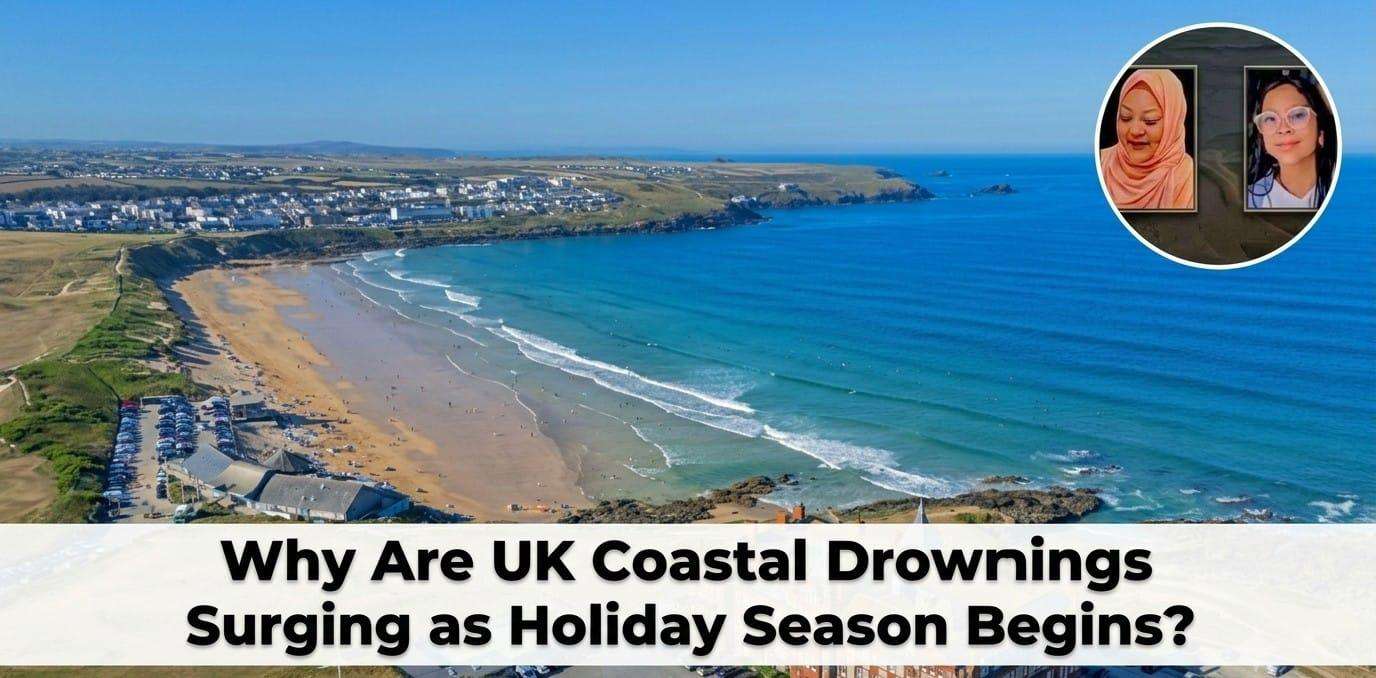
The latest tragedy unfolded late Sunday evening at Fistral Beach in Newquay, Cornwall, where emergency services were mobilized to South Fistral at approximately 9:30 PM. A major multi-agency search-and-rescue response—comprising Newquay, Padstow, and St Agnes Coastguard units, two RNLI lifeboats, critical care paramedics, and a search-and-rescue helicopter—recovered a man and a woman from the water. Despite immediate resuscitation efforts on the beach, both individuals were pronounced deceased at the scene.
Devon and Cornwall Police confirmed that while next of kin have been formally notified, official identification procedures remain ongoing. Authorities have not publicly released the names or specific relationship status of the deceased couple as investigative files are prepared for HM Coroner. Witnesses reported seeing up to nine emergency vehicles and extended aerial sweeps as rescue crews worked into the night.
The Cornwall fatalities follow a tragic incident on Wednesday, July 22, at West Mersea beach in Essex involving a British-Bangladeshi family. In an official press statement released by Shahin Ahmed—father of seven-year-old Musa Ahmed, who remains in critical condition on life support—the family addressed and corrected widespread early media reports. Ahmed clarified that claims stating Shelina Rahman and her 15-year-old daughter, Sameeha, entered the sea specifically to rescue Musa are incorrect.
Instead, a group of six family members, consisting of three adults and three children, were playing in the water when they were suddenly swept out to sea by an unexpected rip tide, resulting in the fatal outcome for Shelina and Sameeha. Ahmed strongly criticized the lack of safety infrastructure at the location, noting that there was no hazard signage nor coastguard personnel present on the beachfront to warn visitors about dangerous localized rip tides, despite prior calls from local residents for greater safety measures. He further noted that official rescue services took approximately 20 minutes to arrive, praising local bystanders, including resident Craig Bowe, who entered the waves at great personal risk to retrieve those who were swept away.
This alarming cluster of drownings comes precisely as school summer holidays get underway nationwide, a period historically marked by a sharp rise in coastal accidents as millions of families head to the seaside. Safety officials and emergency services are issuing an urgent plea to parents and all beachgoers to exercise extreme caution, learn how to identify hidden rip currents, and strictly monitor children near the water's edge.
Investigative reports compiled by Daily Dazzling Dawn indicate that these recent coastal tragedies—including a separate fatality at West Wittering in Sussex and a critical rescue near Clacton Pier—have intensified public scrutiny regarding beach patrol coverage and hazard warnings. Local authority leaders across coastal regions face growing pressure to install explicit rip-current warning signs and extend professional lifeguard coverage.
Looking ahead, multi-agency coastal risk groups are expected to re-evaluate tidal advisory protocols across high-density beach destinations, while formal coronial inquests will establish the definitive circumstances surrounding each tragedy. Maritime safety organizations continue to implore all visitors to verify tide schedules rigorously and swim strictly within patrolled zones.


.jpg)