



.svg)
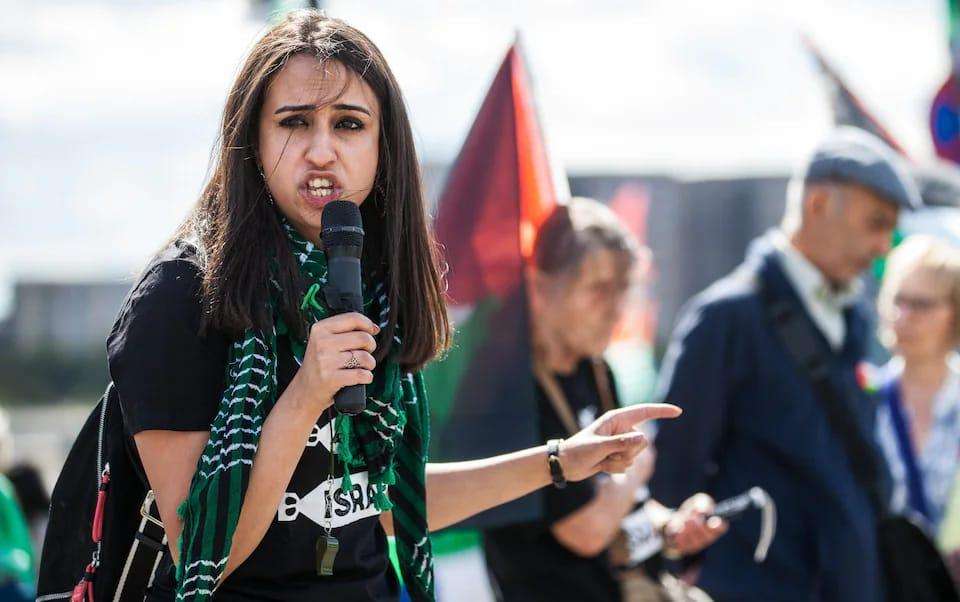
The judicial fight surrounding the UK government's proscription of Palestine Action has reached its highest arena yet. In a decision that offers renewed hope to free speech advocates, civil liberties organizations, and pro-Palestine campaigners across the British Muslim community, the Supreme Court of the United Kingdom has formally granted permission for co-founder Huda Ammori to challenge the legality of the ban.
The ruling marks an unprecedented moment in modern British jurisprudence, establishing a crucial checkpoint against government overreach. Speaking through legal representatives, campaigners told journalists that the decision reinforces the enduring validity of public protest and the fundamental right to dissent against state policy.
The Journey Through the Courts
The trajectory of the legal battle highlights deep judicial debates over civil liberties and state security powers. The group was initially proscribed under anti-terrorism laws in July 2025. Following a judicial review brought by Ammori, the High Court determined in February 2026 that the Home Secretary’s proscription order was unlawful and disproportionate under Articles 10 and 11 of the European Convention on Human Rights, which safeguard freedom of expression and assembly.
However, following a subsequent challenge by the government, the Court of Appeal overturned that ruling in June 2026, reinstating the proscription. Undeterred, Ammori’s legal team filed an urgent application to the Supreme Court. In its latest directive, the panel of Supreme Court justices agreed to review the appellate ruling, confirming that a full substantive hearing will take place in the final quarter of this year.
Investigation into court records by Daily Dazzling Dawn reveals that the upcoming hearing will scrutinize whether the Home Office properly applied its internal proscription criteria and whether branding direct action protest as terrorism crosses a constitutional line.
Impact on Thousands of Pending Cases
The decision to grant a final appeal carries immediate, tangible consequences for thousands of individuals across Britain. More than 3,500 peaceful demonstrators, activists, and faith leaders who were detained for expressing support or holding signs following the proscription now find their criminal proceedings effectively paused. Crown Prosecution Service guidelines dictate that prosecutions tied to disputed statutory orders remain on hold pending the Supreme Court's definitive determination.
Human rights experts who intervened in earlier proceedings told journalists that the outcome could reshape the boundaries of public assembly and anti-terror enforcement for generations. For millions of British Muslims and pro-Palestine supporters who felt silenced by the sweeping breadth of the original order, the Supreme Court's decision brings a profound sense of relief, signaling that the rule of law remains capable of upholding core constitutional protections.
The Supreme Court is expected to convene a multi-day hearing before the end of the year, where senior justices will hear arguments from leading human rights barristers and government lawyers. Should the court find the proscription unlawful, it would compel the government to rescind the order, clearing the records of thousands of individuals and establishing a landmark legal precedent for democratic rights across the United Kingdom.