






.svg)
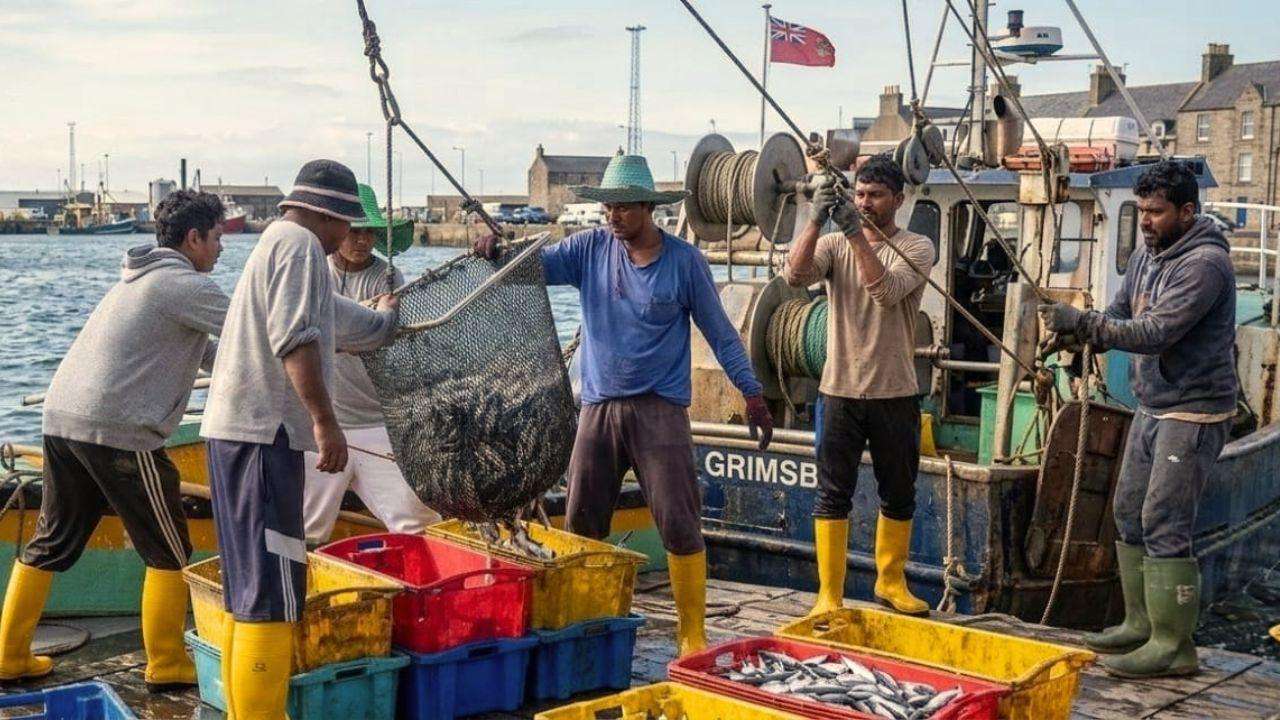
A coalition of maritime charities, trade unions, and human rights organisations has formally petitioned Home Secretary Shabana Mahmood to introduce a dedicated Fishing Worker Visa to replace systemic legal vulnerabilities currently exposing overseas crews to severe labour exploitation on UK-flagged vessels.
The joint proposal—submitted by Focus on Labour Exploitation (FLEX), the International Transport Workers’ Federation Fisheries Section, Nautilus International, Stella Maris, The Seafarers’ Charity, and the Ethical Trading Initiative—calls for a fundamental overhaul of how foreign crews are recruited across commercial fleets.
Central to the reform is a sector-wide sponsorship framework. Unlike traditional visa arrangements that bind a migrant worker to a single employer, this system would allow crew members to move between registered operators within the fishing industry. Campaigners told journalists that flexibility is the key structural defense needed to enable workers to leave abusive or substandard working environments without facing immediate loss of legal status or deportation.
Under the proposed model, migrant fishers would be formally recognised as workers under UK employment law, granting them access to employment tribunals, labour market enforcement bodies, and statutory minimum wage protections.
Closing the 'Transit Loophole' Amid Systemic Vulnerabilities
The campaign targets the long-standing use of the Code 7 Contract Seafarer Stamp, widely known across the sector as the "Transit Loophole". Historically, this mechanism allowed non-EEA fishers to board vessels under the legal presumption that they were merely transiting UK ports for international waters. In practice, it excluded workers from core domestic employment rights and minimum wage legislation, even while operating within UK territorial waters.
The coalition warned that the situation could deteriorate further as the Immigration Salary List is phased out. Without an alternative immigration pathway tailored for fishing occupations, even responsible vessel operators face growing pressure to rely on transit concessions to address domestic labour shortages, trapping more workers in vulnerable operational structures.
To ensure accountability, the coalition also recommended establishing a Workplace Justice Visa modeled on Australian mechanisms. This provision would allow exploited fishers to remain lawfully in the UK while pursuing civil employment claims or assisting law enforcement in criminal investigations.
Representatives told Daily Dazzling Dawn that the UK Government’s strategy of building a sustainable domestic fishing workforce cannot succeed while parts of the industry remain reliant on underpaid and exploited migrant labor.
Attention now turns to the Home Office's pending response to the joint petition as pressure builds ahead of upcoming policy reviews. Industry stakeholders and enforcement authorities are waiting to see whether ministers will establish a dedicated sector sponsorship route or tighten controls on existing transit arrangements.






.jpeg)