




.svg)
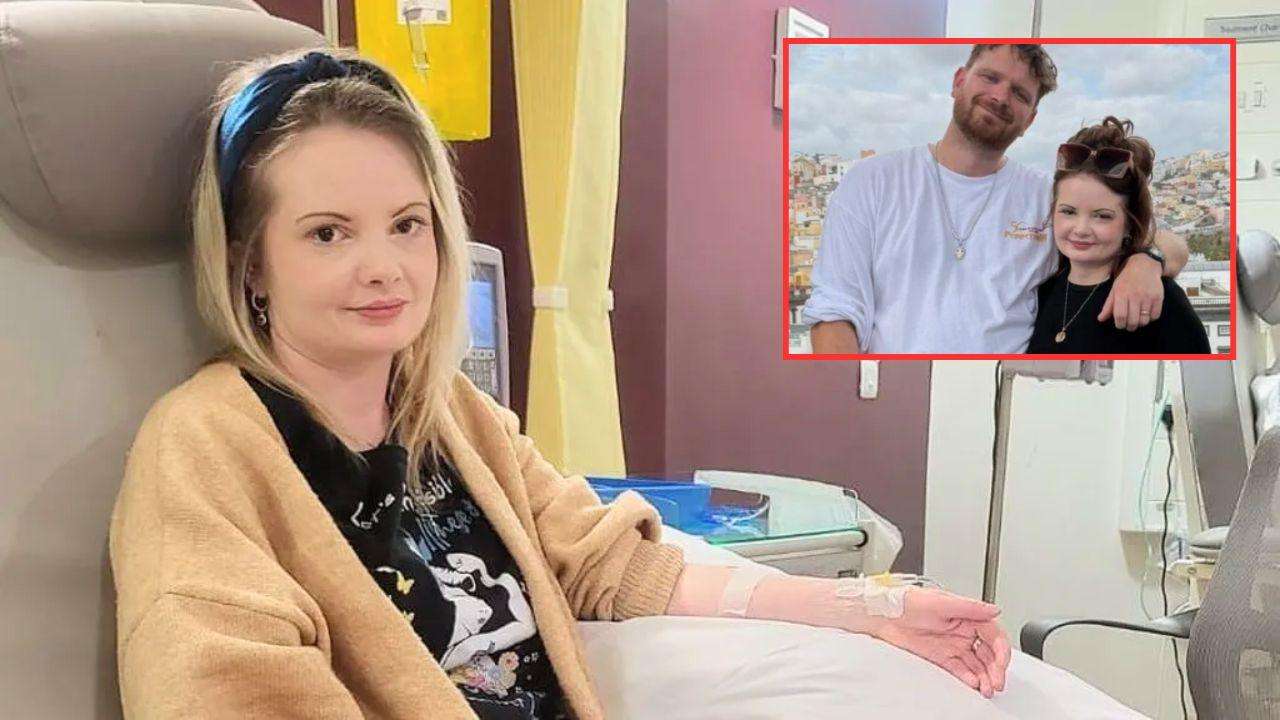
A cancer survivor who always hoped to have children has spoken about the painful reality of entering surgical menopause at just 34 after treatment for cancer affected her ability to become pregnant.
Gemma Coleman, who was diagnosed with two separate cancers affecting her ovary and womb in 2022, was told she would not be able to have children naturally after undergoing two major operations.
The 37-year-old, from Turton in Lancashire, said receiving her diagnosis initially felt like a "death sentence". However, she now wants to highlight that surviving cancer is only one part of the journey and that patients can continue to face significant physical and emotional challenges long after treatment ends.
"You have to learn to live with the long-term physical and emotional impact of treatment," she said.
Gemma underwent extensive surgery that included the removal of her ovaries, womb and fallopian tubes, as well as lymph nodes and affected tissue in her abdomen. She then went through eight months of chemotherapy as part of her cancer treatment.
Now three years into remission, Gemma continues to undergo regular scans and blood tests to monitor her health. She is also dealing with lasting effects from her treatment, including chronic pain, severe tiredness, weakened bones and fibrosis.
Although people often describe her as an inspiration, Gemma said that her experience was much more difficult than it appeared from the outside. She explained that while she tried to remain strong and appear brave, she was privately struggling with the emotional impact of everything she had been through.
Her diagnosis and treatment dramatically changed her life. Gemma said she and her husband, Jak, 39, had always dreamed of having children, making the loss of that possibility particularly painful.
"We always dreamed of having children. Having that choice taken away was heartbreaking," she said.
The couple now hopes that adoption could allow them to become parents in the future when Gemma's health is strong enough.
"We're hoping that one day, when my health allows, we'll be able to adopt," she said.
Gemma has also welcomed a new £2.5 million Cancer Research UK grant supporting the next stage of research into ovarian cancer. The programme aims to help researchers develop more effective treatment options for women diagnosed with the disease.
She said continued research gives cancer survivors hope that future patients may face more effective treatments and less fear surrounding the disease.
The five-year grant will support the next phase of a research programme led by Professor Stephen Taylor at the University of Manchester and based at the Manchester Cancer Research Centre.
Professor Taylor said his laboratory has the world's largest collection of living ovarian cancer cell cultures of its kind. Researchers are studying how ovarian cancers develop and respond to different treatments in an effort to identify weaknesses that could eventually be targeted with new medicines.
He said the research could help scientists move closer to developing more personalised treatments for women with ovarian cancer, with each new discovery potentially contributing to better care and outcomes for patients.