




.svg)
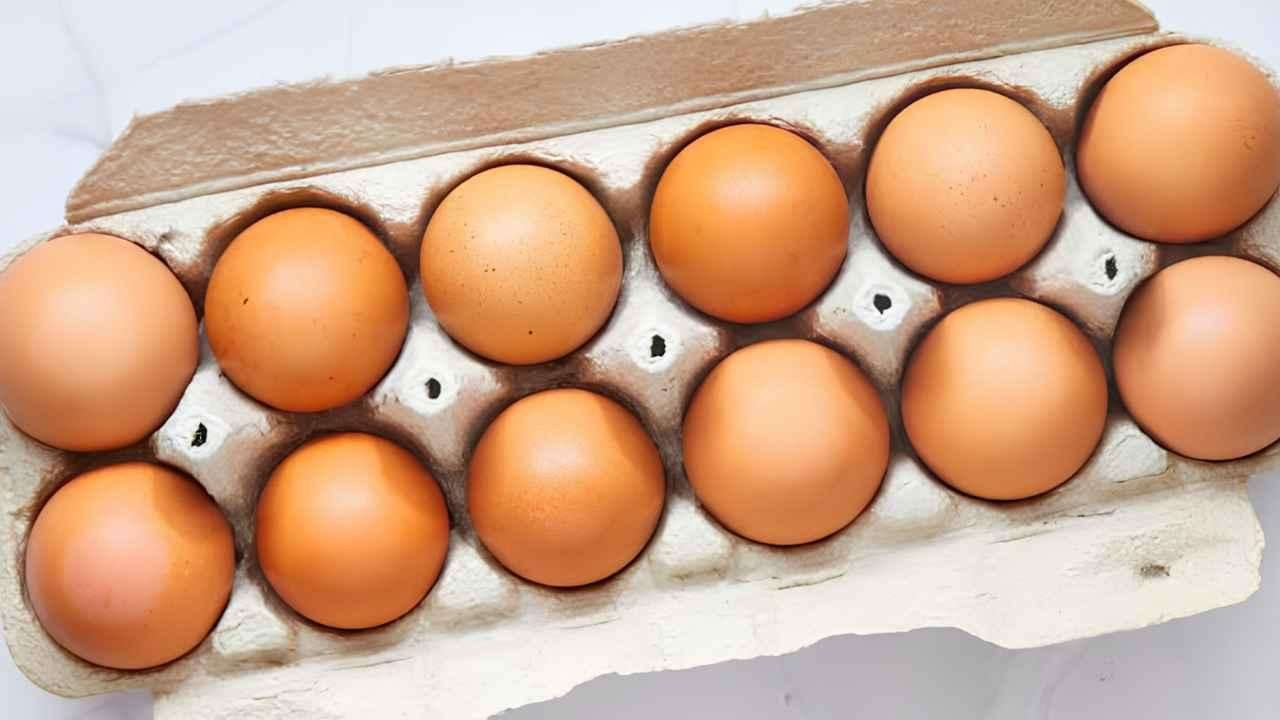
A salmonella outbreak linked to contaminated imported eggs has infected 207 people across the UK, killed one person and left 34 others needing hospital treatment, prompting renewed questions over whether eggs remain safe to eat. The UK Health Security Agency (UKHSA) has identified eggs imported into Britain and served in cafes and restaurants as the source of the outbreak, according to information reported on 18 August 2026.
The outbreak has raised understandable concerns among consumers, particularly those who regularly eat eggs outside the home. However, food safety experts say the latest incident does not mean people should stop eating eggs altogether. Instead, consumers should pay attention to where eggs come from, how they are handled and whether they are cooked thoroughly.
What is salmonella and how does it spread?
Salmonella refers to a large group of bacteria capable of causing infection in humans. More than 2,500 types of salmonella bacteria have been identified, although only a relatively small number are responsible for most human infections in the UK.
The bacteria are commonly associated with contaminated animal products, including eggs, poultry, meat and dairy products. Previous outbreaks have also been linked to foods such as chocolate, peanut butter and cucumbers.
Salmonella can reach people through contaminated food or water, contact with infected animals, person-to-person transmission and inadequate food hygiene. Cross-contamination is an important risk, particularly when raw or contaminated ingredients come into contact with cooked food.
The bacteria can also multiply when food is stored incorrectly. Thorough cooking remains one of the most important safeguards because sufficient heat can destroy salmonella bacteria.
What symptoms does salmonella cause?
Salmonella usually causes gastroenteritis, an infection affecting the digestive system. Common symptoms include diarrhoea, abdominal pain, vomiting and fever. Some people may also experience pronounced tiredness and muscle or joint pain.
Symptoms can develop within hours or several days after infection, depending on the individual and the amount of bacteria consumed.
'Sexually obsessed' stepfather found guilty of murdering student after strangling her at university
Most otherwise healthy people recover without specific treatment. However, severe infections can require medical attention and, in some circumstances, antibiotics. The greatest concern arises when salmonella escapes the digestive system and enters the bloodstream, potentially causing a serious systemic infection.
That risk is particularly important for vulnerable groups, including young children, older people, people with weakened immune systems and those living with certain underlying health conditions.
Why can salmonella become dangerous?
Salmonella is often regarded simply as a cause of short-term food poisoning, but severe infections can be considerably more serious.
When bacteria enter the bloodstream, they can cause an invasive infection capable of producing a sepsis-like illness. The risk of serious complications is influenced partly by the body's immune response.
Children and older adults can be more vulnerable to severe disease, while people undergoing treatments that suppress the immune system may face a greater risk of complications.
The current UK outbreak illustrates why foodborne infections continue to require careful monitoring even in countries with established food safety controls.
Should people stop eating eggs?
For most consumers, the answer is no.
The Food Standards Agency (FSA) continues to provide detailed guidance on the safe purchase, storage, handling and preparation of eggs. Its updated catering guidance, published on 14 August 2026, advises businesses to obtain eggs from reputable suppliers, reject damaged or dirty eggs and take particular care when preparing raw or lightly cooked egg dishes.
UK-produced eggs carrying recognised assurance marks provide additional safeguards. The British Lion scheme includes vaccination of hens against Salmonella Enteritidis and Salmonella Typhimurium, traceability measures, hygiene controls and additional testing. FSA material states that nearly 90% of UK eggs are produced under assurances required by the Lion Code scheme.
Consumers should also avoid using cracked or visibly contaminated eggs. Washing dirty eggs before use is not recommended because it can increase the risk of bacteria being transferred through the shell.
How should eggs be cooked safely?
Thorough cooking remains a straightforward way to reduce salmonella risk.
The safest approach is to cook eggs and dishes containing eggs until both the white and yolk are firm. For foods where a temperature can be measured, cooking to around 71°C provides an additional food-safety safeguard.
Extra care is appropriate when preparing food for people who may be particularly vulnerable to severe salmonella infection. The FSA advises caterers to consider pasteurised egg products, Lion Code eggs or Laid in Britain assured eggs when serving vulnerable consumers.
The agency also recommends careful refrigeration, good hygiene and avoiding eggs beyond their best-before dates.
What does the outbreak mean for consumers?
The discovery of a common source does not mean that all eggs currently sold in Britain are contaminated. Nor does it mean consumers need to remove eggs from their diets.
Instead, the outbreak highlights the importance of food traceability and controls across international supply chains, particularly when imported ingredients are used by restaurants, cafes and other food businesses.
Daily Dazzling Dawn understands that UK food safety authorities continue to monitor salmonella and foodborne disease through established surveillance and control systems. The UKHSA publishes regular surveillance information on notifiable infectious diseases, while the FSA maintains food safety guidance and recall information.
For consumers, the central message is one of caution rather than alarm: choose eggs from reputable sources, handle them hygienically, avoid damaged eggs and cook them properly. Anyone who develops significant symptoms after suspected food poisoning, particularly a persistent fever, severe diarrhoea, dehydration or signs of a serious infection, should seek medical advice.
Why consumers should remain informed, not alarmed
Britain's egg safety system has been strengthened through vaccination, traceability, testing and tighter controls following previous salmonella incidents. The safeguards substantially reduce risk, although no food production system can eliminate it completely.
The latest outbreak is therefore a reminder that salmonella remains a genuine public-health concern, rather than evidence that eggs as a food are inherently unsafe.
For most people, properly sourced, stored and cooked eggs remain part of a normal diet. The priority is to understand the risks and follow established food-safety advice while health authorities continue investigating and monitoring the outbreak.