




.svg)
The UK government has told TikTok and other social media platforms to remove videos that glorify dangerous driving following the fatal A66 crash near Middlesbrough that killed seven people, including two Cleveland Police officers. The demand was issued as concerns grew over online videos allegedly encouraging motorists to drive the wrong way along roads for views, attention and financial rewards.
Defence Minister Luke Pollard said on Monday 24 August that social media companies should act immediately while police continue investigating the circumstances surrounding the A66 collision in South Bank, near Middlesbrough.
The government has warned that platforms could face enforcement under the Online Safety Act if they fail to tackle content that promotes or celebrates dangerous driving.
Speaking to BBC Radio 5 Live, Pollard said the government had already communicated with social media companies hosting material that celebrates dangerous behaviour on Britain's roads.
He said police needed time to establish the facts surrounding the crash, but argued that action could be taken online immediately to reduce the risk of similar behaviour being encouraged.
Pollard said platforms should remove material that celebrates dangerous driving rather than allowing videos to attract large audiences and potentially create financial incentives for people to produce increasingly risky content.
Daily Dazzling Dawn understands that the government's intervention is focused particularly on videos depicting vehicles being driven on the wrong side of roads or motorways, a trend that has attracted renewed scrutiny following fatal collisions in both Britain and Ireland.
The minister also challenged social media companies to demonstrate that they can enforce their own rules effectively, rather than relying solely on government regulation.
Seven people died after a Volkswagen Passat travelling in the wrong direction on the A66 collided with a Cleveland Police vehicle near South Bank, close to Middlesbrough, in the early hours of Saturday.
Two police officers were among those killed. The deaths have prompted tributes from colleagues and members of the local community, while investigators continue to establish precisely what happened before the collision.
Reports have also emerged suggesting that at least one of the young men who died had previously appeared in social media videos involving dangerous driving. Those claims form part of the wider discussion about whether online trends are encouraging motorists to take increasingly serious risks on public roads.
Police investigations remain ongoing, and allegations about individual involvement in online content should not be treated as established facts unless confirmed by investigators.
The government’s intervention therefore comes at a sensitive stage, with ministers seeking to address potentially harmful online behaviour without prejudicing criminal investigations or prematurely attributing responsibility.
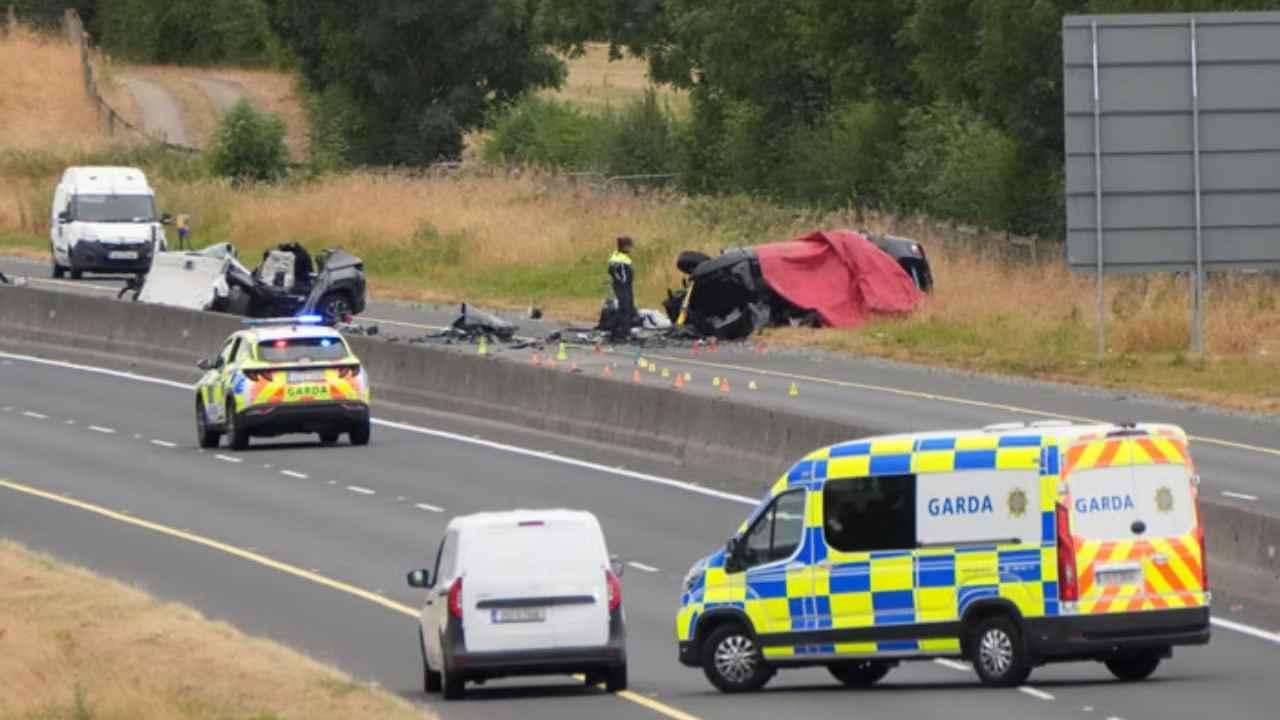
The political pressure on social media companies has also been heightened by a separate fatal crash in County Kildare, Ireland.
Five teenagers were killed and four other people were seriously injured when two vehicles collided on the M9 motorway on 16 August. One vehicle was travelling in the wrong direction when the head-on collision occurred.
Ireland's Garda Commissioner Justin Kelly subsequently raised concerns about motorists driving on the wrong side of motorways for social media attention. His comments brought renewed attention to online videos that appear to celebrate extreme driving behaviour.
TikTok declined an invitation to appear before an Irish parliamentary committee examining the issue, citing the ongoing police investigation, according to RTÉ.
The developments have placed greater pressure on technology companies to demonstrate how effectively their moderation systems identify and remove material that could encourage dangerous real-world behaviour.
The latest UK intervention comes while TikTok is already facing an investigation by Ofcom, the UK's communications and online safety regulator.
Ofcom launched an investigation in July into TikTok's compliance with its child-safety duties under the Online Safety Act. The regulator has said platforms must protect children from harmful material, including content associated with dangerous challenges.
An Ofcom spokesperson said the regulator would take action if evidence showed companies were failing to meet their legal responsibilities.
TikTok has maintained that its rules prohibit content capable of causing significant physical harm, including dangerous driving. The platform has also said it actively removes videos and accounts that breach its policies.
The distinction between prohibited content and material that remains visible online is now likely to face closer scrutiny. Ministers are particularly concerned about videos that may not directly instruct viewers to break the law but nevertheless portray reckless driving as entertaining, desirable or financially rewarding.
The government's intervention places renewed focus on the powers available under the Online Safety Act, which gives Ofcom regulatory authority over online platforms and imposes duties relating to illegal and harmful content.
For ministers, the immediate challenge is to ensure that dangerous driving material is removed quickly enough to prevent it from being amplified by recommendation algorithms.
For social media companies, the issue is whether existing moderation policies are capable of identifying rapidly spreading trends before they result in further harm.
Daily Dazzling Dawn understands that the government wants platforms to act voluntarily where possible, but ministers have indicated that regulatory powers remain available if companies fail to respond.
The A66 tragedy has consequently become part of a broader national debate about the relationship between social media, online attention and dangerous behaviour on Britain's roads.
While the investigation into the Middlesbrough crash continues, the government is making clear that it does not want videos glorifying reckless driving to become a source of entertainment, influence or income. The coming weeks are likely to test whether social media companies can demonstrate that their existing safeguards are capable of dealing with that challenge.

.jpg)