






.svg)
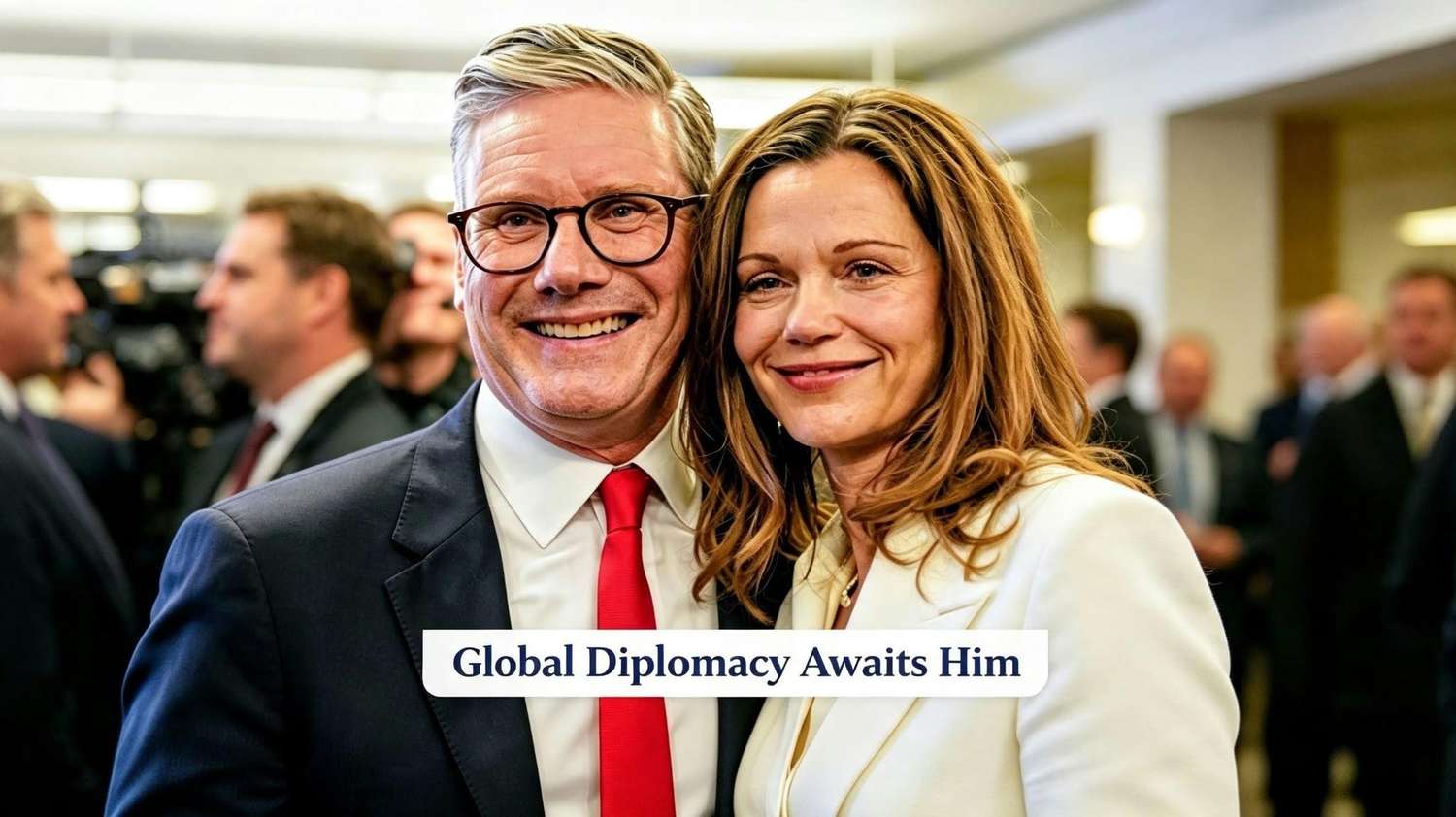
Sir Keir Starmer has formally announced his resignation as a Member of Parliament for Holborn and St Pancras, triggering a critical parliamentary by-election and marking his complete departure from front-line legislative politics in Westminster. The decision by the former Prime Minister comes just weeks after he stepped down from 10 Downing Street on 20 July following an internal leadership challenge that saw Andy Burnham take over the helm of the Labour Party and the government. While political opponents have characterised the move as an abrupt reversal of his earlier pledge to serve out the full parliamentary term, internal accounts suggest the decision stems from a deliberate recalibration towards international governance rather than a simple temporary hiatus.
Speaking to journalists in London, Sir Keir explained that he felt it was the appropriate juncture to pass the baton to a successor in North London. The former Prime Minister affirmed that his departure from the House of Commons does not signal a total withdrawal from public life, but rather a structural transition away from domestic legislative duties. Sir Keir outlined that his future endeavours will centre on global diplomacy, national security, international trade, and technological governance, alongside his long-standing commitment to combating violence against women and girls. Allies close to the former premier note that his background as Director of Public Prosecutions and his extensive foreign policy network developed during his premiership make him a leading contender for future multilateral roles, including informal discussions surrounding the post of NATO Secretary General when it becomes vacant in 2028.
Sir Keir’s parliamentary exit reflects the profound structural difficulties former prime ministers encounter when returning to the backbenches. Following his resignation as Labour leader on 22 June, shortly after Andy Burnham entered Parliament via the Makerfield by-election, Westminster figures widely anticipated friction between the previous administration and the incoming leadership. While Sir Keir maintained that he fully supported Prime Minister Andy Burnham and the governing party, staying on as a backbencher in Camden risked casting an awkward shadow over the new cabinet’s legislative agenda.
In a formal communication to local constituency members, Sir Keir reflected on his eleven years representing Camden since 2015, highlighting major local initiatives alongside his national record. He referenced his role in rebuilding the Labour Party following its historic 2019 defeat, culminating in the 411-seat landslide victory in July 2024. However, the legacy of his two years in Downing Street had become increasingly complicated by successive domestic policy reversals on public spending and welfare measures. Daily Dazzling Dawn understands that stepping away from Westminster grants Sir Keir the autonomy required to establish an independent policy institute and pursue global advisory appointments without the procedural constraints of the parliamentary whip.
The immediate consequence of Sir Keir’s departure is a high-stakes by-election in central London that presents significant logistical and political hurdles for the Labour leadership. Recent local election results across the London Borough of Camden demonstrated substantial gains for rival parties, with the Green Party picking up ten council seats amid a noticeable decline in traditional Labour majorities. Independent electoral analysts currently estimate that the governing party faces a severe challenge to retain the seat, with Green Party co-leader Zack Polanski openly considering a run in the constituency he has called home for over two decades.
Conservative Party Chairman Kevin Hollinrake publicly criticised the timing of the resignation, arguing that the former Prime Minister’s decision will impose an unnecessary financial burden on taxpayers through the organisation of an unexpected by-election. Opposition figures have seized upon the transition to scrutinise the fiscal policies of Prime Minister Andy Burnham and Chancellor John Healey, framing the upcoming ballot as a direct referendum on the current administration’s economic direction.
Rather than retiring entirely from civic life, Sir Keir is actively positioning himself for senior diplomatic and international advisory work. During his tenure as Prime Minister, he cultivated strong diplomatic alliances across Western Europe and maintained close bilateral coordination with Ukrainian President Volodymyr Zelenskyy, earning a reputation among international partners for legalistic and procedural precision.
Senior figures within diplomatic circles indicate that Sir Keir’s dual focus on global defence cooperation and the protection of vulnerable demographics positions him strategically for prominent non-governmental and intergovernmental appointments. As the race to fill his vacated parliamentary seat begins, Sir Keir’s transition away from Westminster cements the conclusion of a transformative chapter in modern British governance, redirecting his career firmly towards the international stage.




.jpg)