





.svg)
Aedes aegypti mosquitoes have been found breeding in Britain for the first time, after larvae of the invasive species were detected near residential properties in east London following a series of heatwaves. The mosquito can transmit Zika virus, dengue fever, chikungunya and yellow fever, but the UK Health Security Agency (UKHSA) says the current risk to the public remains very low and there is no evidence of locally acquired human infection.
The discovery marks a significant development in Britain's ongoing surveillance of mosquito-borne diseases. Until now, individual Aedes aegypti mosquitoes had been detected in Britain after apparently arriving from overseas, including by travelling in vehicles or luggage, but conditions had not previously allowed the species to establish a breeding population.
The UKHSA confirmed that Aedes aegypti larvae were identified in east London, close to residential properties. The larvae have since been destroyed, while enhanced surveillance and trapping operations are being carried out to determine whether any further mosquitoes or breeding sites remain in the area.
Dr Jolyon Medlock, head of zoonoses ecology at the UKHSA, said the mosquitoes are believed to have arrived accidentally rather than representing an established population.
Invasive mosquitoes can travel considerable distances by hitchhiking in vehicles, baggage and imported plants. If they encounter sufficiently warm and suitable conditions, they can survive and reproduce before authorities detect them.
Daily Dazzling Dawn understands that the latest finding is being treated as an important surveillance event rather than evidence that Aedes aegypti has become established across Britain.
The discovery comes after years of warnings that rising temperatures could alter the distribution of mosquito species across Europe. Aedes aegypti is traditionally associated with warmer climates, and Britain has historically been considered too cool for the species to survive for prolonged periods.
Dr Medlock said recent evidence of breeding, combined with the latest heatwaves, demonstrates why continued monitoring is necessary. He stressed, however, that the mosquito is not currently established in the UK and is unlikely to survive long-term under the country's typical climate.
The concern among public health specialists is what could happen if warmer conditions become more frequent. A mosquito population capable of surviving through winter would be considerably harder to eliminate once established.
Britain already operates surveillance programmes designed to detect invasive mosquito species at an early stage. Trapping and monitoring have been undertaken at potential breeding locations across areas including Kent, Cambridgeshire, the Humber, the Midlands and parts of northern England.
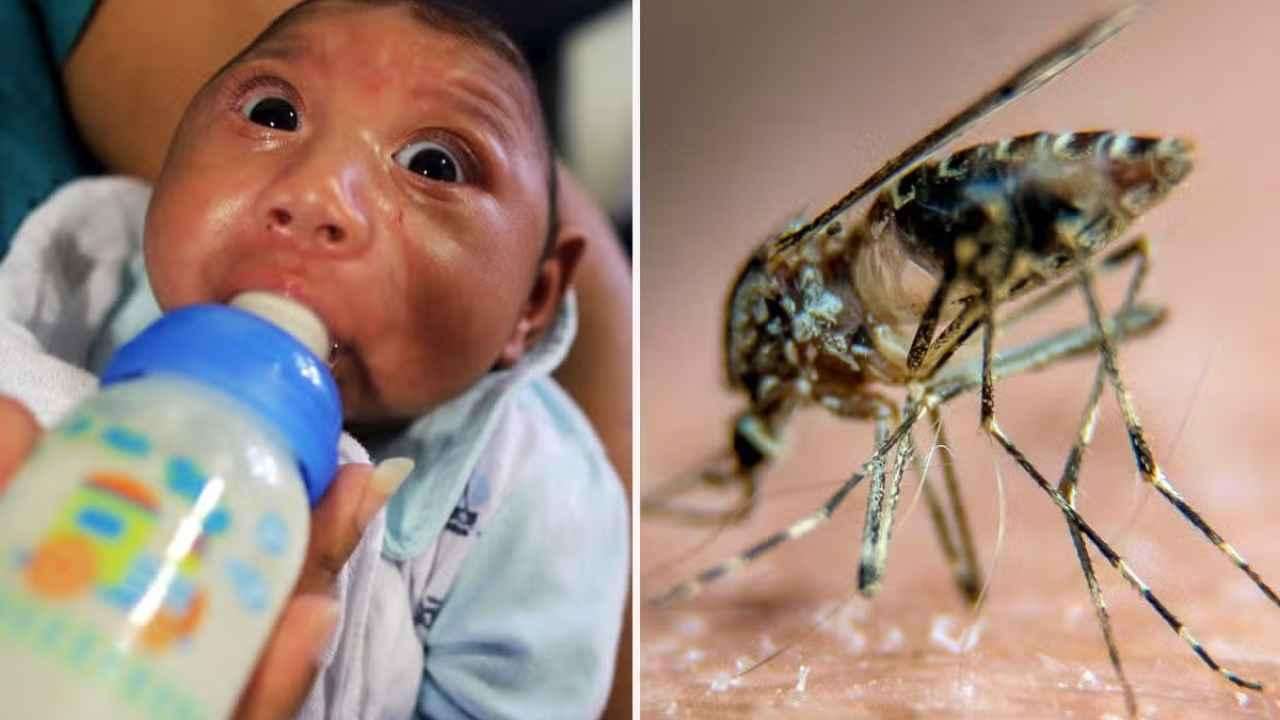
Aedes aegypti is medically important because it can transmit several viruses responsible for serious human disease. These include Zika virus, dengue, chikungunya and yellow fever.
Zika infection is particularly concerning during pregnancy because the virus can pass from a pregnant person to a developing foetus. Infection can result in congenital abnormalities, including microcephaly, in which a baby is born with an unusually small head.
Dengue can cause severe illness and, in serious cases, bleeding and organ failure. Chikungunya is commonly associated with fever and intense joint pain that can sometimes persist for months or longer. Yellow fever can also cause severe disease, including organ failure in the most serious cases.
Despite the range of diseases associated with Aedes aegypti, the presence of the mosquito does not itself mean that these infections are circulating in Britain.
The UKHSA has emphasised that there is currently no evidence that the mosquitoes detected in east London have transmitted disease to anyone.
Dr Medlock said the public risk from the discovery is assessed as very low because there is no evidence of human infections connected to the finding. There is also no evidence, at present, that the mosquitoes or larvae have spread into nearby public areas.
The immediate response has focused on eliminating the detected larvae and increasing surveillance around the affected location. Authorities will continue trapping and monitoring mosquitoes to establish whether additional breeding has occurred.
Daily Dazzling Dawn learned that the central public health concern is therefore not an existing outbreak, but the possibility of invasive mosquito species becoming increasingly capable of surviving and breeding in Britain as climatic conditions change.
The latest discovery highlights the challenge faced by British health authorities as invasive insects continue to move into parts of Europe where they were previously uncommon.
For now, the UKHSA's assessment is clear: Aedes aegypti is not established in Britain and there is no evidence of locally acquired disease resulting from the east London detection. However, the successful development of larvae shows that suitable conditions can occur, at least temporarily.
Officials are expected to maintain enhanced surveillance in east London and continue monitoring other potential mosquito habitats around the country. The objective is to detect invasive species quickly, remove breeding sites and prevent them from establishing populations capable of surviving Britain's changing climate.