






.svg)
Travellers heading from the UK to the European Union could face renewed border queues after temporary flexibility over the bloc’s Entry/Exit System (EES) officially ends on 6 September, although industry sources expect several countries to continue easing biometric checks at busy border points to prevent disruption.
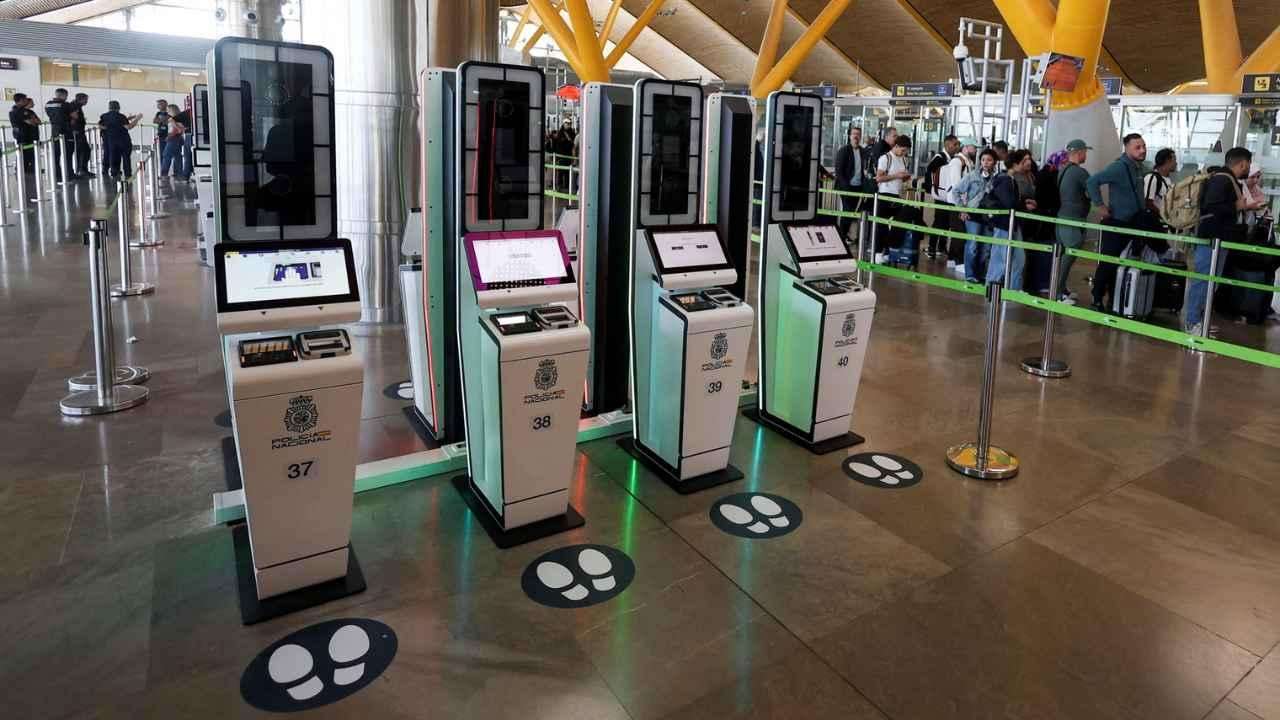
The EES is being introduced across participating EU countries to digitally record the entry and exit of non-EU nationals travelling for short stays. The system requires travellers to provide personal details and biometric information, including fingerprints and facial images, replacing the traditional practice of stamping passports.
The aviation and travel industries have warned that fully enforcing the system at busy airports and ports could create significant delays, particularly while technical infrastructure and border procedures remain inconsistent between member states.
Airlines have urged the European Commission to extend the powers allowing member states to temporarily suspend or relax EES controls when operational problems or excessive queues occur.
The International Air Transport Association (Iata) has warned that EES-related delays have already caused passengers to miss flights and connections. Thomas Reynaert, Iata’s head of external affairs, said the disruption was having a direct impact on passengers and airlines.
“These are real impacts being felt by passengers,” he said, adding that delays risk damaging confidence in Europe's border systems.
The concern is particularly significant during periods of heavy travel, when even relatively small delays at passport control can have consequences for passengers with tightly scheduled flights or onward connections.
Cross-Channel passengers travelling to France are not expected to experience a major change immediately, despite the end of the flexibility period.
'Sexually obsessed' stepfather found guilty of murdering student after strangling her at university
Technical problems affecting EES software commissioned by French authorities mean that biometric processing has not yet reached full operational capacity at several important UK-France crossing points.
At London St Pancras, Eurostar's biometric facilities remain unavailable for full EES processing. Similarly, fingerprinting kiosks installed by Eurotunnel and the Port of Dover have yet to become fully operational.
Dover has indicated that it does not expect significant changes to its procedures next week, with motorists still not routinely subjected to the new EES biometric process.
Eurotunnel said it was awaiting confirmation from the French authorities before moving into the next phase, while stressing that it was prepared to introduce full biometric checks once formal approval was given.
Eurostar has also confirmed that its phased implementation remains under way, with EES enrolments continuing to be carried out manually by border officers.
The latest developments come after concerns earlier in the summer that the introduction of stricter EES procedures could lead to severe congestion at Europe's busiest transport hubs.
Some airports experienced lengthy queues during the initial stages of implementation, with delays in certain cases lasting long enough for passengers to miss flights.
However, the peak holiday period has not produced a repeat of the worst disruption seen earlier in the year. Travel industry representatives believe that a combination of operational adjustments and relaxed enforcement of biometric requirements has helped prevent a wider crisis.
A senior airline source told journalists that carriers would continue to monitor the situation closely but did not expect Europe's busiest airports to immediately begin enforcing every EES requirement in full.
The source also indicated that some border authorities, particularly in popular holiday destinations such as Greece, had appeared to avoid routinely applying the biometric requirements to UK travellers in order to keep queues under control.
Luke Petherbridge, director of public affairs at the UK travel industry trade body Abta, said the organisation remained concerned about the uneven implementation of EES across participating countries.
Abta has been pressing the European Commission to maintain discretionary powers beyond September, arguing that the system is still some distance from operating consistently at every relevant border crossing.
Daily Dazzling Dawn understands that the travel industry remains particularly concerned about the difference between countries and individual border points. While some locations have developed procedures to manage EES enrolment, others continue to face technical or operational difficulties.
The issue is not simply the availability of biometric kiosks. Border agencies must also ensure that staff, software, passenger processing systems and physical infrastructure can operate together without creating bottlenecks.
The European Commission has declined to provide a further detailed comment on whether the flexibility period could be extended.
A Commission spokesperson said officials remained in close contact with member states where adjustments were still required at particular border crossing points.
The Commission has also indicated that additional support remains available during the operational adjustment period, particularly at locations where EES implementation is proving more difficult.
For UK travellers, the immediate picture therefore remains dependent on where they enter the EU and how individual border authorities apply the system.
The end of the formal flexibility period does not necessarily mean every crossing will suddenly begin carrying out full biometric checks. Instead, the coming weeks are expected to provide a clearer indication of how consistently EES will be enforced as participating countries move towards permanent operation.
For passengers, the practical advice remains straightforward: allow additional time for border formalities when travelling to the EU, particularly at major airports and during busy periods, as implementation continues to develop.