



.svg)
The UK Government is preparing a national campaign encouraging households to improve their readiness for emergencies ahead of the winter, as officials warn that severe weather and other disruptions could create challenges for communities.
Security Minister Dan Jarvis said the Government wanted households and communities to become more resilient and understand the practical steps they could take before an emergency occurs. The campaign is expected to highlight basic supplies, emergency contacts, escape routes and ways households can cope during disruptions such as flooding or power cuts.
The initiative comes after an official survey found that only 13% of people considered their household to be largely or totally prepared for a disaster.
The forthcoming campaign is expected to encourage people to keep essential items at home, including a torch, bottled water and non-perishable food.
Mr Jarvis said the Government wanted to give the public a clearer understanding of simple measures that could improve household preparedness and, in turn, strengthen resilience at community and national levels.
He also said the Government was working to ensure that appropriate plans and resources were available while encouraging members of the public to play their part.
The campaign has already involved thousands of members of the public. Around 5,000 people have reportedly engaged with preparedness work ahead of its planned wider launch in autumn.
The campaign comes amid discussion about the potential effects of El Niño, a naturally occurring climate pattern that can influence weather conditions around the world.
Mr Jarvis said the Government would be preparing for the winter while acknowledging that the precise weather conditions could not be known in advance.
The minister also referred to the Prime Minister's commitment to hold a wildfire summit following a difficult summer.
The relationship between El Niño and UK weather is complex, and its effects can vary depending on the wider atmospheric conditions. Rather than determining a specific outcome for Britain, El Niño can contribute to changes in broader weather patterns.
The Government's preparedness work includes examining experiences in communities that have already faced severe weather disruption.
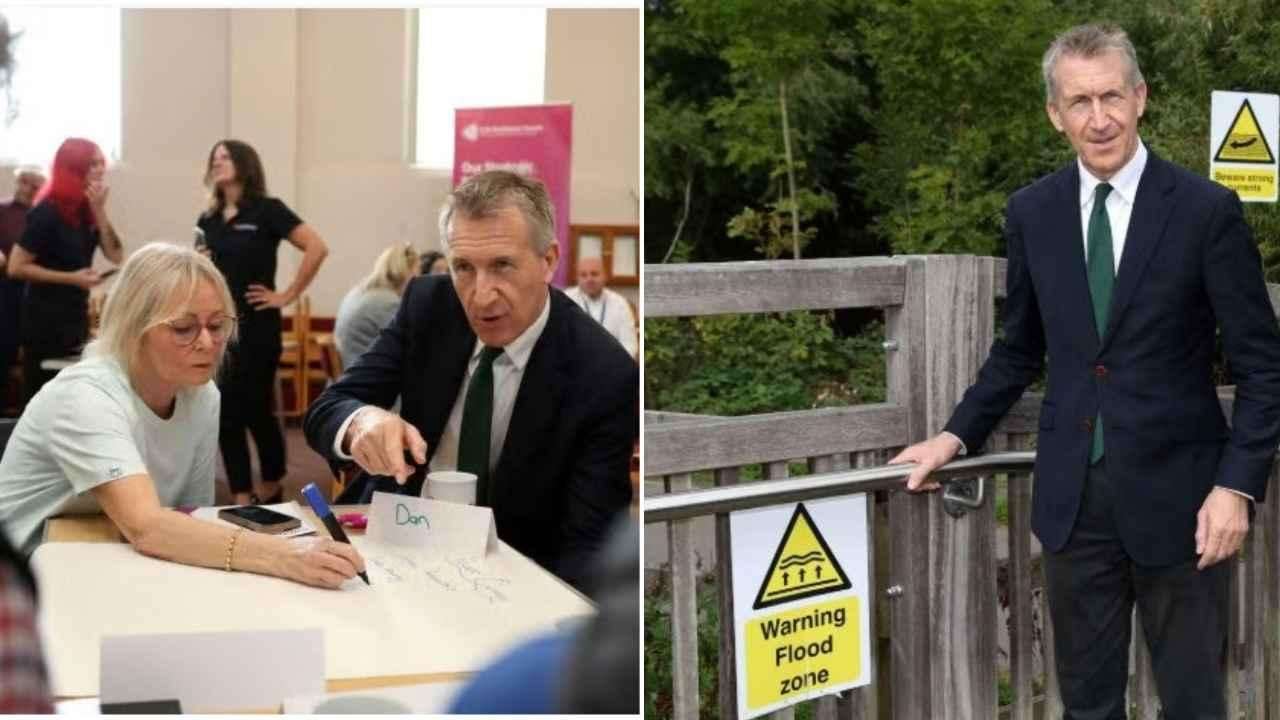
During a visit to Leicester, Mr Jarvis met residents who had experienced repeated flooding. Local people described measures they had introduced to prepare for future incidents, including flood barriers and neighbourhood WhatsApp groups.
Residents also took part in a workshop examining how households could cope if essential services were disrupted.
Questions included whether people would be able to prepare food during a power cut if household appliances such as ovens and microwaves were unavailable.
For residents who have previously experienced flooding, preparedness can involve both practical planning and knowing when to respond to official warnings.
Government guidance recommends keeping basic emergency supplies available. These can include a battery-powered or wind-up torch, spare batteries, a portable power bank and a battery or wind-up radio.
A basic first-aid kit can also be useful, along with hygiene supplies such as hand sanitiser and wet wipes.
Households are advised to keep drinking water available. The amount required will depend on household circumstances, the nature of an emergency and how long services are disrupted.
Non-perishable food that can be eaten without cooking can also help during power cuts or other disruptions. Households with babies or pets may need additional supplies, including suitable food and formula.
People who rely on medical equipment should also consider how they would keep essential equipment operating during a power interruption.
Local resilience officials have stressed that emergency preparation is not intended to alarm the public.
Mark Warden, a local resilience forum manager, said preparedness involved taking straightforward steps so people would know what to do if an unexpected disruption occurred.
He highlighted practical measures such as knowing the appropriate number to contact during a power cut, keeping important insurance documents somewhere safe and accessible, and maintaining contact with neighbours.
For communities vulnerable to flooding, knowing how to respond to weather warnings and having protective equipment ready can also reduce the disruption caused by an emergency.
The Government's campaign is expected to focus on practical household measures rather than predicting specific emergencies.
The wider objective is to improve public awareness of what individuals can do before severe weather, power disruption, flooding or other emergencies occur.
With the winter approaching, officials are encouraging households to consider their own circumstances and identify the essential supplies, information and support networks they may need if normal services are temporarily unavailable.