




.svg)
The mother of a 19-year-old motorcyclist killed by a drink-driver has criticised the possibility of his killer being transferred to an open prison only about a year into an eight-year sentence.
Aidan Venison, from West Sussex, died after his motorcycle was struck by a vehicle driven by Toby Spiring near Wisborough Green in June 2024. Spiring, who was 28 at the time, was later sentenced after admitting causing death by dangerous driving.
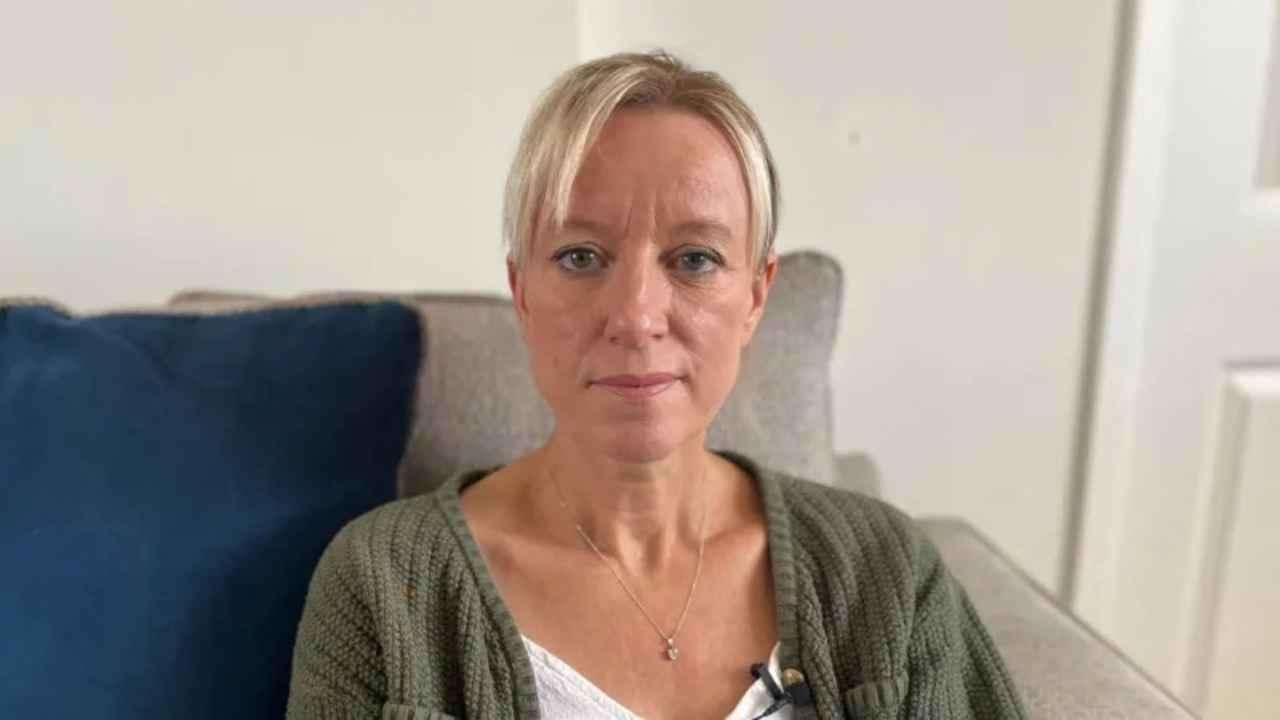
Aidan's mother, Tracy Venison, said she was shocked and deeply upset after being informed that Spiring could be considered for transfer to a lower-security Category D prison.
The move could eventually allow eligible prisoners to take part in activities outside prison under controlled arrangements, including temporary release, although a transfer does not automatically mean that such privileges will be granted.
Tracy said receiving the information about a possible transfer had left her feeling that the consequences of her son's death were not being properly reflected.
She described Aidan as an "absolute joy" and said the family continues to struggle with his death.
Tracy said she still visits her son's bedroom and speaks to him as part of her daily routine, illustrating the continuing impact his death has had on the family.
She has since become an advocate for tougher penalties for motorists convicted of causing death by dangerous driving.
Spiring, who was from Littlehampton, was found to have been more than twice the legal drink-drive limit when the collision occurred.
He had previously been convicted in July 2018 of drug-driving and driving without insurance. He received a fine and was disqualified from driving for 12 months.
Following the 2024 collision, Spiring pleaded guilty to causing death by dangerous driving and was sentenced in October 2025. He received an eight-year prison sentence and a five-year driving disqualification beginning from his release.
Tracy said the previous conviction made the latest incident particularly difficult for her family to understand.
Prisoners in England and Wales can undergo regular reviews to determine whether their security category remains appropriate. Decisions can take account of behaviour in custody, risk assessments and professional advice.
Category D prisons are the lowest-security establishments and are generally used for prisoners assessed as presenting a sufficiently low risk to be held in open conditions.
A possible move to open conditions does not itself mean that a prisoner has been released, nor does it automatically grant permission for unrestricted movement outside prison.
The Prison Reform Trust has previously explained that suitability for open conditions is separate from decisions about temporary release.
The Ministry of Justice said the circumstances surrounding Aidan's death remained in its thoughts and stressed that public protection was the priority.
An MoJ spokesperson said prisoners were only moved to lower-security conditions following a thorough risk assessment involving specialists in offender behaviour and psychology.
The department's position is that prison categorisation is based on an individual's assessed risk rather than simply the length of time they have served.
Since Aidan's death, Tracy has campaigned for tougher penalties for people who cause death by dangerous driving.
She is calling for lifetime driving bans for offenders convicted of causing a fatal collision through dangerous driving.
Her petition has attracted more than 10,000 signatures, meaning the UK Government is required to provide a formal response.
Tracy said the family would have to live with the loss of Aidan for the rest of their lives.
The possible prison transfer has therefore renewed her concerns about whether the current system adequately reflects the permanent consequences faced by families after fatal road collisions.
The case has also highlighted the distinction between a prisoner's progression through different security conditions and the separate question of when they may be eligible for release or temporary licence.
For Aidan's family, however, the central issue remains the loss of a young life and the lasting effect of the collision on those who knew him.