






.svg)
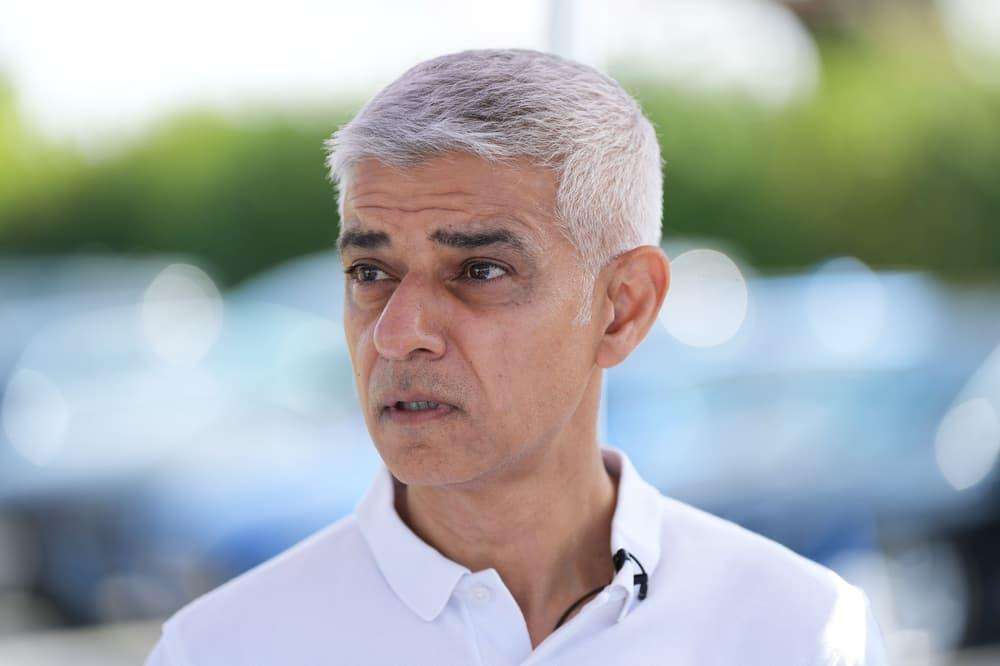
The festive period in London has been met with a cold reality for thousands of environmentally conscious motorists as Mayor Sadiq Khan officially terminates the long-standing 100% Cleaner Vehicle Discount. Effective today, December 25, 2025, the era of "free" travel into Central London for electric vehicle (EV) owners has come to an abrupt halt. While the Congestion Charge itself is suspended for Christmas Day, the legal expiration of the exemption today means that as soon as the cameras flicker back to life, over 112,000 EV drivers will be met with a bill that many claim breaks a fundamental "green" promise.
This move marks a significant pivot in City Hall's strategy, shifting from incentivizing the transition to electric power to taxing it. Critics argue that the Mayor is effectively "moving the goalposts" for those who invested thousands in expensive electric cars under the impression they would be shielded from the capital's heavy tolls. Under the new regime, the financial burden is set to intensify almost immediately. On January 2, 2026, the standard daily Congestion Charge will jump from £15 to £18. For EV owners, the best-case scenario is now a 25% discount via the Auto Pay system, resulting in a daily fee of £13.50—a cost that will escalate to over £3,000 annually for regular commuters.
The termination of the EV discount is just the latest in a series of controversial maneuvers by the Mayor that have left London's drivers feeling under siege. The city’s motoring landscape has been radically reshaped by the 2023 expansion of the Ultra Low Emission Zone (ULEZ) to the Greater London boundary, a policy that continues to spark fierce debate over its impact on low-income families and small businesses. Further compounding the frustration is the recent introduction of tolls on the Blackwall Tunnel—historically free since 1897—alongside the newly opened Silvertown Tunnel. These combined charges mean a single cross-city journey can now cost a driver upwards of £22 in a single day.
Adding to the friction is the aggressive rollout of 20mph speed limits across the Transport for London (TfL) road network. While the Mayor maintains these measures are essential for his "Vision Zero" safety target, motoring groups and some Assembly members have hit back, claiming the reduced speeds are contributing to gridlock and hindering the efficiency of London's bus network. The Mayor’s critics suggest these policies are less about air quality and more about plugging a multi-billion-pound hole in TfL’s post-pandemic finances, which have been heavily reliant on government bailouts and increased enforcement revenue.
Data from TfL suggests that without these new charges, the Congestion Charge zone would see an additional 2,200 vehicles per day, potentially paralyzing the city's heart. However, for the 112,000 drivers currently registered for the discount, the logic feels like a betrayal. Industry experts warn that removing the exemption, combined with the loss of the "luxury car tax" exemption for EVs, could significantly dampen the uptake of cleaner vehicles at a critical moment for the UK’s net-zero targets. As the new tiered system takes hold, the financial gap between running a petrol car and an electric one in London has never been narrower.
The future looks even leaner for London's motorists. By March 2030, the EV discount is scheduled to be slashed further to just 12.5%, effectively phasing out the financial benefits of "going green" in the capital entirely. For now, the immediate focus remains on the January price hike, which will see the penalty for missing a payment soar to £270. As London enters 2026, the message from City Hall appears clear: the road is open, but the price of entry has never been higher.