.jpg)






.svg)
The golden age of affordable flight has transformed into a strategic minefield of hidden costs and psychological pricing that is fundamentally altering the global aviation landscape.
The Great Transatlantic Disruption
The traditional aviation model, once dominated by legacy carriers offering all-inclusive comfort, has been dismantled by the aggressive expansion of low-cost carriers (LCCs). This shift is no longer confined to short European hops; it has aggressively saturated the United States domestic market. Budget giants like Spirit and Frontier have forced industry titans such as Delta and United to unbundle their services, creating a "basic economy" tier that mirrors the budget model. As these airlines expand their reach, the very definition of a "standard" flight has changed from a service-oriented journey to a transactional transport of human cargo.
The Hidden Toll of the Five Pound Fare
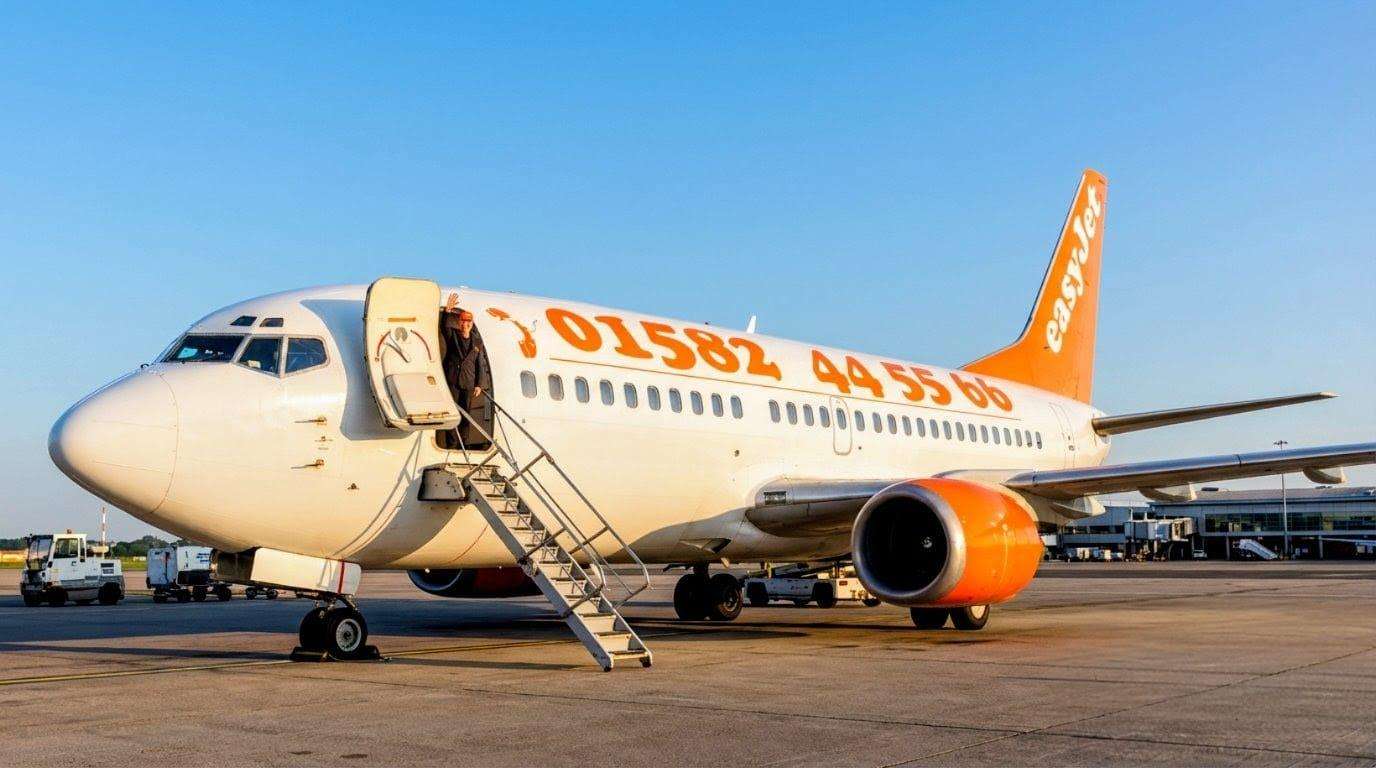
The illusion of the ultra-low fare has recently come under intense legal and regulatory scrutiny, highlighted by the UK’s Advertising Standards Authority warning EasyJet over its "misleading" marketing of a £5.99 cabin bag fee. While the headline price suggests a bargain, the reality is a complex "drip-pricing" architecture where the final cost often rivals traditional carriers. Passengers frequently find themselves trapped in a cycle of frustration, facing unexpected charges at the boarding gate that can exceed the original ticket price. This predatory pricing model relies on the customer's inability to navigate a labyrinth of digital add-ons, turning what should be a simple booking into a high-stakes financial gamble.
The Profit Paradox and the Service Deficit
Budget airlines currently maximize revenue through ancillary streams—charging for seat selection, priority boarding, and even water—yet this focus on nickel-and-diming has created a massive service deficit. To achieve long-term sustainability and higher profit margins, these carriers must pivot toward a "Value-Added Reliability" model. Instead of profiting from customer mistakes and penalties, airlines could unlock premium revenue by offering modular service bundles that prioritize passenger dignity. By investing in proactive communication tools and guaranteed connection protection, budget airlines could capture the lucrative mid-tier business traveler who currently avoids LCCs due to the high risk of uncompensated delays and poor service recovery.
The Human Cost of Efficiency
For the modern traveler, the rise of budget aviation has been a double-edged sword that offers geographic freedom at the expense of mental well-being. The "sufferance model" of modern flight—characterized by reduced legroom, absent customer support, and punitive luggage policies—has led to record levels of passenger dissatisfaction. As regulators begin to crack down on deceptive pricing, the industry faces a reckoning. The future of flight will not be won by those who find the most creative ways to hide fees, but by the innovators who can marry the low-cost operational structure with a transparent, humane customer experience that respects the traveler's time and wallet.

.jpg)