

.svg)
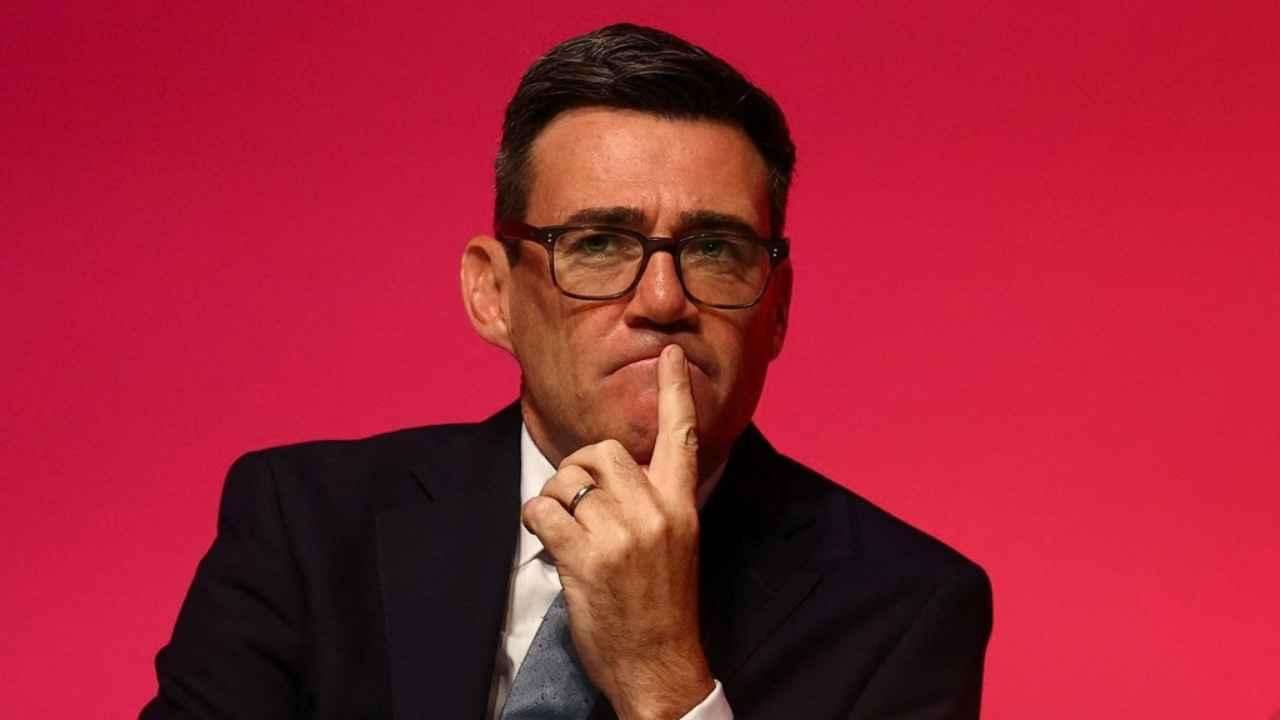
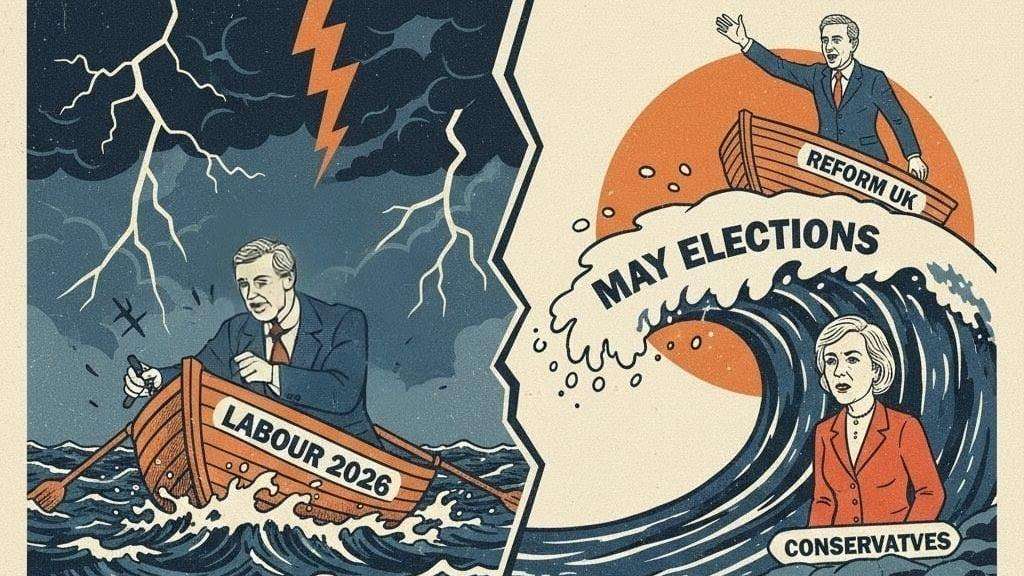
Prime Minister Sir Keir Starmer has entered 2026 with a high-stakes gamble, promising a weary British public that "things will get better" while his administration fights for its very survival. As the government grapples with plummeting approval ratings and internal dissent, the political landscape is shifting toward a monumental confrontation in the upcoming May elections. With Reform UK surging in the polls and the Conservatives under Kemi Badenoch seeking a resurgence, the next twelve months will determine whether the Labour project can withstand the most turbulent period of its young tenure.
The Survival Strategy of a Besieged Prime Minister
In a New Year’s message designed to project resilience, Sir Keir Starmer pivoted toward a narrative of long-term recovery. Acknowledging that the UK has endured a grueling cost-of-living crisis and stagnant growth, he insisted that the difficult fiscal choices made in 2025—including tens of billions in tax increases—will finally begin to yield tangible results. The Prime Minister’s roadmap for 2026 focuses on reducing energy bills, cutting childcare costs, and deploying more police on the streets. However, the data paints a challenging picture: NHS waiting lists remain stubbornly high at over 7 million cases, and unemployment has begun a concerning upward trend.
The core of Starmer’s survival plan rests on a "hope restored" campaign. By framing 2026 as the year the public begins to "feel" positive change, he is attempting to buy time from his increasingly restless backbenchers. Labour MPs, particularly in London and northern hubs, are reportedly concerned that the party’s historical hegemony is evaporating. Internal polling suggests that if the May local elections result in a "drubbing" similar to the losses seen in 2025, a move to oust the Prime Minister could transition from hushed whispers to an open leadership challenge.
The Fragmented Front: Reform UK and the Opposition Surge
While Labour attempts to stay the course, the political opposition has moved into a predatory stance. Nigel Farage and Reform UK have emerged as the primary disruptors, currently leading in several national polls. Farage’s New Year message was a direct broadside against the Westminster establishment, promising a fundamental overhaul of the British system of government. After securing 677 council seats and majorities in ten councils in 2025, Reform UK is targeting the May 7 elections as a springboard to power, positioning itself as the "last chance" to restore traditional values of family and country.
Simultaneously, Conservative leader Kemi Badenoch is navigating a narrow path to relevance. Her strategy involves highlighting the stagnation of growth and record-high taxes under the current government while fending off the threat from the right. Badenoch has urged voters to "vote for the change they want," though her party continues to lose ground to Reform UK and the Liberal Democrats in key battlegrounds. Sir Ed Davey’s Liberal Democrats are also carving out a distinct niche, vowing to act as a "Reform fighting machine" and promising to protect the UK from the influence of "Trump’s America" and "Farage’s Britain."
The May 7 Pivot: A New Political Geography
The upcoming elections for the Scottish Parliament, the Welsh Senedd, and English local councils represent a "Great Reset" in British governance. For the first time since devolution, Labour faces the genuine prospect of being sent into opposition in Wales, where Plaid Cymru and Reform UK are making significant inroads. In Scotland, the SNP remains a dominant force, capitalizing on anti-Westminster sentiment to deflect from its own governance challenges.
Experts suggest that the May 2026 results will act as a proxy referendum on Starmer’s competence. If the "centrifugal forces" of British politics continue to pull voters toward insurgent parties, the Prime Minister may find himself without a mandate to govern. As the UK moves further into 2026, the question is no longer just whether things will get better, but whether Starmer will be the one in Downing Street to see them through. The next few months of economic delivery and electoral maneuvering will provide the final answer to whether this administration can navigate the most volatile era in modern political history.

.jpg)