




.svg)
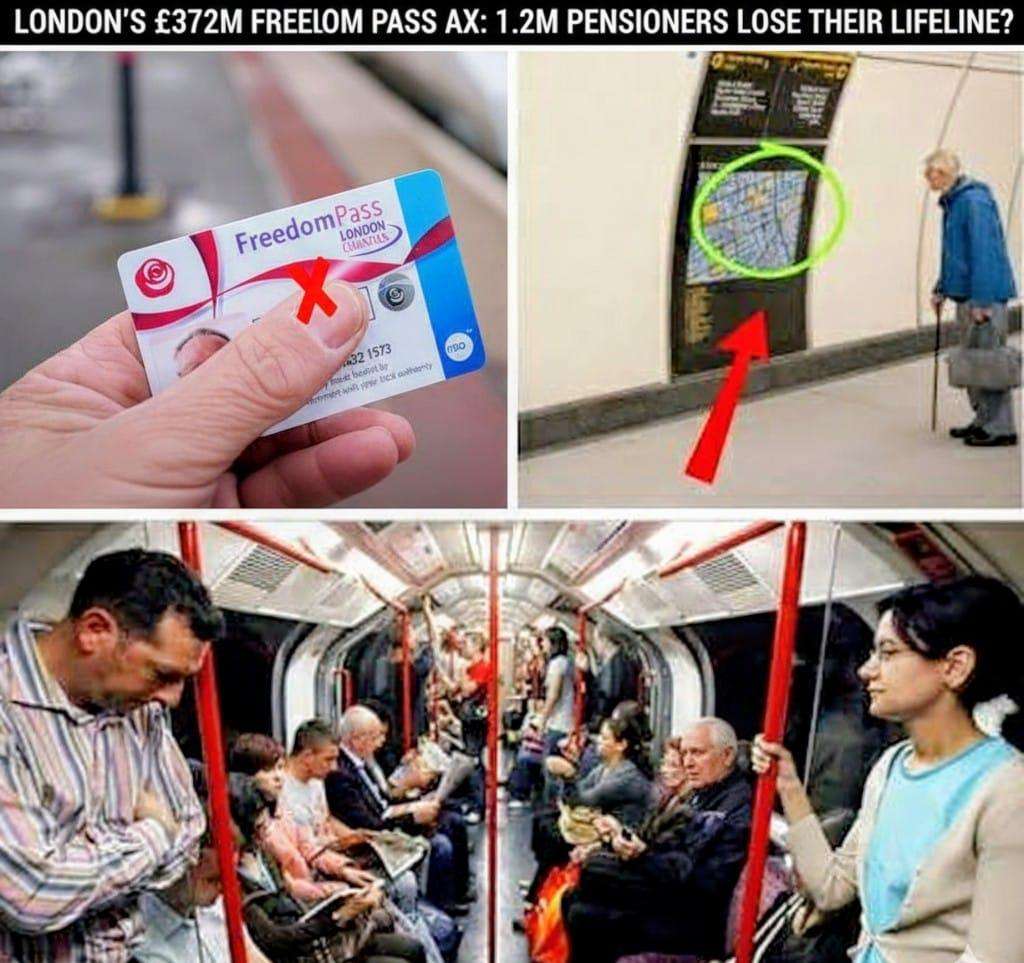
The heartbeat of London’s social fabric is facing an unprecedented threat. For over half a century, the Freedom Pass has been more than just a plastic card; it has been a literal lifeline for the city’s most vulnerable residents. However, as we enter 2026, a "fiscal friction" has ignited a fierce debate. London Councils, representing all 33 boroughs, is grappling with a projected 12% surge in costs, pushing the annual bill to a staggering £372 million. With a major review now underway, the question remains: is the price of freedom too high for the government, or is the cost of isolation too high for the people?
The 1973 Legacy: How the Freedom Pass Revolutionized London
The story of the Freedom Pass began on September 23, 1973. Launched by the Greater London Council (GLC) under the leadership of Sir Reg Goodwin, it was a radical social experiment born out of the "Homes Before Roads" movement. Originally designed to protect pensioners from the rising costs of living following the 1973 oil crisis, it initially covered only buses. Over the decades, it evolved into the gold standard of urban mobility, expanding to include the Tube, London Overground, DLR, and even National Rail services within Greater London. Today, it serves as a global model for how a city can respect its elders and support its disabled citizens, yet that very legacy is now on the chopping block.
The Human Toll: 1.2 Million Lives at a Breaking Point
If the government were to halt or severely curtail the Freedom Pass, the impact would be seismic. Currently, 1,210,238 Londoners rely on this pass. This includes nearly 1 million older Londoners and over 178,000 disabled residents. Data suggests that in the 2026/2027 financial year alone, these pass holders are expected to make 279 million journeys.
Without the pass, the social and economic consequences are chilling. Experts warn of a "Social Isolation Crisis." For many, the pass is the only way to reach hospital appointments, visit family, or perform essential volunteer work. Curtailing free travel would effectively "house arrest" a generation of Londoners who have contributed their entire lives to the city's prosperity. The mental health impact alone could cost the NHS millions more than the pass itself saves.
The Parking Fine Paradox: Funding Freedom with Fines
The financial mechanics of the Freedom Pass reveal a startling irony. The scheme is largely funded by the 33 London boroughs using revenue generated from Penalty Charge Notices (PCNs)—specifically parking tickets and traffic fines.
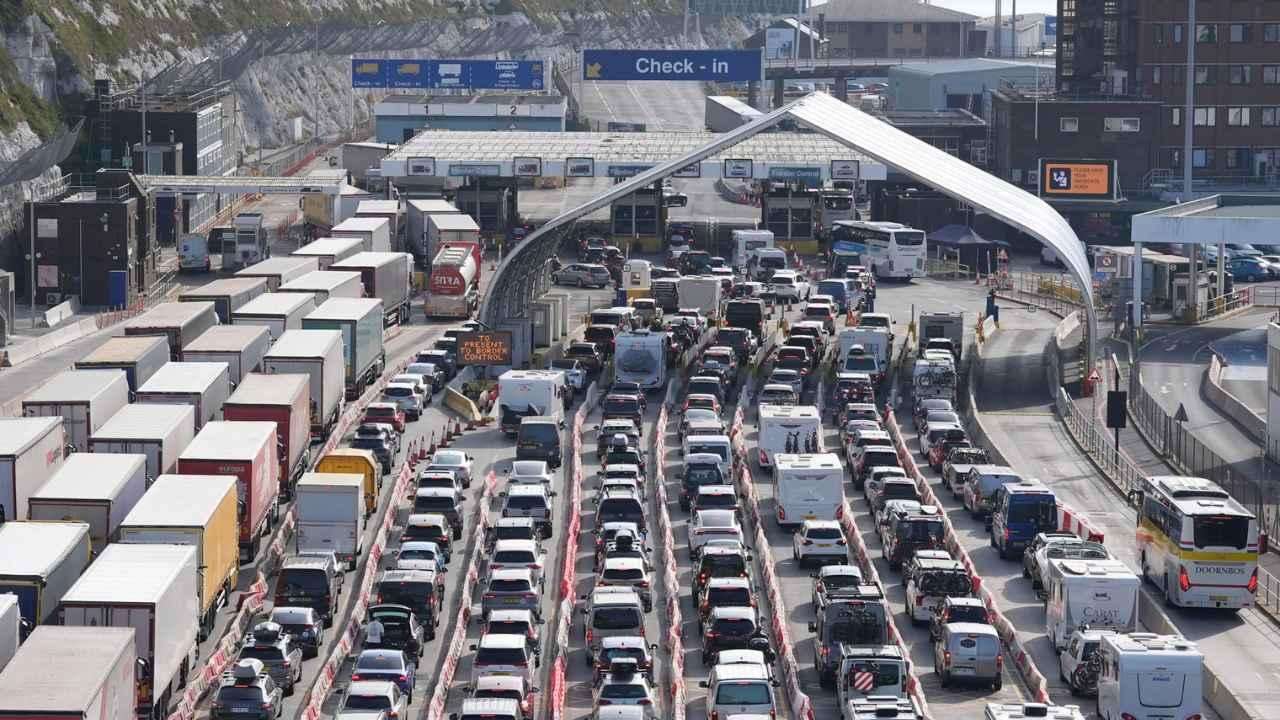
Millions of UK Holidaymakers Face Delays as Pressure Mounts to Pause EU Entry and Exit System
To put the £372 million cost into perspective, London issued a record-breaking 9.4 million parking-related fines last year. With the average fine in London being roughly £130 (reduced to £65 if paid early), the government would need to issue approximately 5.7 million parking tickets annually just to break even on the Freedom Pass costs. Essentially, the mobility of the elderly is currently being paid for by the mistakes of the city's motorists. As boroughs face "considerable pressure," the reliance on this volatile income stream has made the Freedom Pass a primary target for budget hawks.
The Economic Domino Effect: Why Cutting the Pass is a Losing Game
Proponents of the cuts argue that shifting the Freedom Pass to a "bus-only" model could save between £100 million and £148 million per year. However, this narrow view ignores the broader economic contribution of pass holders. Older Londoners are a vital part of the "Grey Economy," spending money in local shops, attending cultural events, and providing unpaid childcare for working parents.
Furthermore, the Elizabeth Line has inadvertently increased the fiscal burden. Because it is classified as a rail service with higher reimbursement rates, every time a pensioner chooses the "Lizzie Line" over a bus, the cost to the local borough rises. Yet, forcing disabled and elderly passengers off the accessible Tube network and back onto congested buses is seen by many campaigners as a "cruel" and regressive step that undermines decades of progress in urban accessibility.
Update: 50,000 Signatures and Rising Resistance
As of mid-January 2026, a massive public backlash has coalesced into a petition that has surpassed 50,000 signatures. Led by 71-year-old Phillip Clayton, the movement highlights the growing anxiety among the 40,000 pensioners in boroughs like Harrow and the hundreds of thousands more across Croydon, Lambeth, and Havering. Age UK London has officially warned that the government has a "fight on its hands," as the review moves toward a formal consultation phase. Boroughs such as Croydon and Havering have already begun publicly resisting the proposals, arguing that the social stability of their communities depends on maintaining the current multi-modal status quo.


.jpg)
_1.jpg)